




Ford Boosts Hauling and Towing for 2005 F-350
Ford’s redesigned 2005 Super Duty pickups — due in showrooms by September — will offer greater hauling and towing capability than the current model, according to the Detroit Free Press.
Ford’s redesigned 2005 Super Duty pickups — due in showrooms by September — will offer greater hauling and towing capability than the current model, according to the Detroit Free Press. The 2005 Ford Super Duty truck can carry a maximum payload of 5,800 pounds and boasts a towing capacity of 17,000 pounds. Ford is making an electronic trailer brake controller available for 2005. The device synchronizes the vehicle’s brakes with the trailer’s brakes, providing smoother, safer stopping. A TowCommand system also gives audible and visual instrument panel warnings if trailer wiring becomes disconnected. Ford is also offering new engine choices. The 2005 Super Duty can be equipped with a 5.4-liter Triton V-8 engine or 6.8-liter Triton V-10 — each with three valves per cylinder rather than four, which improves fuel efficiency without compromising power. Some 60 percent of Ford Super Duty buyers opt for diesel engines, according to the Detroit News. For 2005, Ford is boosting performance on its 6.0-liter Power Stroke diesel by increasing the torque 10 foot-pounds to 570. A new front suspension design allows the front wheels to turn tighter, enhancing handling and reducing the vehicle’s turning radius by more than 5.5 feet.
More Operations

Gary Van Orden Retires After Nearly Four Decades in Commercial Fleet
From answering customer calls at Ford Motor Company to leading fleet sales across multiple OEMs and a fleet management company, Gary Van Orden's career reflects nearly four decades of leadership in commercial fleet.
Read More →
How Stellantis Plans to Get Ahead of Fleet Downtime
Vehicle acquisition may grab the headlines, but fleet uptime increasingly determines operating success. Darren Bradshaw of Mopar North America gives the details.
Read More →
Hyundai Releases 2027 Commercial Program Incentives
The 2027 Model Year "Fleet Street Incentives" are available to commercial and government fleets.
Read More →


It's All Downhill from Here! Fleet Industry Raises $22,000 for Skilled Trades Scholarships
Work Truck’s Lauren Fletcher and Automotive Fleet’s Chris Brown turned a friendly racing rivalry into $22,000 for automotive technology and skilled trades scholarships.
Read More →
The Top 300 Commercial Fleets
The Top 300 Commercial Fleets: See the List
Read More →

Your Local Dealer Knows More Than You Think
Your local dealer can provide an information advantage that extends well beyond courtesy deliveries.
Read More →
Fleet Meets: Austin Schutte
Here are some industry insights, personal touches, and words of advice from the CEO and Founder of Anew Solutions.
Read More →
Soap Box Derby Challenge: What’s Powering Team Brown
The car is coming together, the students are solving real build problems, and the fleet industry is helping push Team Brown toward the starting line.
Read More →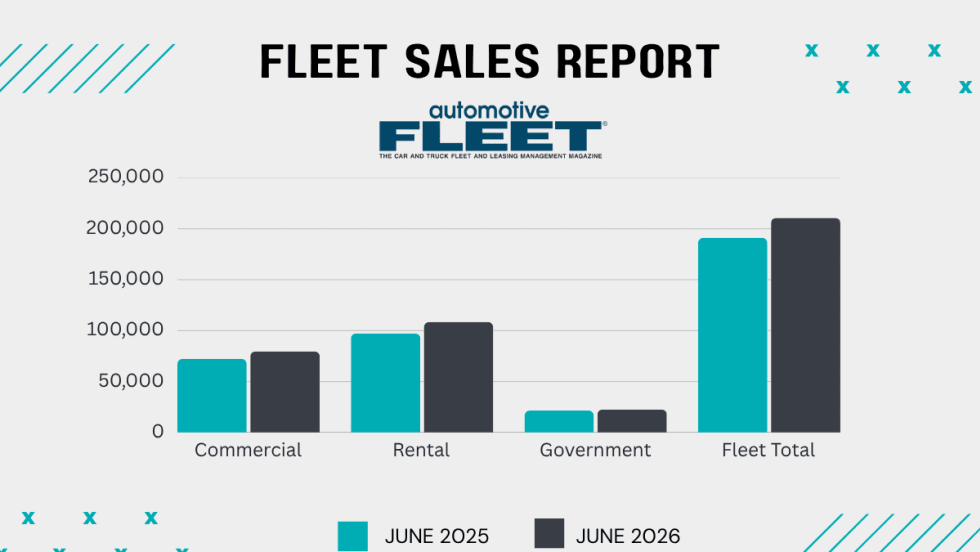
Commercial Fleet Sales Contribute To June, YTD Gains
The fleet sector has boosted its vehicle purchases at a reliable pace in the first half of this year compared with 1H 2025.
Read More →