




Ford Bolstering Flex-Fuel Vehicle Production
Ford said it plans to expand its fleet of flexible-fuel vehicles to 50 percent of vehicle production by 2012, as long as incentives continue to encourage the manufacturing, distribution and availability of renewable fuels, and the production of flexible-fuel vehicles.
Ford Motor Co. said it is delivering on its 2006 pledge to double the number of flexible-fuel vehicles produced in the U.S. by the end of 2010.
Ford produced nearly 185,000 MY 2006 flexible-fuel vehicles.
Ford said it plans to expand its fleet of flexible-fuel vehicles to 50 percent of vehicle production by 2012, as long as incentives continue to encourage the manufacturing, distribution and availability of renewable fuels, and the production of flexible-fuel vehicles.
Flexible-fuel vehicles can run on E-85 (a mixture of 85 percent ethanol and 15 percent gasoline), gasoline or any mixture of the two fuels.
Sue Cischke, Ford's group vice president for sustainability, environment and safety engineering, discussed the automaker's plans at the 2010 BIO International Convention in Chicago.
"Flexible-fuel vehicles are a great alternative for our customers because they provide owners with the option to choose between using E-85 and gasoline when filling up a car," Cischke said. "Ethanol and other biofuels also help reduce the county's dependence on imported oil."
The development and use of renewable fuels helps reduce America's dependence on imported oil. More ethanol is now produced and used in the U.S. than the amount of gasoline made from oil imported by the U.S. from Saudi Arabia and Iraq combined.
Ford currently offers 11 flexible-fuel vehicles in the U.S. They include the Ford Escape, Fusion, F-150, Crown Victoria, Expedition and E-Series; the Lincoln Navigator and Town Car; and the Mercury Milan, Grand Marquis and Mariner.
Ford said it will continue to build products capable of running on renewable fuels such as biodiesel and E-85 ethanol. This includes the new 2011 Super Duty, which is offered with two bio-fuel options, a diesel engine that operates on B-20 biodiesel or a conventional engine that operates on E-85.
"Flexible-fuel vehicles are one of the many environmental technologies Ford is providing customers," said Cischke. "In addition to biofuels, we also are working on a range of other advanced fuel-efficient technologies, including EcoBoost engines, six-speed transmissions, clean diesel and electrified vehicles."
Ford has also announced an aggressive plan to bring next-generation hybrid, plug-in hybrid and pure battery-electric vehicles to market. Ford's plan calls for five new electrified vehicles in the next three years in North America and Europe, beginning with the Transit Connect Electric, which debuts later this year in the U.S.
More Green Fleet
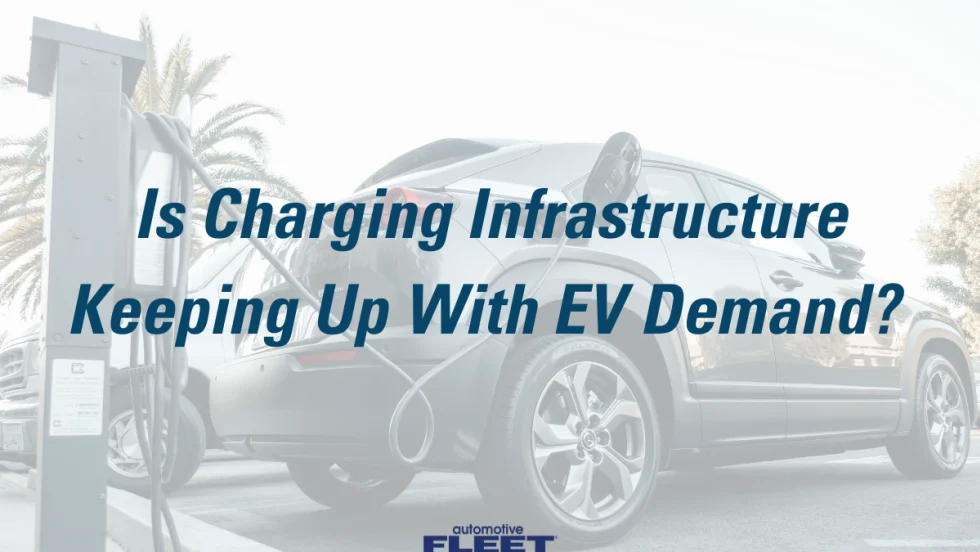
EV Charging Use Is Outpacing Infrastructure Growth
ChargePoint’s 2026 Charging Forward Report points to rising charger use, higher-powered charging, commercial vehicle electrification, and energy-management technology. Here’s what fleets should know.
Read More →
Merchants Fleet Reports 290M EV Miles as Fleets Navigate Changing Electrification Market
From millions in operating savings to hundreds of millions of EV miles, Merchants Fleet’s latest report reveals what’s working and what’s changing in fleet electrification.
Read More →
The EV Breakdown Nobody's Talking About: Why Most Electric Vehicle Roadside Calls Aren't Mechanical Failures
Here's why EV breakdowns are widely misunderstood.
Read More →
ChargePoint Now Available in Energy Pass
ChargePoint and additional planned charging network integrations were added to GM's Energy Pass.
Read More →
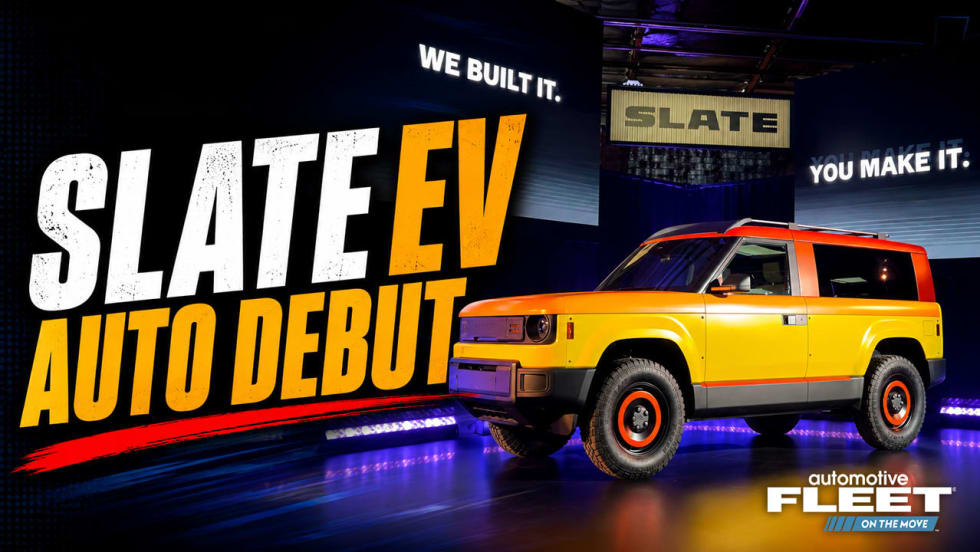
First Look: Slate Auto's Electric Fleet Pickup
Could an affordable, modular EV pickup make electrification more practical for fleets?
Read More →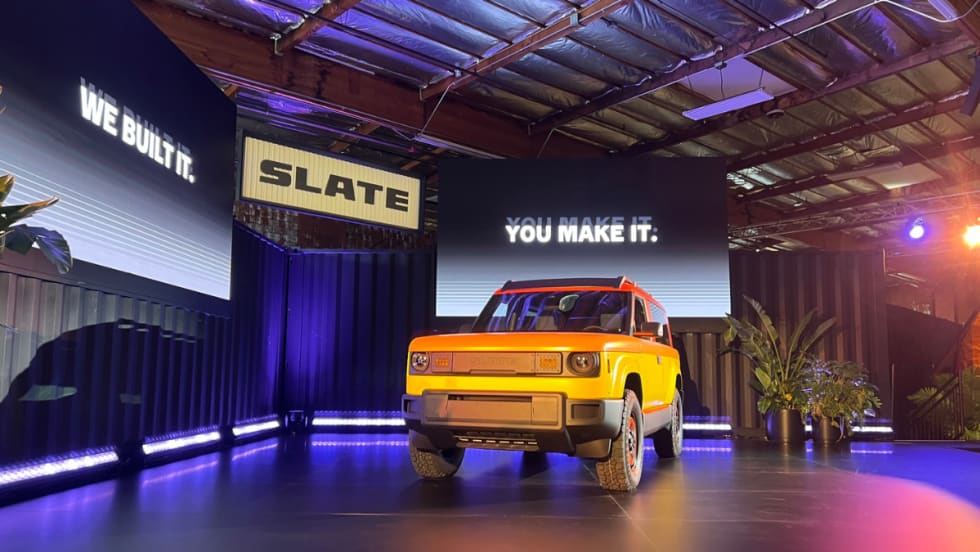
Slate Debuts Colorful, Unique EV Models
A recent media and client event, studded with electric vehicles dressed up on platforms, planted a new position for the manufacturer in the wider EV market. Fleets will find cost-saving advantages.
Read More →
Slate Electric SUV, Pickup Switchable Model Aims For Light-Duty Fleets
Everything about this EV is counterintuitive and understated, making it stand out from the crowd.
Read More →
Inspiration Mobility Acquires Key Electrada Assets
Inspiration Mobility Group has acquired select assets of Electrada, adding the fleet electrification provider's team, technology, and charging infrastructure development capabilities to its energy management business.
Read More →
Turning Connected Vehicle Data Into Decisions That Matter
Fleet leaders have more data than ever, but turning that data into clear, actionable decisions remains a challenge. This white paper shows how leading organizations are using connected vehicle data to improve safety, reduce costs, and optimize fleet performance. Learn how to turn insight into action across your fleet.
Read More →