




Ford and Dow Researching Carbon Fiber Components to Reduce Vehicle Weight
DEARBORN, MI – Ford and Dow Automotive Systems are researching the use of carbon fiber automotive components that Ford says can reduce vehicle weight by up to 750 lbs.
DEARBORN, MI – Ford and Dow Automotive Systems are researching the use of carbon fiber automotive components that Ford says can reduce vehicle weight by up to 750 lbs. This research is designed to help Ford meet upcoming fuel-economy requirements.
“There are two ways to reduce energy use in vehicles: improving the conversion efficiency of fuels to motion and reducing the amount of work that powertrains need to do,” said Paul Mascarenas, Ford chief technical officer and vice president, Research and Innovation. “Ford is tackling the conversion problem primarily through downsizing engines with EcoBoost and electrification while mass reduction and improved aerodynamics are keys to reducing the workload.”
Although carbon fiber has been used in racecars and in the aerospace industry for many years, the cost of components that use carbon fiber in mass-produced automotive systems has traditionally been cost prohibitive.
The new agreement between Dow and Ford will allow development teams from both companies to first establish an economical source of automotive-grade carbon fiber, and then to develop manufacturing methods for components that allow production of components made of this material in high volumes.
Ford's Mascarenas said it sees this technology of primary use in two types of vehicles with alternative powertrains:
“Reducing weight will benefit the efficiency of every Ford vehicle,” added Mascarenas. “However, it’s particularly critical to improving the range of plug-in hybrid and battery electric vehicles.”
According to Ford, the new agreement will build on work that the Dow Chemical Company has already accomplished via partnerships with Turkish carbon fiber manufacturer AKSA and the U.S. Department of Energy Oak Ridge National Laboratory.
More Fuel

Turning Fleet Payment Data into Executive Insights
Ramel Lindsay of U.S. Bank Voyager discusses how fleets can transform payment and transaction data into actionable intelligence to reduce costs, improve oversight, and support executive decision-making.
Read More →
Why the IRS Raised Its Mileage Rate in the Middle of 2026
Fuel-price volatility drove the rare increase to 76 cents per mile, the fifth midyear adjustment since 2000.
Read More →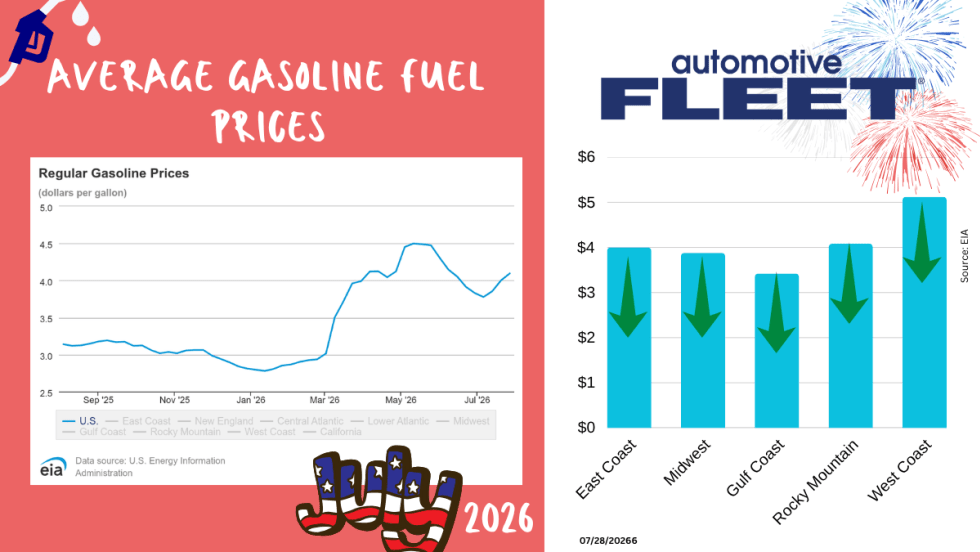
July Fuel Update: Prices Keep Rising in Light of More Conflict
Gas prices continue to rise as more and more conflicts do, too.
Read More →
Bob Adamsky on Fuel Volatility: "Don't Panic, Have a Plan."
When it comes to up and down fuel prices, Adamsky has a message for fleets: “Don’t panic.”
Read More →
How Fleets Can Gain Control of Non-Fuel Spend
Fuel often gets the spotlight, but non-fuel expenses can have a major impact on fleet costs. Ramel Lindsay of U.S. Bank Voyager discusses how fleets can gain better visibility and control over these often-overlooked expenditures.
Read More →
Fuel is Just the Start: How Middle East Tensions are Driving Up Fleet Maintenance Costs
The Middle East conflict is doing more than pushing up fuel prices. It’s also raising the cost of key maintenance products your fleet depends on, from motor oil to tires to windshield wipers. Here’s what you need to know about this budget-busting situation.
Read More →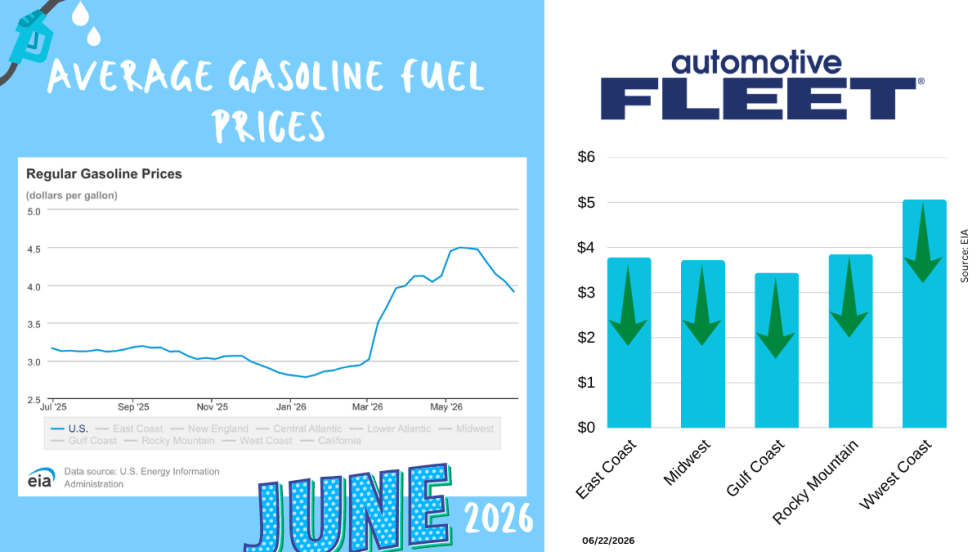
June Fuel Update: Prices Fall Below $4
Drivers are finally getting some relief at the pump. The national average gas price has dropped below $4 a gallon for the first time in months, with prices falling in 47 states as oil markets react to developments in U.S.-Iran negotiations.
Read More →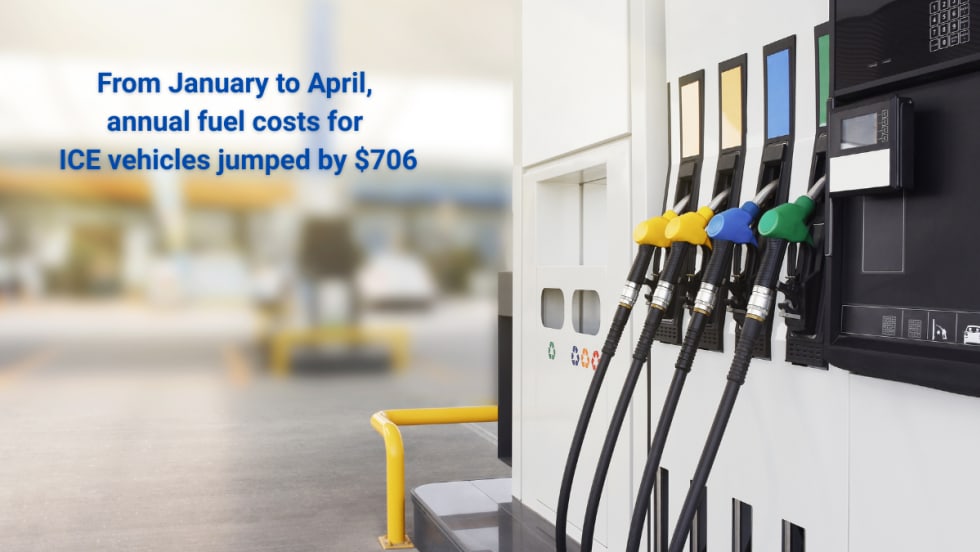
Study: How 2026's Gas Price Hikes Affect Different Vehicle Types
New data from iSeeCars reveals how rising fuel costs have affected different vehicle segments as gasoline prices climbed nearly 46% over the past four months.
Read More →
Are You Tracking Your Fleet's True Total Cost of Ownership?
Bobit Business Media surveyed 190 fleet professionals and found that while most fleets are tracking costs, fragmented systems and data gaps are keeping true TCO visibility out of reach. With rising pressure to control spend in an increasingly volatile environment, the gap between what fleets think they know and what the data actually shows is wider than you might expect. See how your peers are managing costs today and where the industry still has room to improve.
Read More →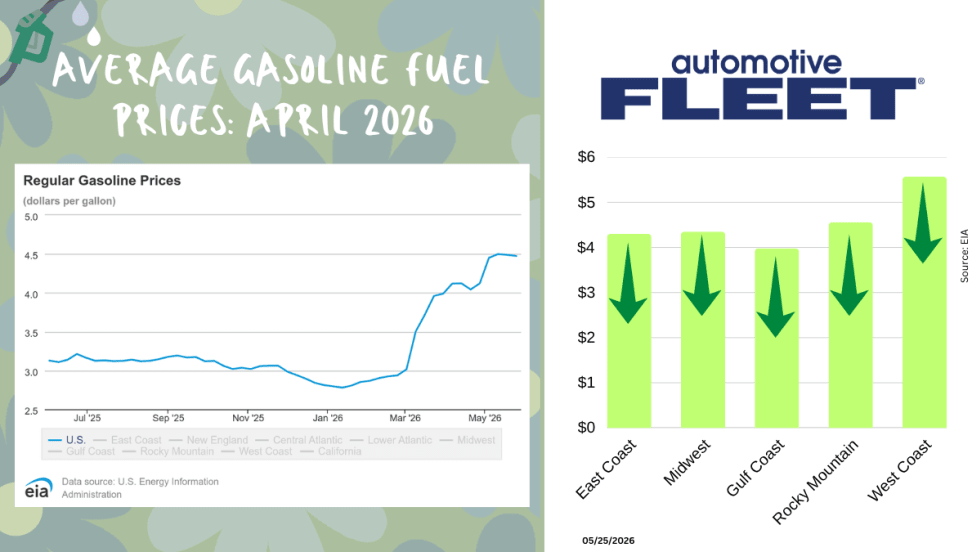
May Fuel Update: All Regions Experience Declines
Gas prices are finally easing in much of the country, but experts warn global tensions could quickly reverse the trend as the national average remains well above last month’s levels.
Read More →