




Fleets to Participate in Green Driver Challenge
DES PLAINES, IL – NovoNordisk and SimplexGrinnell have signed up to participate in Wheels Inc.’s EcoWheels Green Driver Challenge in which corporate fleet drivers and employees will learn about and pledge to adopt sustainable driving practices.
DES PLAINES, IL – NovoNordisk and SimplexGrinnell have signed up to participate in Wheels Inc.’s EcoWheels Green Driver Challenge, in which corporate fleet drivers and employees will learn about and pledge to adopt sustainable practices that minimize the environmental impact of their driving.
Last year more than 40 U.S. companies, such as AstraZeneca, Roche Diagnostics, DPR Construction, and Deluxe Corporation, participated in the challenge. You can read about last year's challenge here.
Diabetes care company Novo Nordisk manages a fleet of more than 3,000 vehicles and has made sustainability a part of the culture. The company is committed to a triple bottom line of financial, social, and environmental responsibility.
SimplexGrinnell, a Tyco International company, in the fire and life-safety markets, manages a fleet of 7,000 vehicles and has publicly committed to reducing greenhouse gas emissions, waste, and water consumption by 25 percent over the next four years.
“Climate change and rising energy costs are dual challenges facing businesses today,” said Dan Frank, president of Wheels Services. “These challenges are particularly salient as companies experience pressure from stakeholders to help solve the global environmental problems. However, there are easy, cost-effective ways for fleets to ‘go green’ and reduce their environmental impact, as well as operating costs.”
By registering at a special website and pledging sustainable actions during the program, participating drivers will learn the environmental impact of their commitment. The website calculates the carbon dioxide (CO2) output, in pounds, that each pledge will save and the impact of that CO2 reduction in equivalent number of trees planted.
“A big part of green driving is awareness about the small changes in driving habits that have a big impact on fuel efficiency and, intrinsically, the environment,” added Frank. “With transportation as the second largest source of greenhouse gas emissions in the U.S., the Challenge is another opportunity for Wheels and our clients to commit to the most sustainable driving practices.”
In recent years, companies have placed strategic focus on creating “greener” fleets, as a part of the larger trend toward improving their overall environmental accountability. Wheels said many of its clients have already taken proactive steps in this arena.
Companies have been actively prioritizing and seeking ways they can partner with Wheels to improve sustainability efforts and encourage eco-driving behaviors, such as adjusting their fleets to incorporate smaller, more fuel efficient vehicles. The Environmental Defense Fund (EDF) has been advocating for companies to move toward more efficient corporate fleets and is encouraging corporations to reduce 20 percent of greenhouse gas emission from vehicles by 2016.
“At EDF, one of our goals is to accelerate environmental innovation by challenging companies to make green business the new business as usual,” said Jason Mathers, project manager, Environmental Defense Fund. “The fleet leasing industry is uniquely positioned to deliver value to its clients by providing services that cuts costs and emissions. By engaging thousands of drivers on the simple changes they can make to reduce fuel consumption, the EcoWheels Green Driver Challenge is an example of such a service.”
The EcoWheels program, developed in 2007, is dedicated to helping corporate fleets reach environmental goals. By partnering with clients to educate drivers on practices that improve fuel efficiency, advising on best utilization of fleet assets and implementing best practices for fleet vehicle selection, the EcoWheels program has helped clients to decrease CO2 emissions by 250,000 metric tons.
More Fuel

Turning Fleet Payment Data into Executive Insights
Ramel Lindsay of U.S. Bank Voyager discusses how fleets can transform payment and transaction data into actionable intelligence to reduce costs, improve oversight, and support executive decision-making.
Read More →
Why the IRS Raised Its Mileage Rate in the Middle of 2026
Fuel-price volatility drove the rare increase to 76 cents per mile, the fifth midyear adjustment since 2000.
Read More →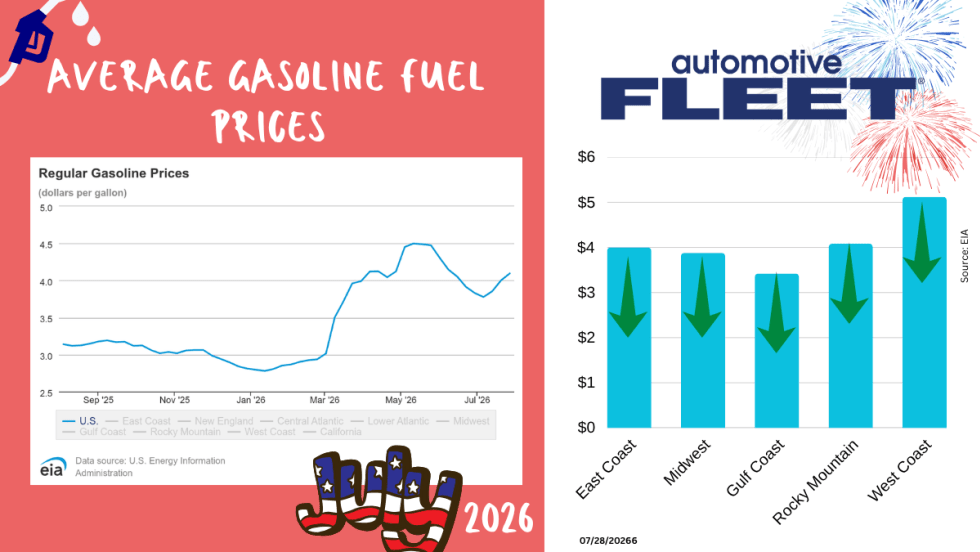
July Fuel Update: Prices Keep Rising in Light of More Conflict
Gas prices continue to rise as more and more conflicts do, too.
Read More →
Bob Adamsky on Fuel Volatility: "Don't Panic, Have a Plan."
When it comes to up and down fuel prices, Adamsky has a message for fleets: “Don’t panic.”
Read More →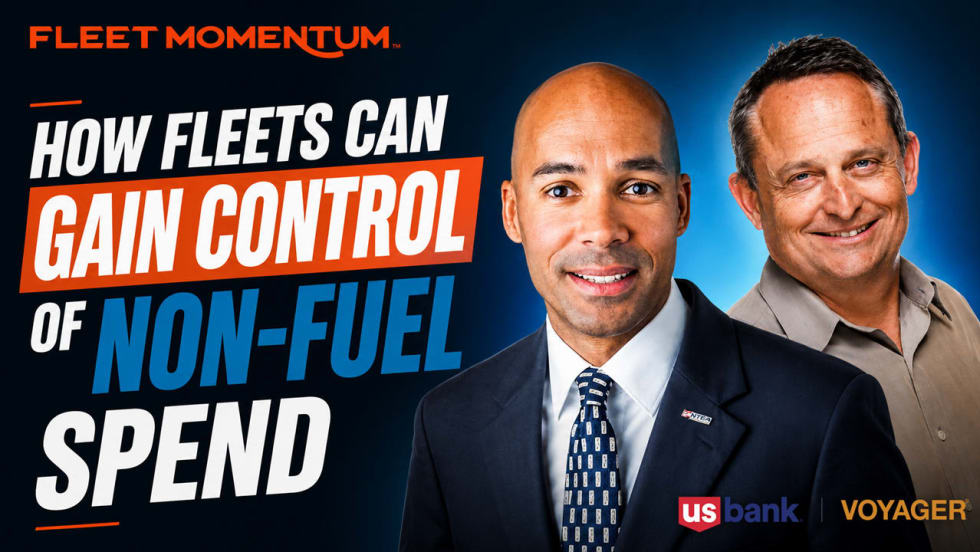
How Fleets Can Gain Control of Non-Fuel Spend
Fuel often gets the spotlight, but non-fuel expenses can have a major impact on fleet costs. Ramel Lindsay of U.S. Bank Voyager discusses how fleets can gain better visibility and control over these often-overlooked expenditures.
Read More →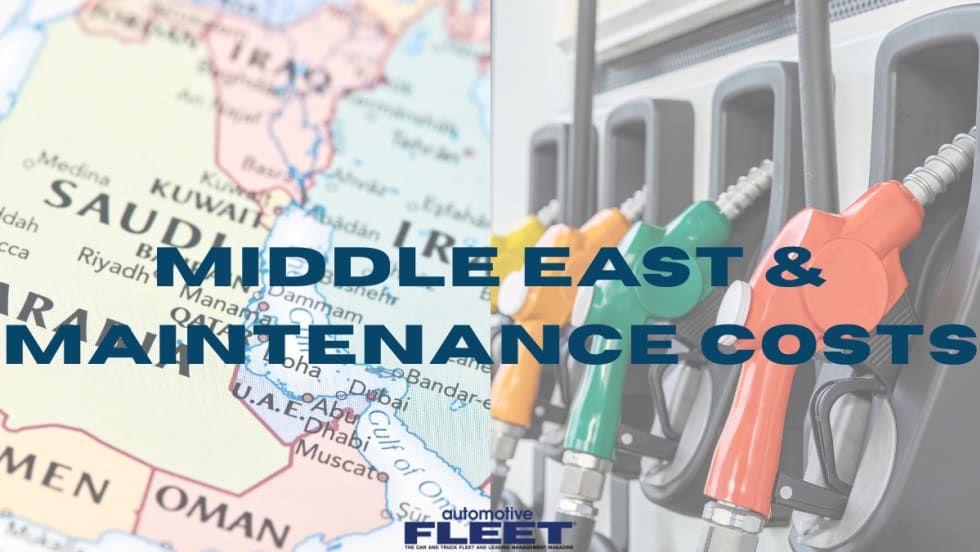
Fuel is Just the Start: How Middle East Tensions are Driving Up Fleet Maintenance Costs
The Middle East conflict is doing more than pushing up fuel prices. It’s also raising the cost of key maintenance products your fleet depends on, from motor oil to tires to windshield wipers. Here’s what you need to know about this budget-busting situation.
Read More →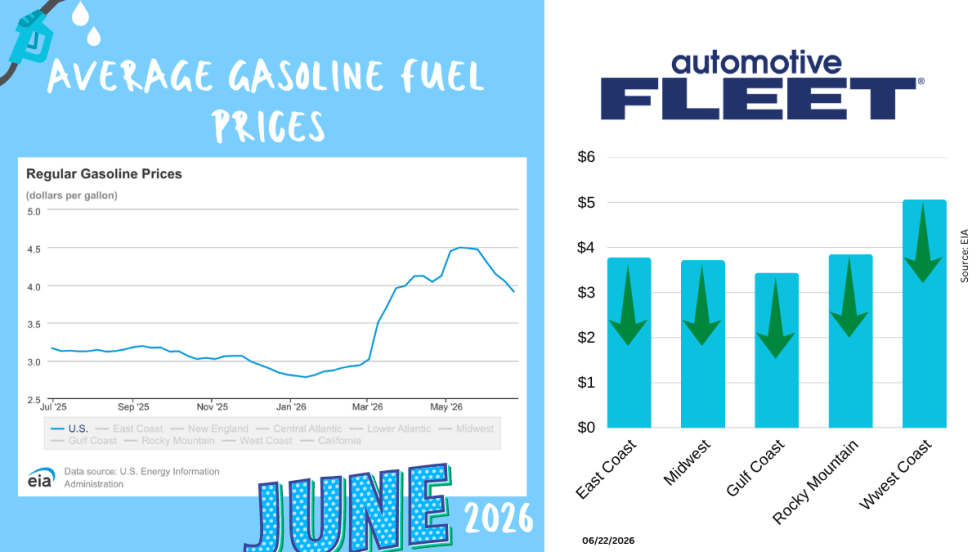
June Fuel Update: Prices Fall Below $4
Drivers are finally getting some relief at the pump. The national average gas price has dropped below $4 a gallon for the first time in months, with prices falling in 47 states as oil markets react to developments in U.S.-Iran negotiations.
Read More →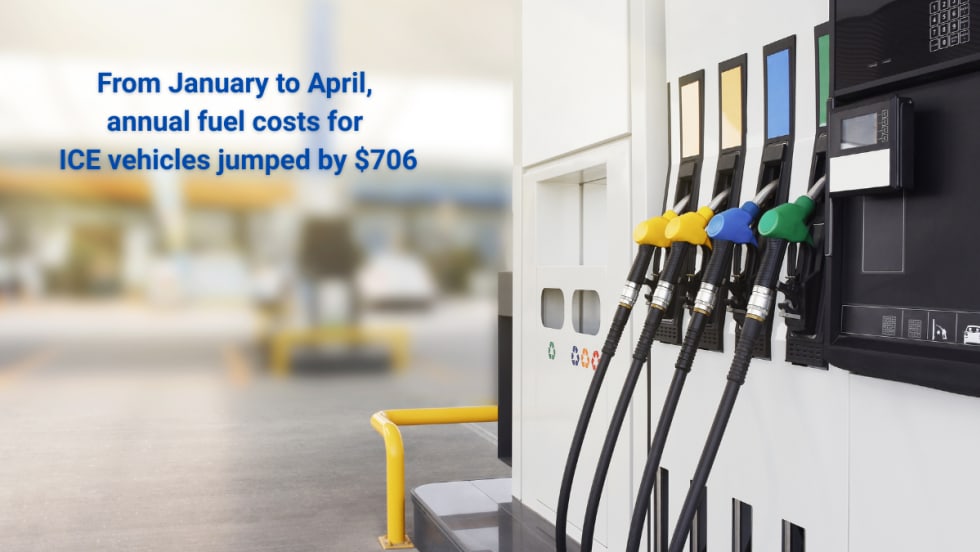
Study: How 2026's Gas Price Hikes Affect Different Vehicle Types
New data from iSeeCars reveals how rising fuel costs have affected different vehicle segments as gasoline prices climbed nearly 46% over the past four months.
Read More →
Are You Tracking Your Fleet's True Total Cost of Ownership?
Bobit Business Media surveyed 190 fleet professionals and found that while most fleets are tracking costs, fragmented systems and data gaps are keeping true TCO visibility out of reach. With rising pressure to control spend in an increasingly volatile environment, the gap between what fleets think they know and what the data actually shows is wider than you might expect. See how your peers are managing costs today and where the industry still has room to improve.
Read More →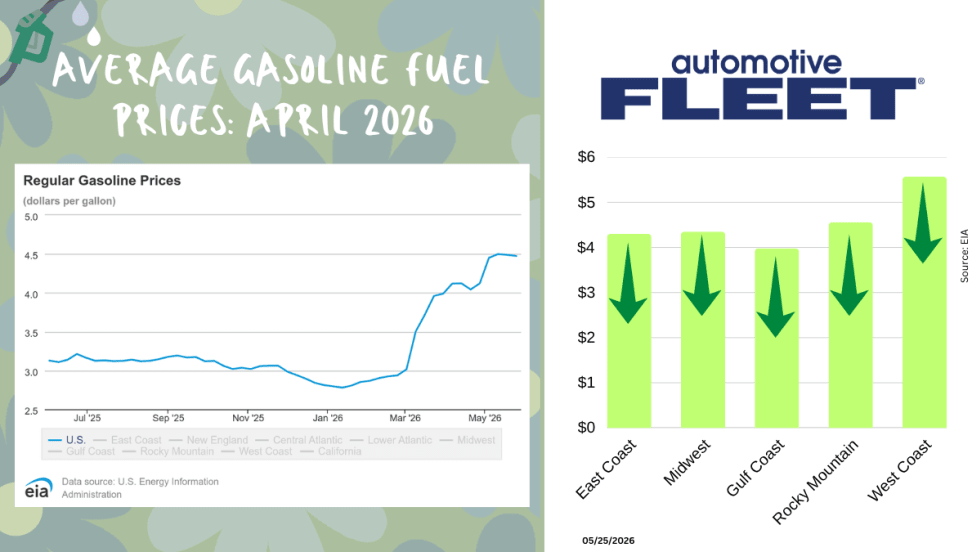
May Fuel Update: All Regions Experience Declines
Gas prices are finally easing in much of the country, but experts warn global tensions could quickly reverse the trend as the national average remains well above last month’s levels.
Read More →