





Related: Overall Commercial Vehicle Traffic Dips, While Trucking Activity is Strong
Fleets Seeing Less Road Congestion Due to COVID-19
Average commercial vehicle speeds have increased and time spent at intersections for drivers has reduced, indicating reduced congestion following regional stay-at-home orders.
April 15, 2020
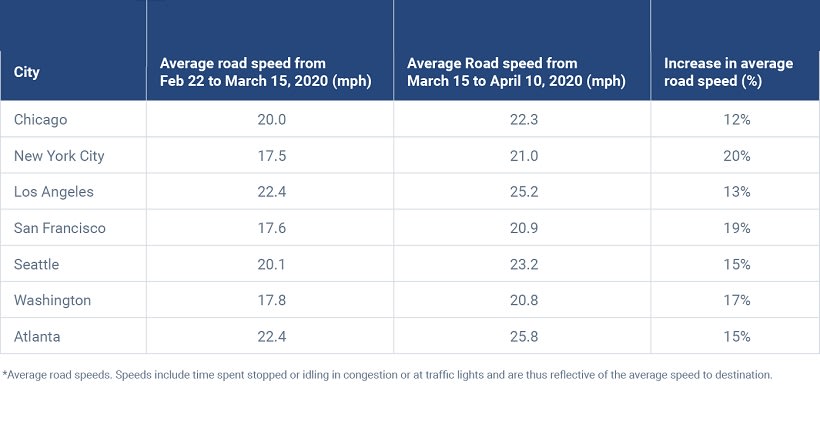
Photo: Geotab
2 min to read
Average commercial vehicle speeds have increased and time spent at intersections for drivers has reduced, indicating reduced congestion following regional stay-at-home orders, according to data from Geotab.
Geotab revealed new data insights highlighting the impact that COVID-19 has had on commercial vehicle activity in seven major U.S. cities. The data is processed from more than 2 million Geotab connected vehicles worldwide and is pulled from averages from Feb. 22, 2020 to March 15, 2020 compared with March 15, 2020 to April 10, 2020.
“Now more than ever, commercial vehicle drivers are tasked with moving essential goods across the country to help ensure that U.S. citizens have access to necessities like groceries, toiletries and more,” said Mike Branch, Vice President of Data and Analytics at Geotab. “Through our analysis, we have seen a noticeable decrease in traffic congestion based on average speeds and time spent at intersections. This means that with less traffic on the roads, commercial vehicles are able to travel through typically congested major cities in a more efficient way, allowing these essential drivers to get where they are going quicker.”
The U.S. city with the largest increase in average road speeds was found to be New York City, moving from an average speed of 17.5 mph to an average of 21.0 mph - a 20% increase, according to Geotab data. San Francisco and Washington had the second largest increase in average road speeds.
In addition to average road speed, the analysis also examined the average time stopped at city intersections after March 15, 2020 compared to average times from Feb. 22, 2020 to March 15, 2020. The city with the largest reduction in time spent at intersections was Atlanta at 17%, with an average of 35 seconds spent at an intersection compared to 42 seconds before March 15. The city that has shown the smallest reduction in time spent at intersections is Seattle, with a 3% difference since before March 15.
“Examining connected car datasets at the city level helps provide some clarity and understanding about what is happening in our communities during unprecedented times such as this,” added Branch. “As citizens across both the U.S. and the world continue to stay home, our support for frontline essential workers continues to be of the utmost importance.”
More Telematics
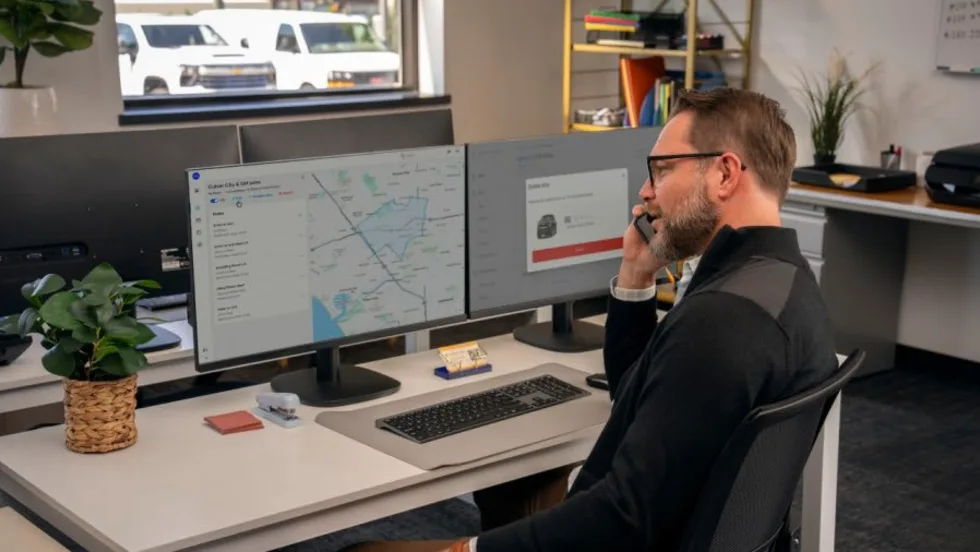
GM Launches OnStar Fleet Intelligence Platform With AI Assistant
The new platform brings vehicle data, order tracking, connected services and fleet analytics into one system, with an AI assistant that can answer fleet questions using natural-language prompts.
Read More →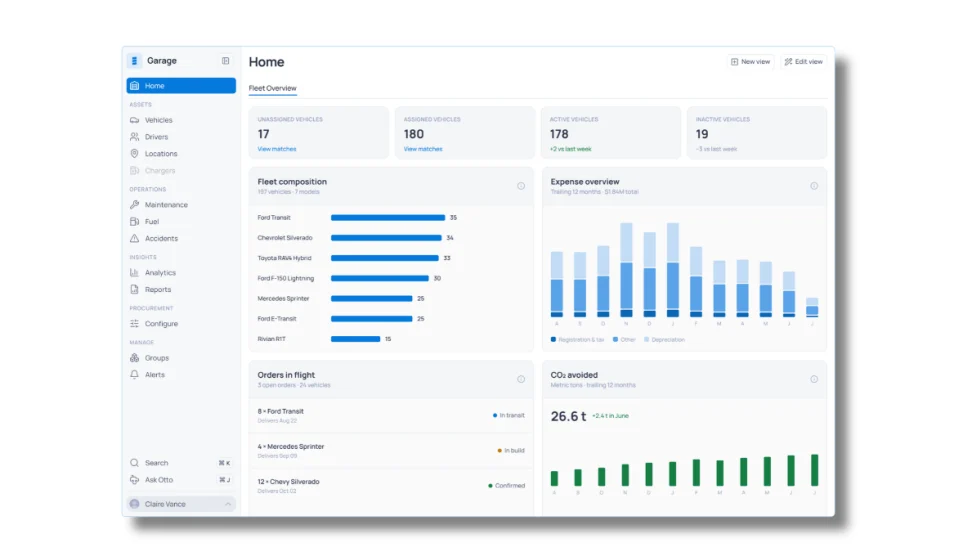
Inspiration Fleet Introduces Garage 2.0 Fleet Intelligence Platform
Fleet managers increasingly have access to data from vehicles, telematics, fuel, charging, and other systems, but those sources don't always communicate with one another. Inspiration Fleet's Garage 2.0 platform brings that information together while letting fleets keep working with different technology and service providers.
Read More →
Inside Inspiration Fleet’s New Platform for Connecting Fleet Data
Inspiration Fleet CTO Chris Getner explains how the new Garage 2.0 platform is designed to connect disparate fleet data and what that could mean for fleet managers in practice.
Read More →
Sponsored•October 1, 2026
Fleet Manager’s Ultimate Playbook: Navigating the New Standard in OEM Connectivity
Rising operating costs, driver safety concerns, and unplanned downtime are putting unprecedented pressure on modern fleets. Discover how fleet managers use embedded OEM connectivity and real-time vehicle data to cut TCO, prevent downtime, and protect drivers without aftermarket telematics hardware.
Read More →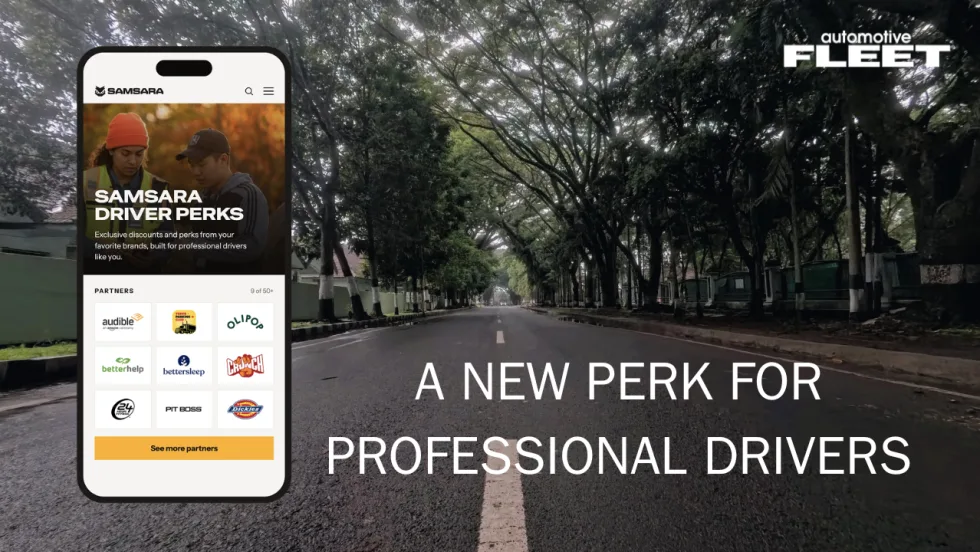
Samsara Driver Perks Adds New Benefit for Corporate Fleet Drivers
The rewards program gives eligible professional drivers access to discounts from more than 50 brands while giving fleets another way to support recruitment, retention, and the driver experience.
Read More →
Inside the Church of Jesus Christ of Latter-day Saints’ Two-Track Telematics Strategy
With 20,000 vehicles and two fundamentally different driver populations, the Church faced a fleet management problem that a single telematics program couldn't solve. How it responded offers a replicable framework for any fleet where one size doesn't fit every driver.
Read More →
How Conversational AI Can Make Fleet Tasks Easier for Drivers
While most generative AI tools help fleet managers interpret data at their desks, Connex2X is applying voice interaction to tasks behind the wheel.
Read More →
Why Fleets Are Creating Dedicated Fleet Analyst Positions
Are fleet analyst positions the new norm? Listen here to find out.
Read More →
Teletrac Navman Begins Next Chapter as Standalone Private Company
What's new with Teletrac Navman and its new owner?
Read More →
Why Fleets Are Creating Dedicated Fleet Analyst Positions
Telematics, AI, EVs, and connected technologies are generating more fleet data than traditional teams can effectively manage. Reed Jackson explains why dedicated fleet analytics roles are emerging to turn that information into better operational decisions.
Read More →