





Related: Drivers Using Vehicle Safety Assistance Tech Lose Focus on the Road
Fleet Miles Driven & Speeding Violations Increase in Chicago
The data provides insight into the changes in miles driven and how certain risky driving behaviors have become more prevalent in the months since “stay at home” orders were issued across Illinois.
November 30, 2020
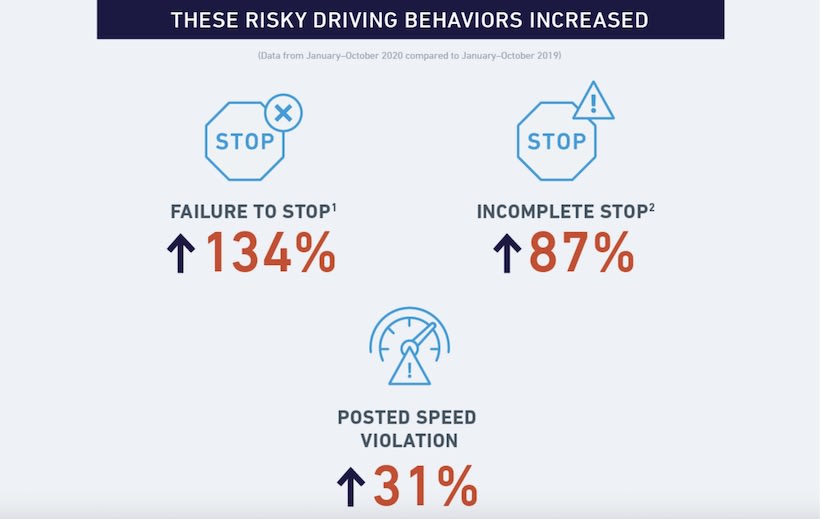
The data provides insight into the changes in miles driven and how certain risky driving behaviors have become more prevalent in the months since “stay at home” orders were issued across Illinois.
Graphic: Lytx
2 min to read
Lytx released data showing the effects the pandemic has had on fleets on the road in and around Chicago, observing more miles being driven for certain fleet segments, along with an increase in fleets making speeding violations.
The data provides insight into the changes in miles driven and how certain risky driving behaviors have become more prevalent in the months since “stay at home” orders were issued across Illinois, however, other risky behaviors also decreased, Lytx found. Online shopping is at an all-time high and will increase as the December holidays approach, and the need for distribution and trucking fleets to keep shipments moving has likewise increased.
Comparing the number of miles driven each month from January-October 2020 in freight, trucking, distribution, and waste fleets in Chicago, Lytx found that mileage increased markedly and steadily during this time in these fleets – more so than in other fleet types.
Distribution fleets, which include food and beverage carriers, moving and storage, and gas and petroleum fleets, drove 17% more miles in October 2020 as compared to January 2020, Lytx found. Meanwhile, trucking fleets, which include freight, tractor trailers and over-the-road/long-haul fleets, experienced a substantial mileage increase, driving 20% more miles in October 2020 than in January, likely due to demand for essential goods and supplies.
Waste fleets, which include recycling, disposal and sanitation vehicles, drove 6% more miles during this time, as more individuals stayed at home and generated higher amounts of residential trash across the Chicago metropolitan area than before the pandemic.
Driving events identified in the Chicago area during March-October 2020 compared to 2019, there were a number of shifts in risky driving behaviors among commercial, public sector and service drivers, Lytx found.
Risky driving behaviors that increased:
Failure to stop violations increased by 134%
Incomplete stop behaviors increased by 87%
Posted speed violations increased by 31%
Conversely, some risky driving behaviors that decreased were:
Late response decreased by 70%
Risky following distances decreased by 46%
Near collisions decreased by 31%
“Failure to stop” occurs when a driver failed to stop at or drove through a stop sign at a speed higher than 5 miles per hour (mph). While similar in scope, “incomplete stop” occurs when a driver’s speed was below 5 mph and the vehicle did not come to a complete stop at a stop sign or while turning right at a red light.
More Safety
Tips for Driving Safely on Halloween Night
This video features a reminder from the Connecticut Department of Transportation (DOT) and the Connecticut Police Chiefs Association, urging drivers to prioritize safety this Halloween.
Read More →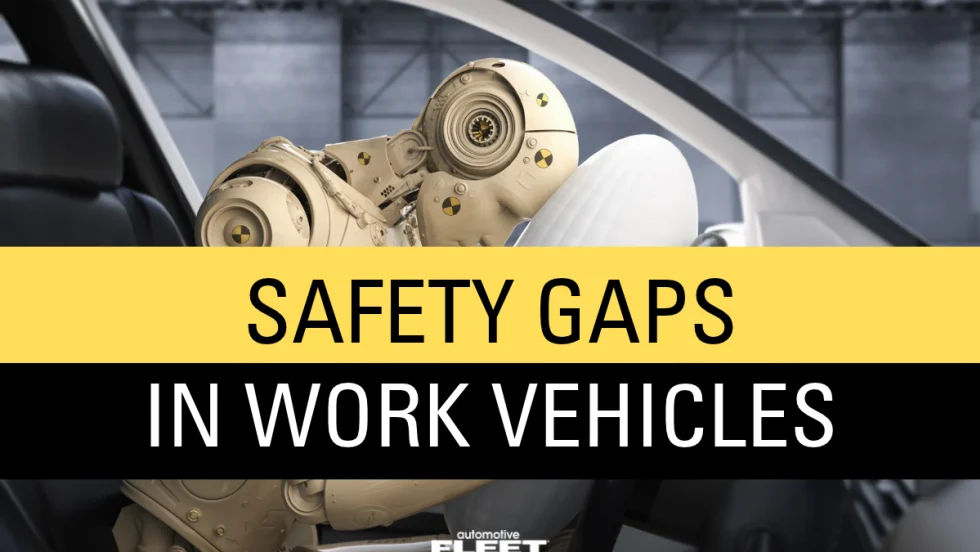
IIHS Crash Avoidance Tests Reveal Safety Gaps in Cargo Vans and Work Trucks
New crash-avoidance ratings from the Insurance Institute for Highway Safety reveal inconsistent performance among commercial vehicles, with several popular cargo vans and heavy-duty pickups struggling to avoid collisions with other vehicles and pedestrians.
Read More →
What’s Next for Fleet? Safety, AI & Industry Recognition | AF News Recap
Could your company's culture be encouraging distracted driving? This week, we're exploring how workplace expectations affect driver safety, what AI, EVs, and autonomous vehicles could mean for the future of fleet management, and how fleet professionals can strengthen their award nominations.
Read More →
Does Your Fleet's Culture Encourage Distracted Driving?
What happens when the people responsible for enforcing safety rules are the ones setting the wrong example? The answer may reveal why some of the biggest risks to fleet drivers have little to do with what's written in the employee handbook.
Read More →
Sponsored•October 1, 2026
Fleet Manager’s Ultimate Playbook: Navigating the New Standard in OEM Connectivity
Rising operating costs, driver safety concerns, and unplanned downtime are putting unprecedented pressure on modern fleets. Discover how fleet managers use embedded OEM connectivity and real-time vehicle data to cut TCO, prevent downtime, and protect drivers without aftermarket telematics hardware.
Read More →
From Driver Well-Being to EV Charging | AF News Recap
Mental health belongs in the fleet safety conversation. This week, we’re looking at five ways fleets can support employee well-being before a crisis, plus Holman’s expansion in Mexico, new one-day Fleet Forward passes, and why EV charging demand is outpacing infrastructure growth.
Read More →
Nexar-Nauto Merger Aims to Give Fleets Better Safety Intelligence Through Larger Driving Dataset
Stefan Heck tells Automotive Fleet that combining more than 10 billion miles of driving history with Nexar's AI models will give fleets deeper insights into driver risk and roadway conditions than either company could provide independently.
Read More →
Don't Wait for a Crisis: 5 Ways to Build Mental Health Into Your Fleet Safety Program
For Suicide Prevention Month, fleet and safety leaders have an opportunity to put mental health where it belongs: at the center of workplace safety.
Read More →
How Camera Data Can Strengthen a Fleet’s Insurance Renewal
Insights from a commercial insurance carrier and a broker show how fleets can turn video telematic data, driver coaching, and improved claims results into a stronger case at insurance renewal.
Read More →
The Safest Fleets Aren’t the Ones with the Most Technology
You’ve made the telematics investment. Here’s how to capture the other half of its value and build the safest fleet on the road.
Read More →