




Feds Require Backup Cameras By 2018
The National Highway Traffic Safety Administration (NHTSA) has required rear-visibility technology, otherwise known as backup cameras, in light-duty vehicles by May of 2018.
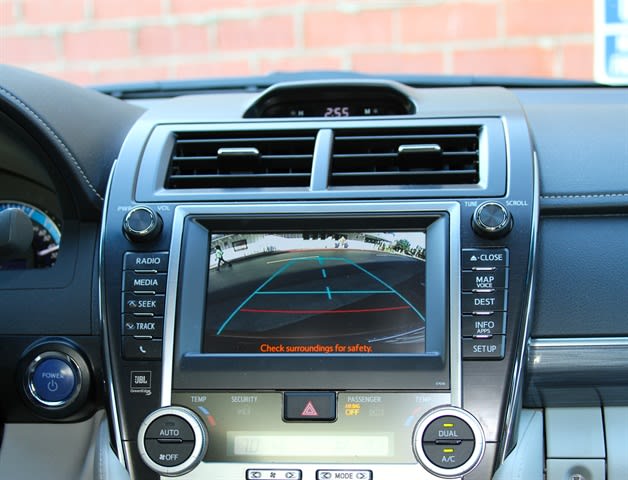
A rear-view camera system in a Toyota Camry.
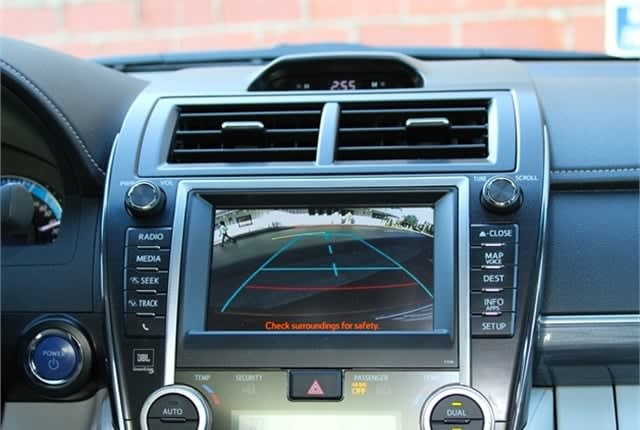
A rear-view camera system in a Toyota Camry.
The National Highway Traffic Safety Administration (NHTSA) has required rear-visibility technology, otherwise known as backup cameras, in light-duty vehicles by May of 2018.
The rule, issued on March 31, requires all vehicles weighling less than 10,000 pounds, including buses and trucks, that are manufactured on May 1, 2018, to come equipped with rear visibility technology that expands the driver's field of view behind the vehicle. The goal is to enable the driver to better detect the presence of people, especially small children, in the vehicle’s path before backing up, regulators said.
The rule has been embraced by fleet management executives such as Ed Iannuzzi, ARI's manager of driver services.
"We believe that this ruling is a significant step towards reducing or eliminating deaths or injuries due to back-over accidents, and fleets may want to consider adding back-up cameras to their selector on new vehicle orders prior to this mandate in 2018," Iannuzzi told AutomotiveFleet.com.
The new rule requires that the field of view include a 10-by-20-foot visibility zone directly behind the vehicle. The system must also meet other requirements for image size, linger time, response time, durability and deactivation.
"Safety is our highest priority, and we are committed to protecting the most vulnerable victims of backover accidents — our children and seniors," said U.S. Transportation Secretary Anthony Foxx. "As a father, I can only imagine how heart wrenching these types of accidents can be for families, but we hope that today's rule will serve as a significant step toward reducing these tragic accidents."
On average, there are 210 fatalities and 15,000 injuries per year caused by backover crashes. NHTSA has found that children under five years old account for 31 percent of backover fatalities each year, and adults 70 years of age and older account for 26 percent.
"Rear visibility requirements will save lives, and will save many families from the heartache suffered after these tragic incidents occur," said David Friedman, NHTSA's acting administrator. "We're already recommending this kind of life-saving technology through our NCAP program and encouraging consumers to consider it when buying cars today."
The final rule's release follows a series of regulatory delays. Back in 2007, Congress passed legislation requiring the U.S. Department of Transportation to issue a final ruling on more stringent rear-visibility standards by February of 2011. President George W. Bush signed the legislation into law on Feb. 28, 2008.
But the Alliance of Automobile Manufacturers has opposed such a mandate, arguing that consumers should decide for themselves whether to assume the extra cost of such safety equipment. The industry estimates that a mandate requiring rear-view cameras in all new vehicles will cost $2.7 billion annually, which breaks down to roughly an additional $160 to $200 per vehicle. And that cost will be passed along to consumers.
In response, NHTSA repeatedly postponed a final ruling on the rear-visibility standards. In June 2013, the agency set a new deadline, Jan. 2, 2015, citing a need to gather more cost-benefit data.
In September 2013, these delays spurred some safety advocacy groups to file a lawsuit requesting a federal Court of Appeals to order NHTSA to issue a final ruling within 90 days.
In announcing the final rule, NHTSA said it took extra time on this regulation to "ensure that the policy was right and make the rule flexible and achievable."
The agency, part of the Department of Transportation, pointed out that many companies are installing rear-visibility systems on their own, as a result of consumer demand.
"Including vehicles that already have systems installed, 58 to 69 lives are expected to be saved each year once the entire on-road vehicle fleet is equipped with rear visibility systems meeting the requirements of today's final rule," according to a NHTSA statement.
Read the final rule here.
More Safety
IIHS Crash Avoidance Tests Reveal Safety Gaps in Cargo Vans and Work Trucks
New crash-avoidance ratings from the Insurance Institute for Highway Safety reveal inconsistent performance among commercial vehicles, with several popular cargo vans and heavy-duty pickups struggling to avoid collisions with other vehicles and pedestrians.
Read More →
What’s Next for Fleet? Safety, AI & Industry Recognition | AF News Recap
Could your company's culture be encouraging distracted driving? This week, we're exploring how workplace expectations affect driver safety, what AI, EVs, and autonomous vehicles could mean for the future of fleet management, and how fleet professionals can strengthen their award nominations.
Read More →
Does Your Fleet's Culture Encourage Distracted Driving?
What happens when the people responsible for enforcing safety rules are the ones setting the wrong example? The answer may reveal why some of the biggest risks to fleet drivers have little to do with what's written in the employee handbook.
Read More →
Fleet Manager’s Ultimate Playbook: Navigating the New Standard in OEM Connectivity
Rising operating costs, driver safety concerns, and unplanned downtime are putting unprecedented pressure on modern fleets. Discover how fleet managers use embedded OEM connectivity and real-time vehicle data to cut TCO, prevent downtime, and protect drivers without aftermarket telematics hardware.
Read More →
From Driver Well-Being to EV Charging | AF News Recap
Mental health belongs in the fleet safety conversation. This week, we’re looking at five ways fleets can support employee well-being before a crisis, plus Holman’s expansion in Mexico, new one-day Fleet Forward passes, and why EV charging demand is outpacing infrastructure growth.
Read More →
Nexar-Nauto Merger Aims to Give Fleets Better Safety Intelligence Through Larger Driving Dataset
Stefan Heck tells Automotive Fleet that combining more than 10 billion miles of driving history with Nexar's AI models will give fleets deeper insights into driver risk and roadway conditions than either company could provide independently.
Read More →
Don't Wait for a Crisis: 5 Ways to Build Mental Health Into Your Fleet Safety Program
For Suicide Prevention Month, fleet and safety leaders have an opportunity to put mental health where it belongs: at the center of workplace safety.
Read More →
How Camera Data Can Strengthen a Fleet’s Insurance Renewal
Insights from a commercial insurance carrier and a broker show how fleets can turn video telematic data, driver coaching, and improved claims results into a stronger case at insurance renewal.
Read More →
The Safest Fleets Aren’t the Ones with the Most Technology
You’ve made the telematics investment. Here’s how to capture the other half of its value and build the safest fleet on the road.
Read More →
Hidden in Plain Sight: Fleet Compliance Risks
Fleet compliance isn't just about having policies — it's about consistently enforcing them. This practical guide reveals six hidden compliance risks common in public sector and shared fleet operations and outlines proven strategies to improve visibility, accountability, and audit readiness
Read More →