




FedEx to Add Up to 75 Diesel-Electric Hybrid Trucks to Fleet
WASHINGTON, D.C. — FedEx Express, a subsidiary of FedEx Corp. announced plans on April 22 to add up to 75 hybrid, diesel electric trucks to its service fleet in the next 12 months, contingent upon pricing and availability.
WASHINGTON, D.C. — FedEx Express, a subsidiary of FedEx Corp. announced plans on April 22 to add up to 75 hybrid, diesel electric trucks to its service fleet in the next 12 months, contingent upon pricing and availability. The announcement coincided with the unveiling of two FedEx hybrid trucks in the nation's capital on April 21, which brought the company-wide total of hybrid trucks in use to 18. "Placing hybrid trucks in Washington D.C., and the planned increase for next year reflects the growing viability of hybrid trucks," said John Formisano, vice president of global vehicles, FedEx Express. "It also shows the commitment of FedEx to pursue the use of promising technologies that both reduce fuel costs and provide more environmentally responsive vehicles for the communities in which we live and work." The Washington D.C. rollout is a joint initiative with Environmental Defense and Eaton Corporation The FedEx Express E700 hybrid electric vehicle decreases particulate emissions by 96 percent and travels 57 percent farther on a gallon of fuel than a conventional FedEx truck, reducing fuel costs by more than one third. FedEx currently has 18 hybrid trucks in service in Sacramento, New York, Tampa and now Washington, D.C. The vehicles are performing exceptionally well. They have experienced up-time ranging from 96 to 99 percent, which is impressive for any new vehicle considering that the average up-time for rest of the fleet is 99.6 percent. The trucks are meeting environmental goals based on recent lab testing at the Southwest Research Institute, which found a particulate matter reduction of 96 percent, a NOx reduction of 65 percent and increased fuel efficiency of 57 percent, compared to the 1999 baseline vehicle. New trucks are expected to be placed in Texas and New York City. The project partners, Environmental Defense, FedEx and Eaton, have worked closely with a number of suppliers to find innovative, effective solutions to allow greater adoption of hybrid electric vehicles by more fleets around the country. Freightliner Custom Chassis supplied the chassis and assembled the 18 vehicles that have been placed into operation over the past year, starting in Sacramento. Utilimaster, Hitachi, and Detroit Diesel each provided key components and worked with project partners to customize their components for the hybrid trucks. FedEx Express and Environmental Defense began working together in 2000 to create a delivery truck that would dramatically decrease emissions and fuel use. Through a competitive process, Eaton Corporation was selected from more than 20 manufacturers who expressed interest in creating a cleaner vehicle using a variety of technologies. Since the beginning of the project, progress toward goals has been assessed against the 1999 FedEx Express W700 standard delivery vehicle, which represented the most common model in the FedEx Express fleet. Eaton's hybrid-electric powertrain combines a diesel engine and electric motor to drive the vehicle. A computer determines the most efficient combination, depending on current operating conditions and driver demand. A four-cylinder engine replaces the six-cylinder version currently used in the FedEx Express W700 delivery vehicle. The engine size is reduced because of the added power provided by the electric motor. A particulate trap has been added to the truck to further reduce emissions. Eaton's hybrid electric powertrain has been placed in the standard white FedEx Express W700 delivery truck, which uses a Freightliner chassis and a Utilimaster body. The hybrid electric E700, which bears an OptiFleet brand decal on the sides and rear of the vehicle, has a gross vehicle weight of approximately 16,000 lbs. and a cargo capacity of approximately 670 cubic feet.
More Fuel

Fuel Prices Surge in September | September Fuel Update
September brought major fuel price swings, including diesel crossing $6 a gallon. Here’s how gas and diesel prices changed throughout the month, and where they stood heading into October.
Read More →
Turning Fleet Payment Data into Executive Insights
Ramel Lindsay of U.S. Bank Voyager discusses how fleets can transform payment and transaction data into actionable intelligence to reduce costs, improve oversight, and support executive decision-making.
Read More →
Why the IRS Raised Its Mileage Rate in the Middle of 2026
Fuel-price volatility drove the rare increase to 76 cents per mile, the fifth midyear adjustment since 2000.
Read More →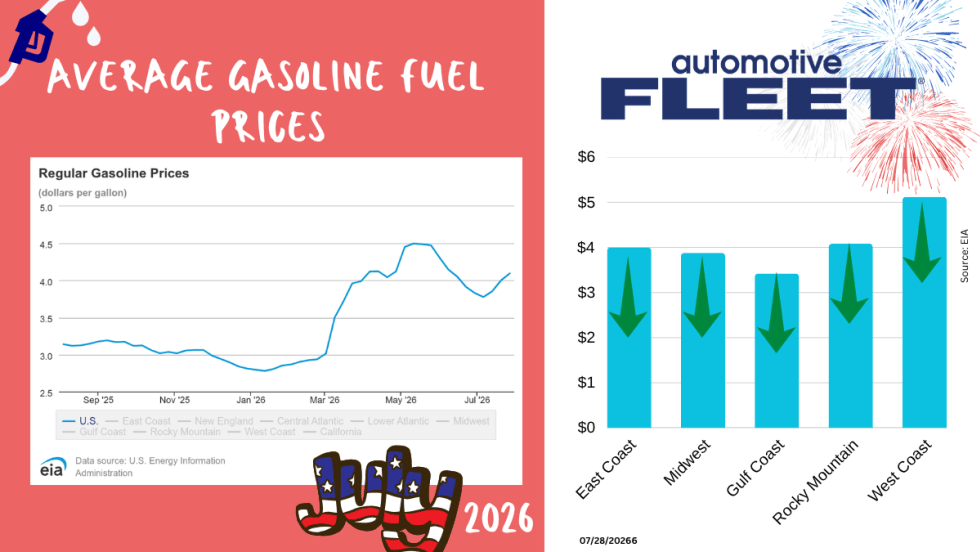
July Fuel Update: Prices Keep Rising in Light of More Conflict
Gas prices continue to rise as more and more conflicts do, too.
Read More →
Bob Adamsky on Fuel Volatility: "Don't Panic, Have a Plan."
When it comes to up and down fuel prices, Adamsky has a message for fleets: “Don’t panic.”
Read More →
How Fleets Can Gain Control of Non-Fuel Spend
Fuel often gets the spotlight, but non-fuel expenses can have a major impact on fleet costs. Ramel Lindsay of U.S. Bank Voyager discusses how fleets can gain better visibility and control over these often-overlooked expenditures.
Read More →
Fuel is Just the Start: How Middle East Tensions are Driving Up Fleet Maintenance Costs
The Middle East conflict is doing more than pushing up fuel prices. It’s also raising the cost of key maintenance products your fleet depends on, from motor oil to tires to windshield wipers. Here’s what you need to know about this budget-busting situation.
Read More →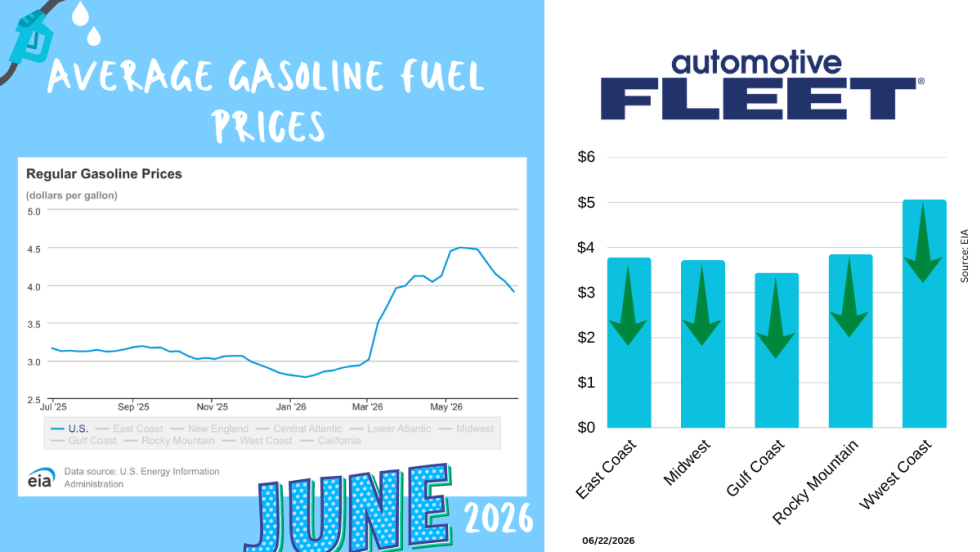
June Fuel Update: Prices Fall Below $4
Drivers are finally getting some relief at the pump. The national average gas price has dropped below $4 a gallon for the first time in months, with prices falling in 47 states as oil markets react to developments in U.S.-Iran negotiations.
Read More →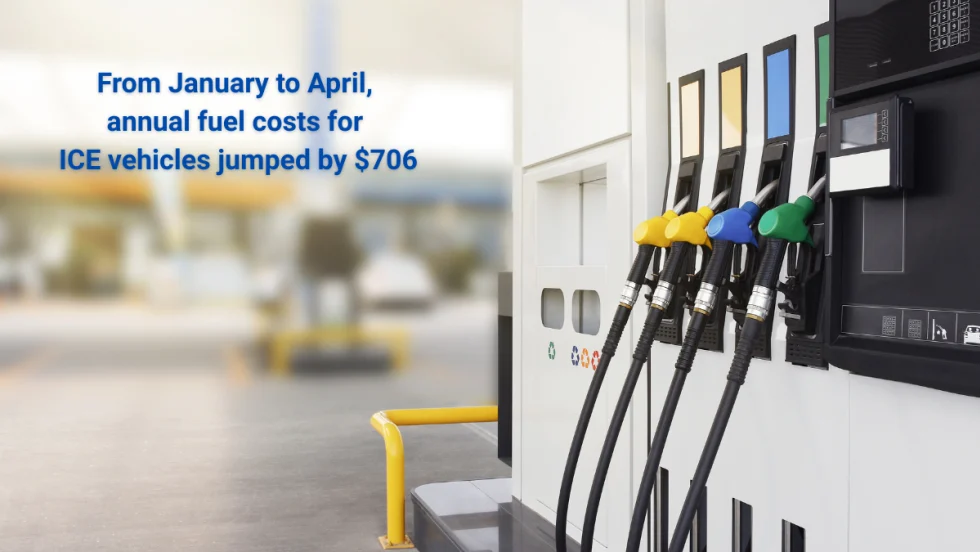
Study: How 2026's Gas Price Hikes Affect Different Vehicle Types
New data from iSeeCars reveals how rising fuel costs have affected different vehicle segments as gasoline prices climbed nearly 46% over the past four months.
Read More →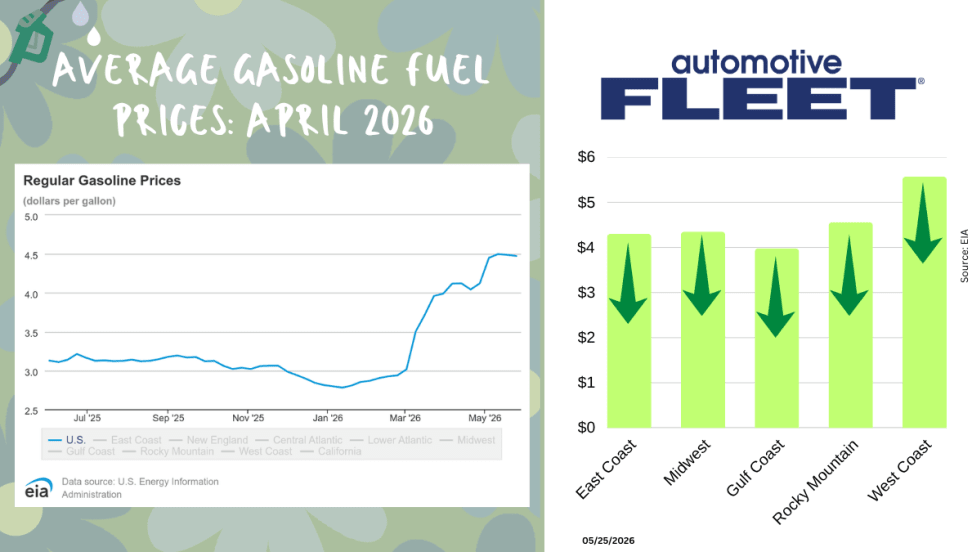
May Fuel Update: All Regions Experience Declines
Gas prices are finally easing in much of the country, but experts warn global tensions could quickly reverse the trend as the national average remains well above last month’s levels.
Read More →