




EPAct Alternative Compliance Proposal for Fleets
WASHINGTON, D.C. – The Department of Energy (DOE) has published a proposed rule to implement section 514 of the Energy Policy Act (EPAct) of 1992, as amended by section 703 of the EPAct of 2005, which allows states and alternative-fuel providers to meet a petroleum reduction requirement in lieu of acquiring alternative-fueled vehicles (AFVs) as mandated by EPAct 1992, according to the National Association of Fleet Administrators (NAFA).
WASHINGTON, D.C. – The Department of Energy (DOE) has published a proposed rule to implement section 514 of the Energy Policy Act (EPAct) of 1992, as amended by section 703 of the EPAct of 2005, which allows states and alternative-fuel providers to meet a petroleum reduction requirement in lieu of acquiring alternative-fueled vehicles (AFVs) as mandated by EPAct 1992, according to the National Association of Fleet Administrators (NAFA). The new law allows a state entity or alternative-fuel provider to request a waiver showing that in lieu of complying with the applicable AFV acquisition requirement for a model year, it will take other actions to reduce its annual petroleum motor fuel consumption by an amount equal to 100-percent alternative-fuel use in all of the fleet’s AFVs, including AFVs that the state entity or alternative-fuel provider would have been required to acquire if there was no waiver. The DOE will host a public workshop for interested fleets on Jul. 12 in Washington, D.C. A copy of the proposed rule is available at: www1.eere.energy.gov/vehiclesandfuels/epact/state/afc_docket.html. For additional information, contact NAFA’s U.S. Legislative Counsel Pat O’Connor at (202) 223-6222.
More Fuel
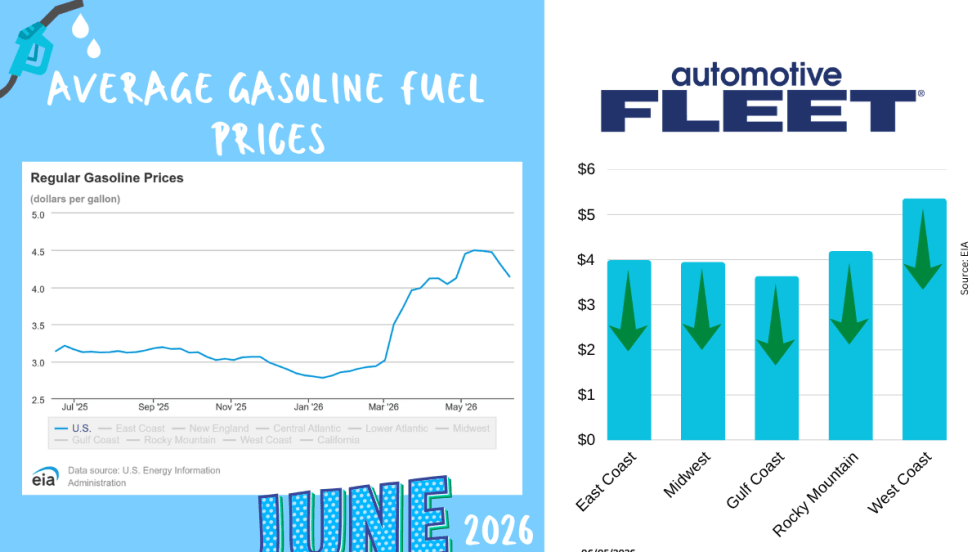
June Fuel Update: Prices Continue to Fall
While prices have continued to decline for four straight weeks, the next weeks don't look as promising.
Read More →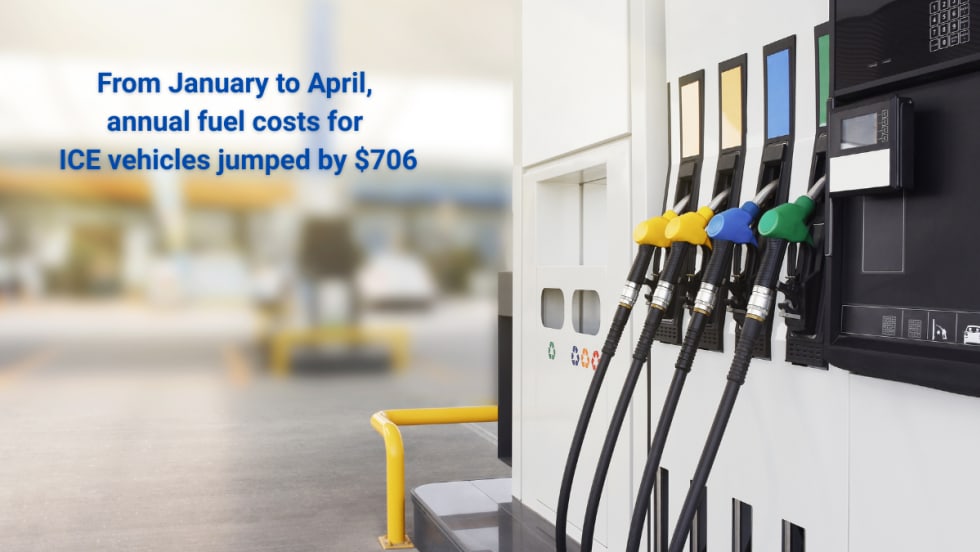
Study: How 2026's Gas Price Hikes Affect Different Vehicle Types
New data from iSeeCars reveals how rising fuel costs have affected different vehicle segments as gasoline prices climbed nearly 46% over the past four months.
Read More →
Are You Tracking Your Fleet's True Total Cost of Ownership?
Bobit Business Media surveyed 190 fleet professionals and found that while most fleets are tracking costs, fragmented systems and data gaps are keeping true TCO visibility out of reach. With rising pressure to control spend in an increasingly volatile environment, the gap between what fleets think they know and what the data actually shows is wider than you might expect. See how your peers are managing costs today and where the industry still has room to improve.
Read More →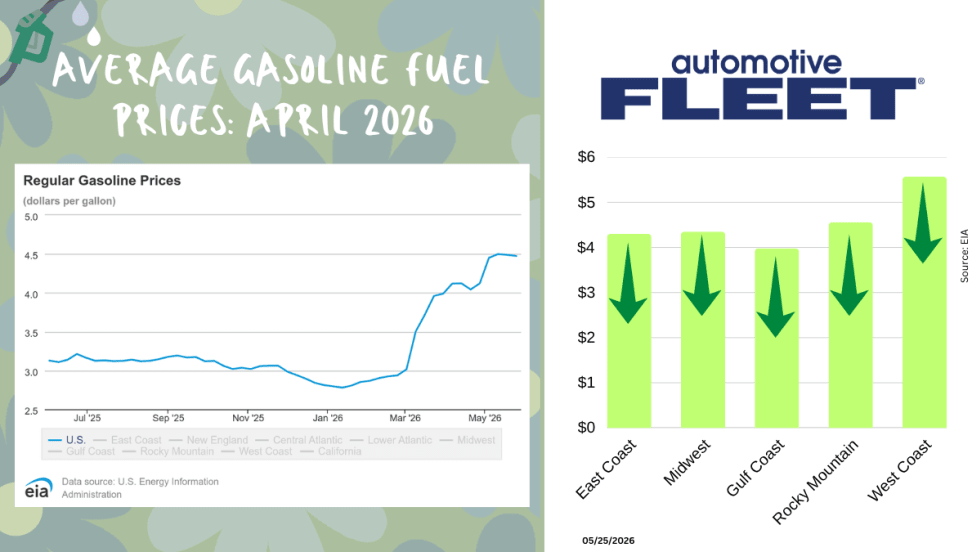
May Fuel Update: All Regions Experience Declines
Gas prices are finally easing in much of the country, but experts warn global tensions could quickly reverse the trend as the national average remains well above last month’s levels.
Read More →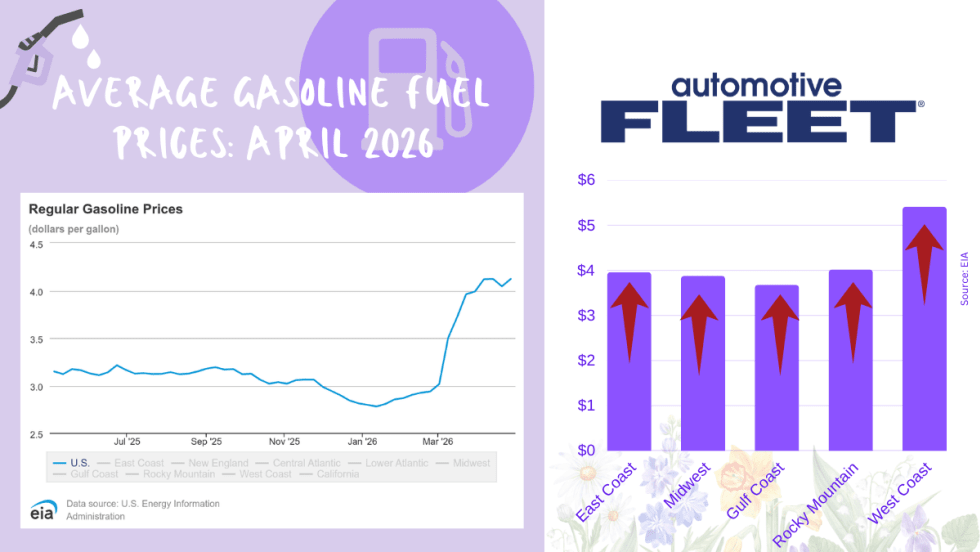
April Fuel Update: Prices Climb Above $4 as Spring Surge Accelerates
National average jumps to $4.04 per gallon, up sharply from last year, with West Coast prices topping $5 and further increases expected amid rising oil tensions.
Read More →
Tips from Fleet Managers on Saving Fuel Costs
Fleet leaders share practical strategies to reduce fuel spend through smarter policy, routing, and driver guidance.
Read More →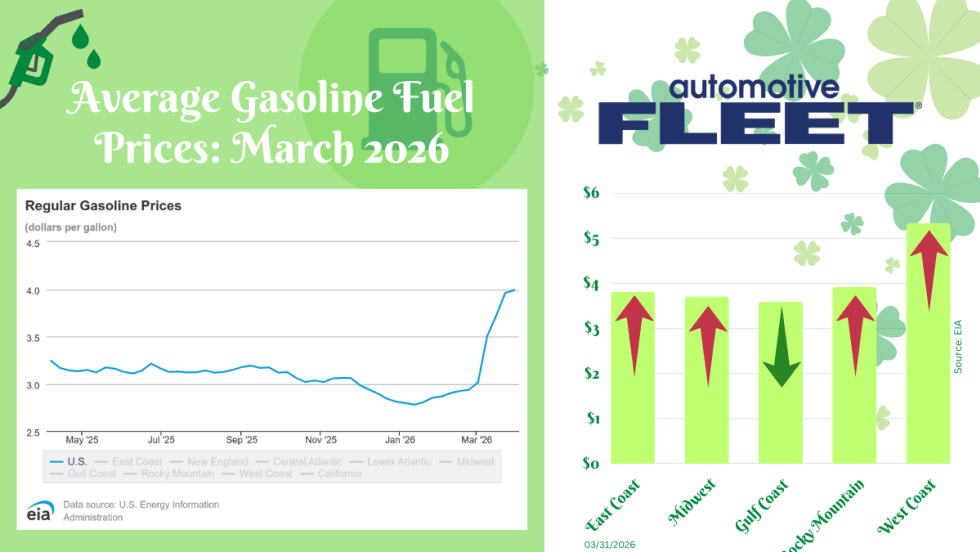
March Fuel Update: Prices Settle With a $4 Average
Fuel prices significantly slowed this week, but a $4 national average is still expected.
Read More →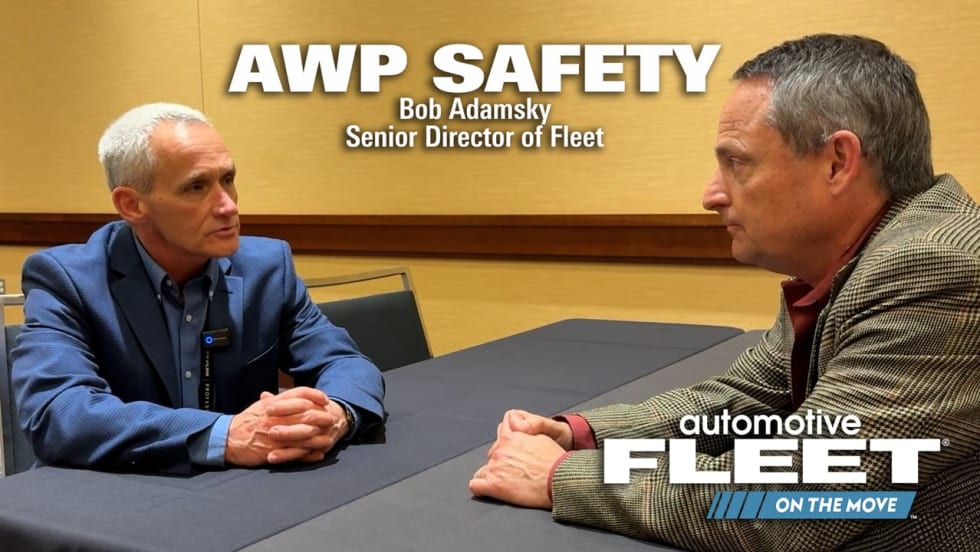
Bob Adamsky on Fuel Volatility: “Don’t Panic — Have a Plan”
With oil prices rising again, AWP Safety’s fleet manager shares how to respond to rising fuel costs and how the right strategy can turn fuel spikes into cost-saving opportunities.
Read More →
Oil Market Turbulence Is Complicating Fleet Cost Planning
Rapid swings in crude oil prices driven by the conflict in the Middle East could create longer-term cost pressures for fleets, affecting fuel prices, supply chains, and vehicle strategy, says NTEA’s Andrew Wrobel.
Read More →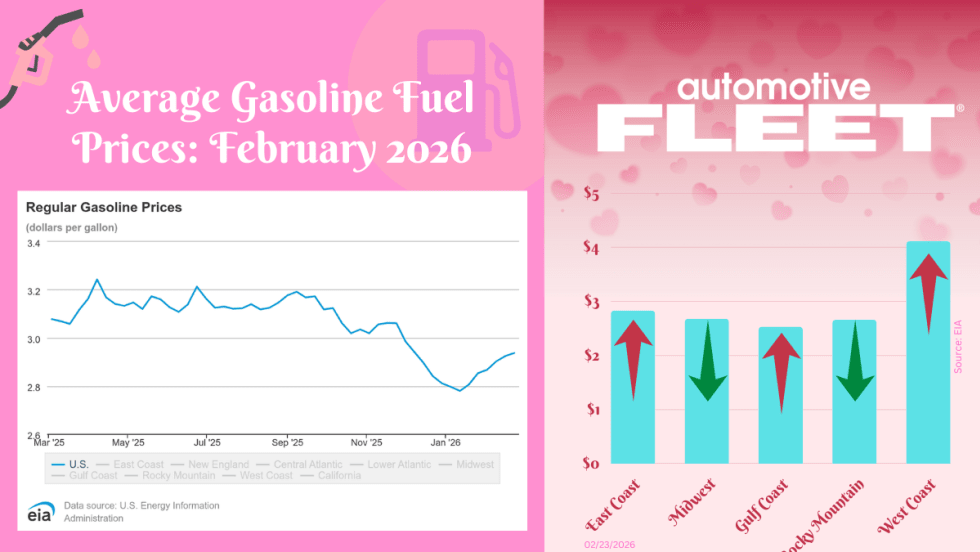
February Fuel Update: Prices Inch Higher for Third Week in a Row
The final February fuel update reveals prices continuing to inch higher for the third week in a row.
Read More →