




EPA Unveils New System for Estimating Fuel Economy
WASHINGTON, D.C. --- The federal Environmental Protection Agency this week unveiled a new system for measuring fuel economy.
WASHINGTON, D.C. --- The federal Environmental Protection Agency this week unveiled a new system for measuring fuel economy. The new testing requirements are expected to lower mileage estimates for most vehicle models, but provide a more accurate picture of what mileage a vehicle will get in the real world. According to a recent study by Edmunds.com, the average mileage for passenger cars and light trucks is about 14 percent less than EPA estimates. The new measuring system will affect hybrids even more than other models because it eliminates some of the all-electric driving. According to a report in the Los Angeles Times, a hybrid car whose mileage is now estimated at 55 miles per gallon may be marked down to 44 miles per gallon when the 2008 models arrive under the new system. Bill Wehrum, the EPA's acting assistant administrator for air and radiation, told the L.A. Times that on average vehicles rated with the 2008 system will post a 12 percent drop in city gasoline mileage and an 8 percent drop in highway mileage. Mileage for gas-electric hybrids will likely be 20 to 30 percent lower than present estimates for city driving and 10 to 20 percent lower on the highway. The EPA will also begin estimating mileage for medium-duty pickup trucks, vans and SUVs that weigh between 8,500 and 10,000 pounds. These vehicles were previously exempted from the EPA ratings. However, vehicle manufacturers won't be required to publicize big trucks' mileage estimates until the 2011 model year. What has led to the discrepancy between EPA estimates and real-world mileage under the existing system? Simply put, the testing was conducted under ideal conditions. Agency testers didn't include much stop-and-go driving in traffic, rapid acceleration, driving with the air conditioning on, or driving in cold temperatures. The new system will take those real-world conditions into account.
More Fuel
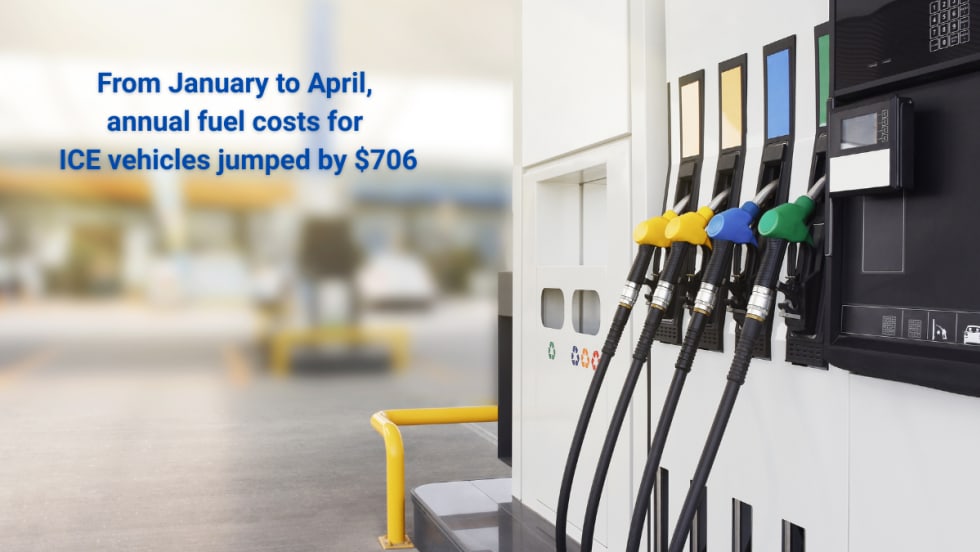
Study: How 2026's Gas Price Hikes Affect Different Vehicle Types
New data from iSeeCars reveals how rising fuel costs have affected different vehicle segments as gasoline prices climbed nearly 46% over the past four months.
Read More →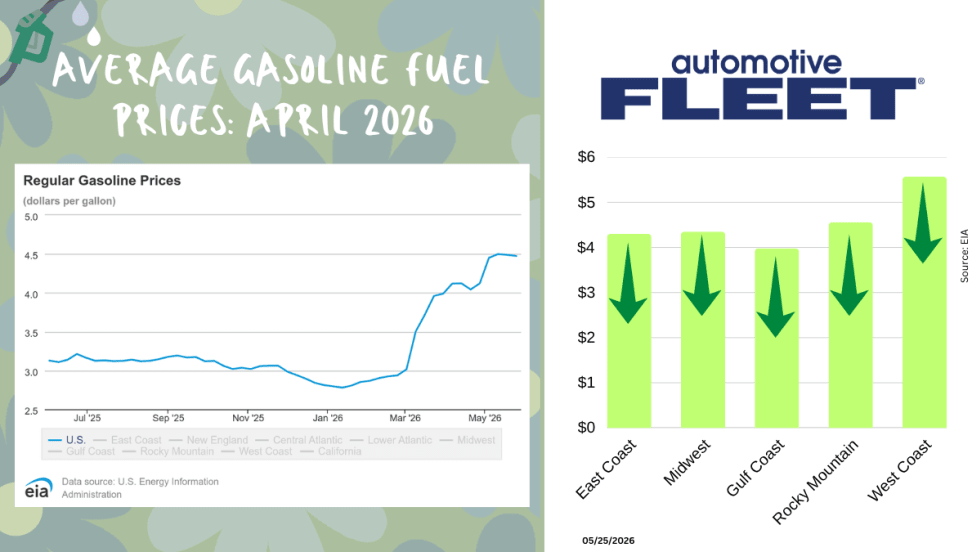
May Fuel Update: All Regions Experience Declines
Gas prices are finally easing in much of the country, but experts warn global tensions could quickly reverse the trend as the national average remains well above last month’s levels.
Read More →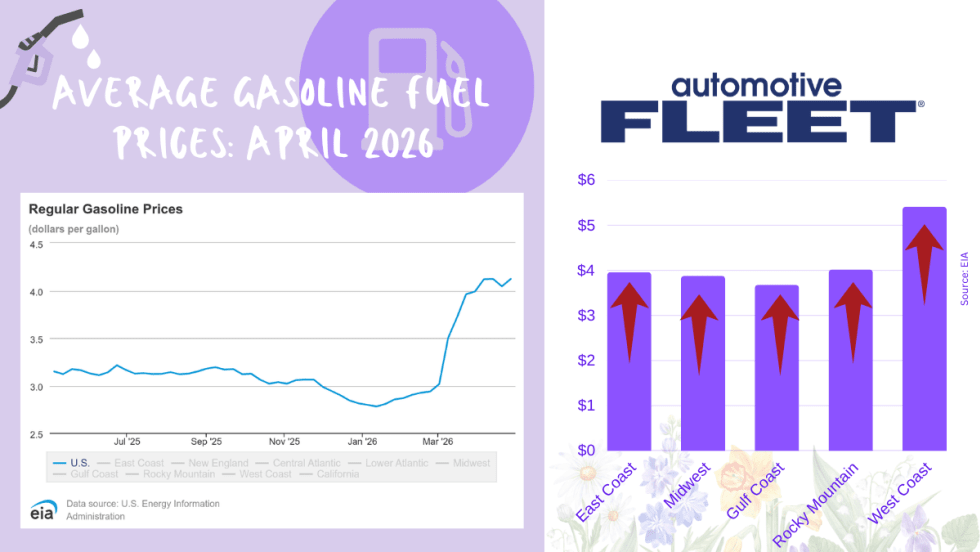
April Fuel Update: Prices Climb Above $4 as Spring Surge Accelerates
National average jumps to $4.04 per gallon, up sharply from last year, with West Coast prices topping $5 and further increases expected amid rising oil tensions.
Read More →
Tips from Fleet Managers on Saving Fuel Costs
Fleet leaders share practical strategies to reduce fuel spend through smarter policy, routing, and driver guidance.
Read More →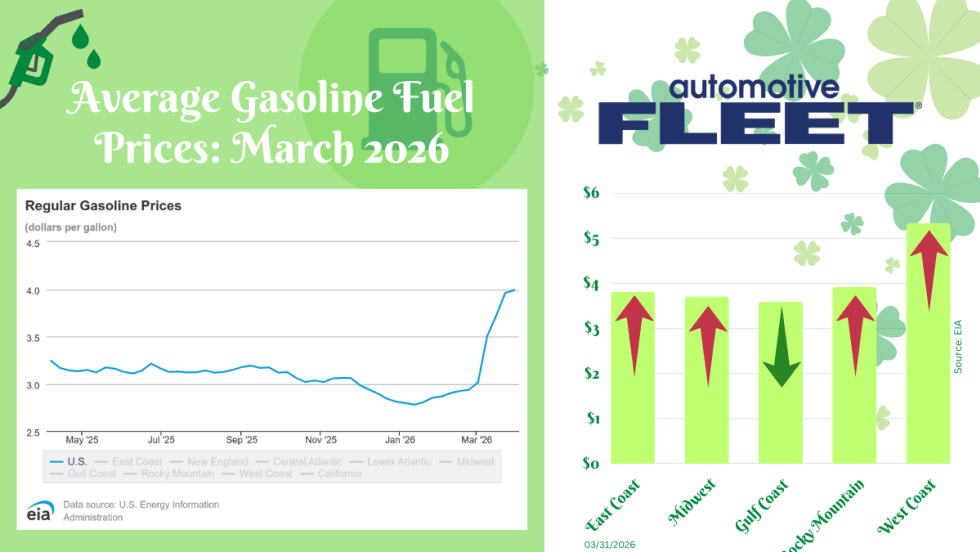
March Fuel Update: Prices Settle With a $4 Average
Fuel prices significantly slowed this week, but a $4 national average is still expected.
Read More →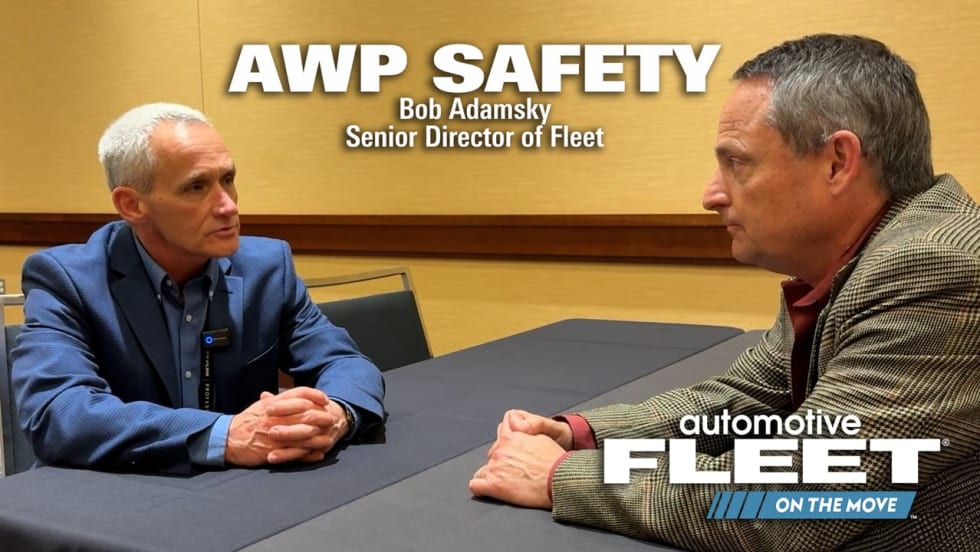
Bob Adamsky on Fuel Volatility: “Don’t Panic — Have a Plan”
With oil prices rising again, AWP Safety’s fleet manager shares how to respond to rising fuel costs and how the right strategy can turn fuel spikes into cost-saving opportunities.
Read More →
Oil Market Turbulence Is Complicating Fleet Cost Planning
Rapid swings in crude oil prices driven by the conflict in the Middle East could create longer-term cost pressures for fleets, affecting fuel prices, supply chains, and vehicle strategy, says NTEA’s Andrew Wrobel.
Read More →
Report: How AI Is Reshaping Fleet and Field Service Operations
AI is rapidly transforming fleet and field service operations, from predictive maintenance and intelligent scheduling to customer self-service and real-time diagnostics. But while organizations are seeing measurable gains in uptime, productivity, and efficiency, many are still navigating workforce adoption, cybersecurity concerns, and data readiness challenges. Explore the latest trends, investment priorities, and emerging AI use cases shaping the future of fleet operations.
Read More →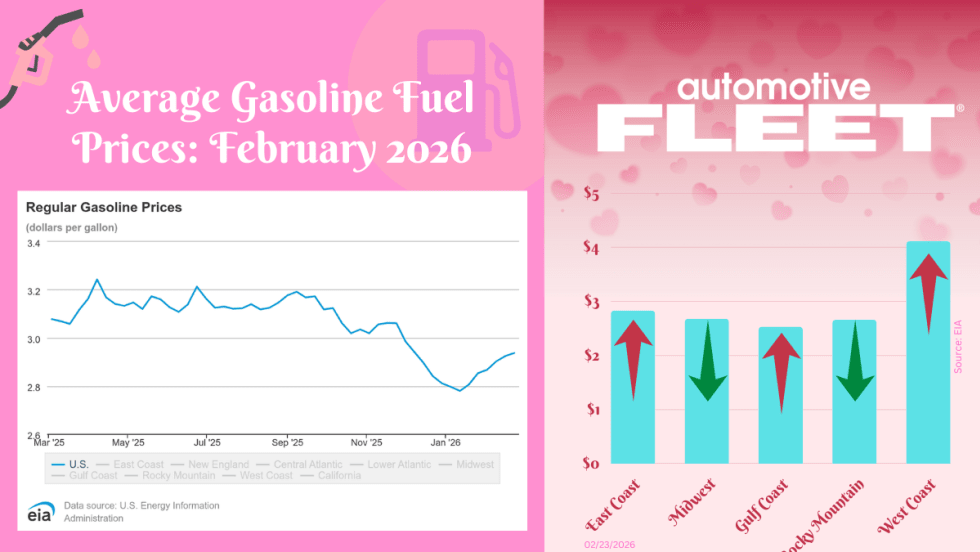
February Fuel Update: Prices Inch Higher for Third Week in a Row
The final February fuel update reveals prices continuing to inch higher for the third week in a row.
Read More →
The 2026 Fuel Economy Guide: Updated Cost and Efficiency Benchmarks for Fleets
Fleet managers can use the DOE’s 2026 Fuel Economy Guide to benchmark MPG across powertrain types using side-by-side vehicle ratings and compare new model-year options.
Read More →