




EPA Unveils Hydraulic Hybrid Diesel Delivery Truck
WASHINGTON, D.C. --- The U.S. Environmental Protection Agency (EPA) recently unveiled the first-ever series hydraulic hybrid diesel urban delivery vehicle, which will provide dramatic improvements in fuel economy and in emission reductions.
WASHINGTON, D.C. --- The U.S. Environmental Protection Agency (EPA) recently unveiled the first-ever series hydraulic hybrid diesel urban delivery vehicle, which will provide dramatic improvements in fuel economy and in emission reductions. The development of the hydraulic hybrid is the result of a partnership between the EPA, U.S. Army, UPS, International Truck and Engine Corporation and Eaton Corporation. The EPA and UPS plan to evaluate the vehicle's fuel economy performance and emissions during a series of tests in 2006. In laboratory testing, the EPA's patented hydraulic hybrid diesel technology achieved a 60 to 70 percent improvement in fuel economy and more than a 40 percent reduction in carbon dioxide emissions, compared to a conventional UPS vehicle. "EPA and our partners are not just delivering packages with this UPS truck --- we are delivering environmental benefits to the American people," said EPA Administrator Stephen L. Johnson. The EPA cited laboratory tests showing that the technology has the potential to dramatically improve the fuel economy of urban vehicles used in applications such as package delivery, shuttle and transit buses and refuse pick-up. The EPA estimated that when manufactured in high volume, the added costs of the hybrid components could be recouped in less than three years through lower fuel and brake maintenance costs. In the series hydraulic hybrid diesel, a high-efficiency diesel engine is combined with a unique hydraulic propulsion system, replacing the conventional drivetrain and transmission. The vehicle uses hydraulic pumps and hydraulic storage tanks to store energy, similar to what is done with electric motors and batteries in hybrid electric vehicles. Fuel economy is increased in three ways: vehicle braking energy is recovered that normally is wasted; the engine is operated more efficiently; and the engine can be shut off when stopped or decelerating. The diesel hydraulic hybrid truck is potentially eligible to qualify for a tax credit that is up to 40 percent of the incremental cost of the vehicle under a provision of the Energy Policy Act of 2005 for medium- and heavy-duty vehicles. UPS, International and Eaton have been working with the EPA and the U.S. Army's National Automotive Center on the hydraulic technology for several years. "The hydraulic hybrid technology is quite promising and we're eager to see how the vehicle performs in a real-world setting," said John Beystehner, chief operating officer of UPS. "We have led our industry in testing alternative fuel vehicles because fuel conservation is critical to our business. We believe the impact of this initiative will go far beyond our industry." UPS will test the hydraulic hybrid for the next several months. It will be used on a city route in the Detroit area, making daily deliveries to homes and businesses. Previously, UPS partnered with the EPA on its hydrogen fuel cell delivery vehicles, which have been part of the company's fleet since 2003. "The diesel hydraulic hybrid concept has the potential to offer our truck customers something very unique --- performance and near zero emissions with dramatic improvements in fuel economy," said Dee Kapur, International president -- Truck Group. "International is pleased to be a part of the integration of this technology into the entire vehicle system to provide true value to our customers." International has a history of close technical cooperation with the EPA Advanced Technology Division. In 2004, International, under a Cooperative Research and Development Agreement, began work on Clean Diesel Combustion technology to dramatically lower emissions inside the combustion chamber, minimizing the need for aftertreatment. International is a leading truck manufacturer in the medium duty and school bus market. These vehicles are typically in a mode of stop-and-go operation, which is the optimal mode of operation for the diesel hydraulic hybrid. "To continue to be a market leader, we need to pursue technological advancements that provide benefits to our customers. The diesel hydraulic hybrid is just such a technology," Kapur said. Eaton has been working with the EPA since October 2001 under a Cooperative Research and Development Agreement involving hydraulic hybrid systems. As part of the company's role in designing and developing hybrid technologies, Eaton engineers have been co-located at EPA's Ann Arbor, Mich., facility. Eaton is also working on a number of other hybrid vehicle initiatives with UPS, International and others.
More Fuel
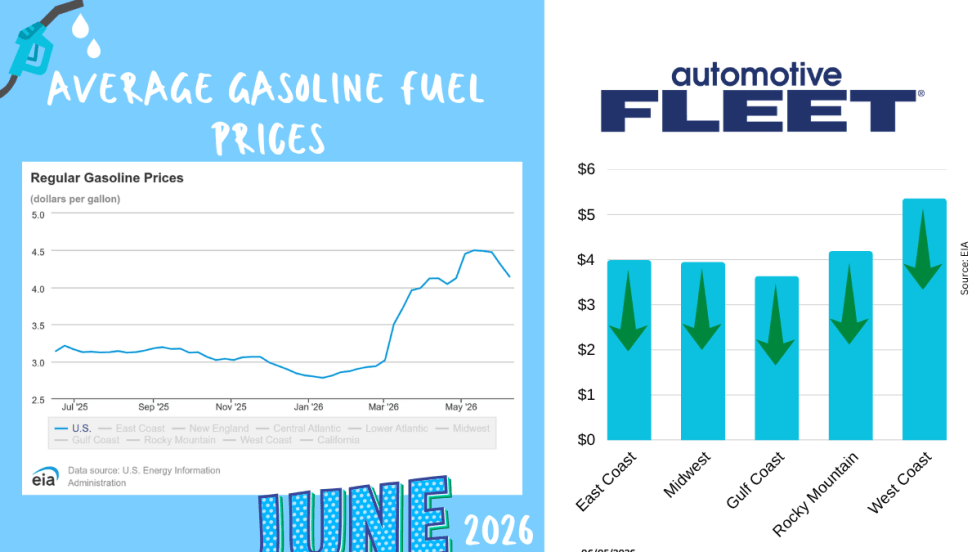
June Fuel Update: Prices Continue to Fall
While prices have continued to decline for four straight weeks, the next weeks don't look as promising.
Read More →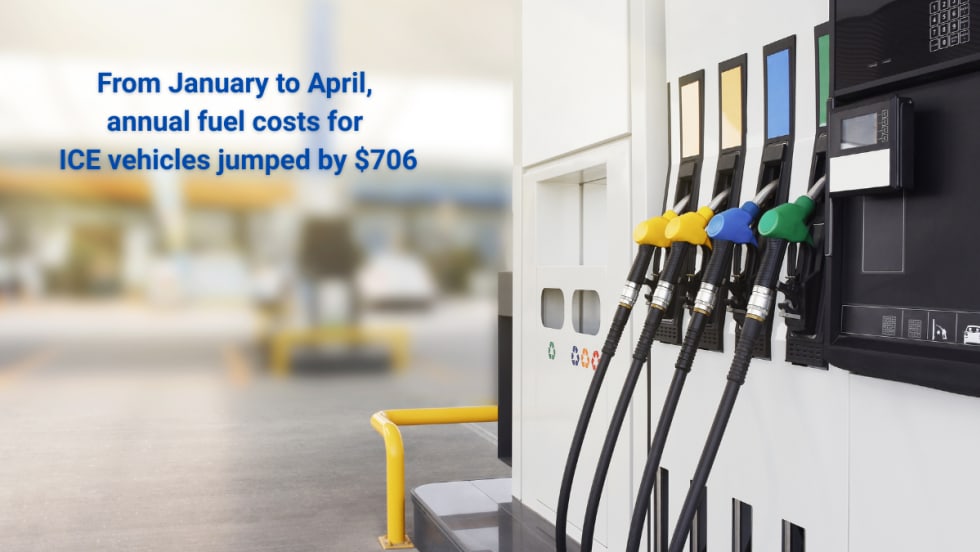
Study: How 2026's Gas Price Hikes Affect Different Vehicle Types
New data from iSeeCars reveals how rising fuel costs have affected different vehicle segments as gasoline prices climbed nearly 46% over the past four months.
Read More →
Are You Tracking Your Fleet's True Total Cost of Ownership?
Bobit Business Media surveyed 190 fleet professionals and found that while most fleets are tracking costs, fragmented systems and data gaps are keeping true TCO visibility out of reach. With rising pressure to control spend in an increasingly volatile environment, the gap between what fleets think they know and what the data actually shows is wider than you might expect. See how your peers are managing costs today and where the industry still has room to improve.
Read More →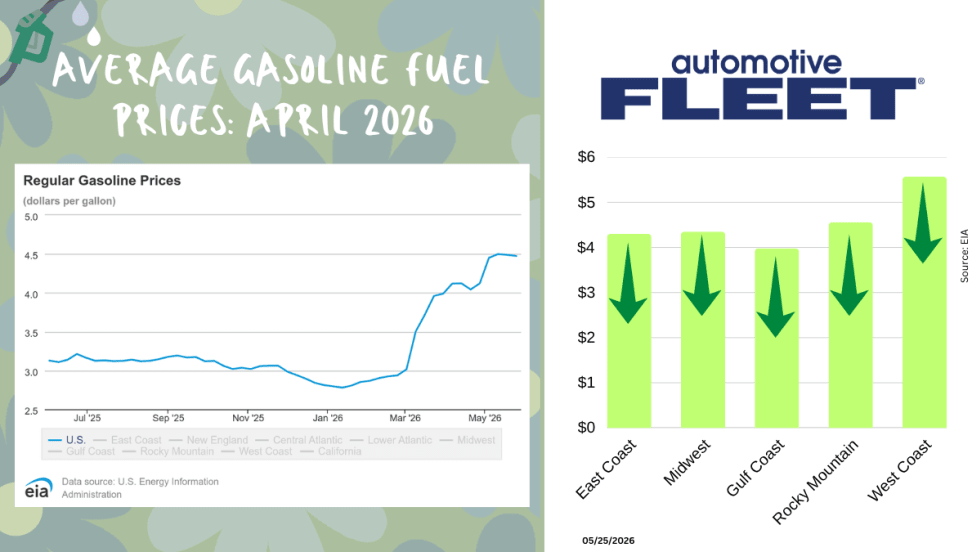
May Fuel Update: All Regions Experience Declines
Gas prices are finally easing in much of the country, but experts warn global tensions could quickly reverse the trend as the national average remains well above last month’s levels.
Read More →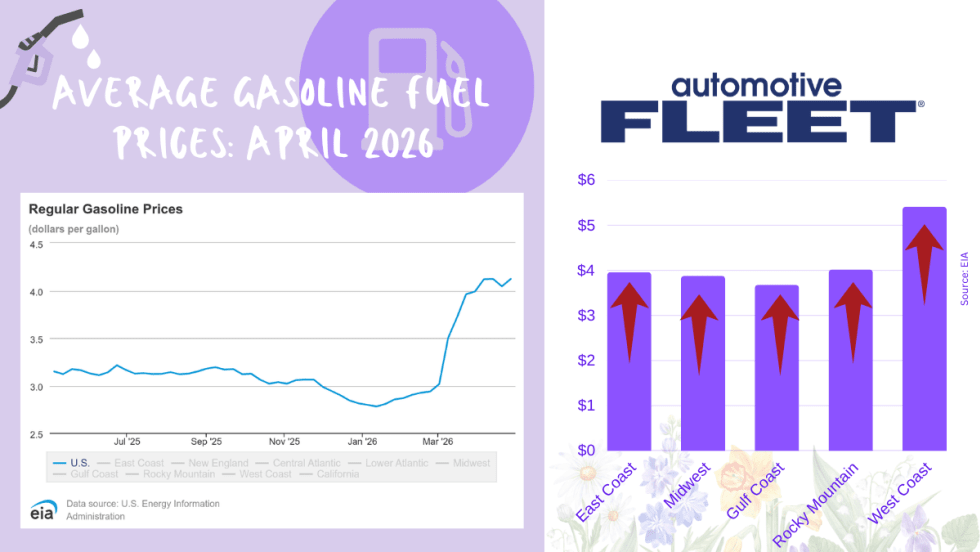
April Fuel Update: Prices Climb Above $4 as Spring Surge Accelerates
National average jumps to $4.04 per gallon, up sharply from last year, with West Coast prices topping $5 and further increases expected amid rising oil tensions.
Read More →
Tips from Fleet Managers on Saving Fuel Costs
Fleet leaders share practical strategies to reduce fuel spend through smarter policy, routing, and driver guidance.
Read More →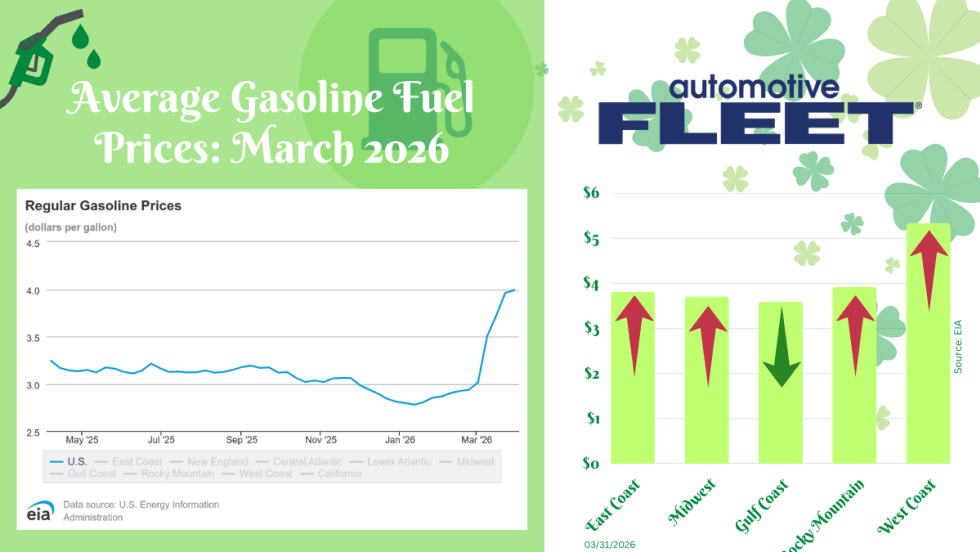
March Fuel Update: Prices Settle With a $4 Average
Fuel prices significantly slowed this week, but a $4 national average is still expected.
Read More →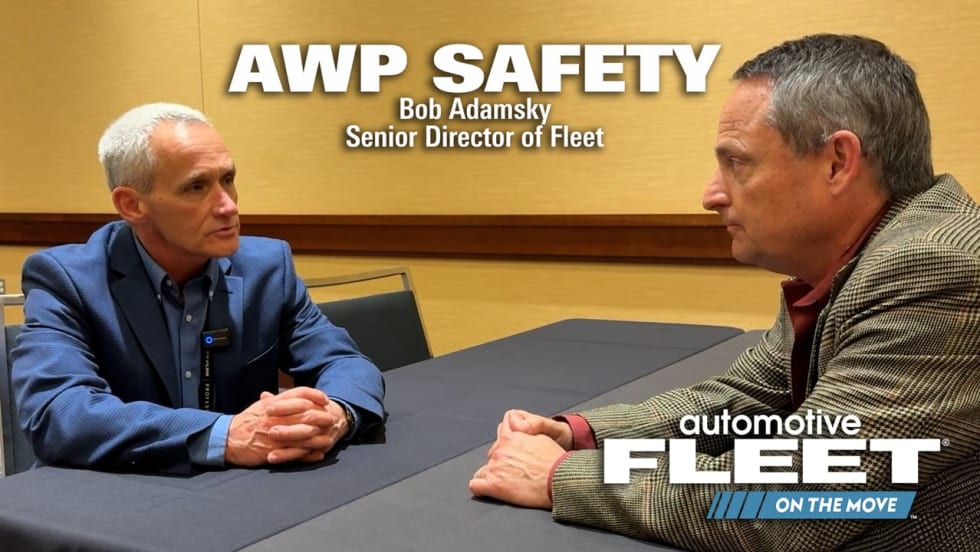
Bob Adamsky on Fuel Volatility: “Don’t Panic — Have a Plan”
With oil prices rising again, AWP Safety’s fleet manager shares how to respond to rising fuel costs and how the right strategy can turn fuel spikes into cost-saving opportunities.
Read More →
Oil Market Turbulence Is Complicating Fleet Cost Planning
Rapid swings in crude oil prices driven by the conflict in the Middle East could create longer-term cost pressures for fleets, affecting fuel prices, supply chains, and vehicle strategy, says NTEA’s Andrew Wrobel.
Read More →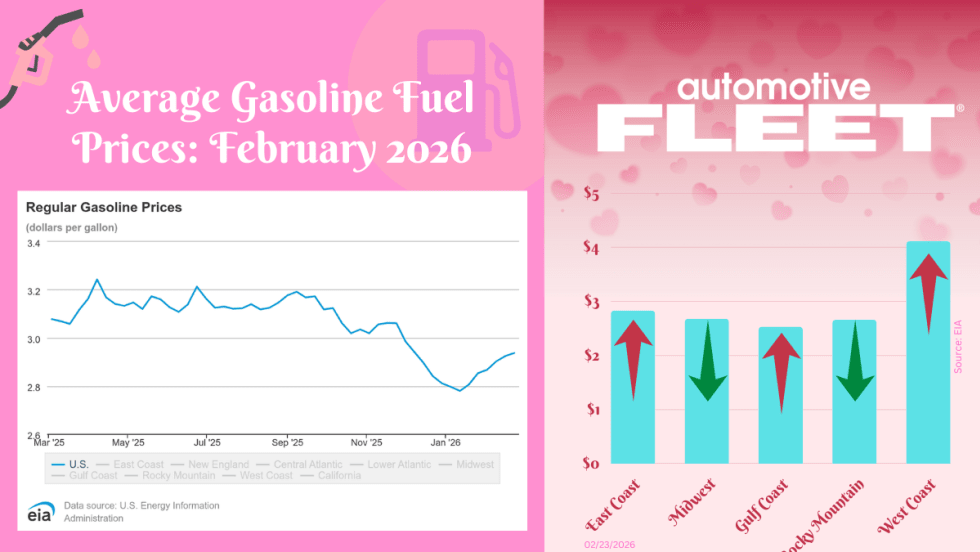
February Fuel Update: Prices Inch Higher for Third Week in a Row
The final February fuel update reveals prices continuing to inch higher for the third week in a row.
Read More →