




EPA Reports New Vehicles Continue to Improve Fuel Efficiency & Reduce Emissions
WASHINGTON - For the sixth consecutive year, the U.S. Environmental Protection Agency (EPA) is reporting a decrease in average carbon dioxide (CO2) emissions and a slight increase in the average fuel efficiency for new cars and light-duty trucks.
WASHINGTON - For the sixth consecutive year, the U.S. Environmental Protection Agency (EPA) is reporting a decrease in average carbon dioxide (CO2) emissions and a slight increase in the average fuel efficiency for new cars and light-duty trucks, according to EPA's annual report "Light-Duty Automotive Technology, Carbon Dioxide Emissions, and Fuel Economy Trends: 1975 through 2010."
EPA projects a small improvement in 2010, based on pre-model year sales estimates provided by automakers, to 395 grams of CO2 per mile and 22.5 mpg, though there is uncertainty in these projections as they were made during the atypical automotive market in 2009. The 2010 final data will be available in next year's report.
For 2009, the last year EPA has final data from automakers, the average CO2 emissions from new vehicles were 397 grams per mile and the average fuel economy value was 22.4 mpg.
The report confirms that average CO2 emissions have decreased and fuel economy has increased each year beginning in 2005. Average CO2 emissions have decreased by 64 grams per mile, or 14 percent, and average fuel economy has increased by 3.1 mpg, or 16 percent, since 2004. The positive trend beginning in 2005 reverses a long period of increasing CO2 emissions and decreasing fuel economy from 1987 through 2004, according to the EPA.
The annual report provides data on the CO2 emissions, fuel economy and technology characteristics of new light-duty vehicles (cars, minivans, sport utility vehicles, and pickup trucks).
The CO2 emissions and fuel economy values reflect EPA's best estimates of real world CO2 emissions and fuel economy performance. They are consistent with the fuel economy estimates that EPA provides on new vehicle window stickers and in the fuel economy guide. These real-world fuel economy values are about 20 percent lower, on average, than those used for compliance with the corporate average fuel economy (CAFE) program.
More information on the 2010 report is available at www.epa.gov/otaq/fetrends.htm.
More Fuel
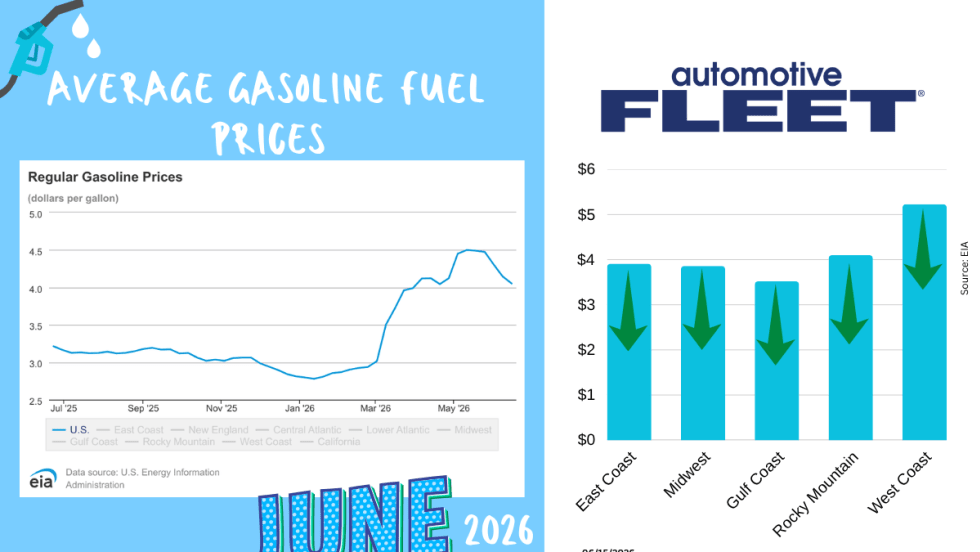
June Fuel Update: Prices Fall Below $4
Drivers are finally getting some relief at the pump. The national average gas price has dropped below $4 a gallon for the first time in months, with prices falling in 47 states as oil markets react to developments in U.S.-Iran negotiations.
Read More →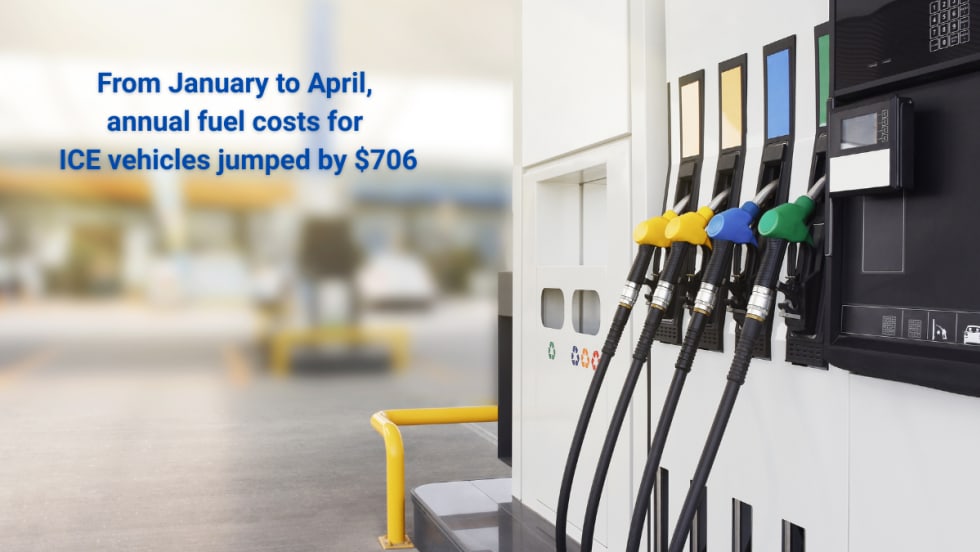
Study: How 2026's Gas Price Hikes Affect Different Vehicle Types
New data from iSeeCars reveals how rising fuel costs have affected different vehicle segments as gasoline prices climbed nearly 46% over the past four months.
Read More →
Are You Tracking Your Fleet's True Total Cost of Ownership?
Bobit Business Media surveyed 190 fleet professionals and found that while most fleets are tracking costs, fragmented systems and data gaps are keeping true TCO visibility out of reach. With rising pressure to control spend in an increasingly volatile environment, the gap between what fleets think they know and what the data actually shows is wider than you might expect. See how your peers are managing costs today and where the industry still has room to improve.
Read More →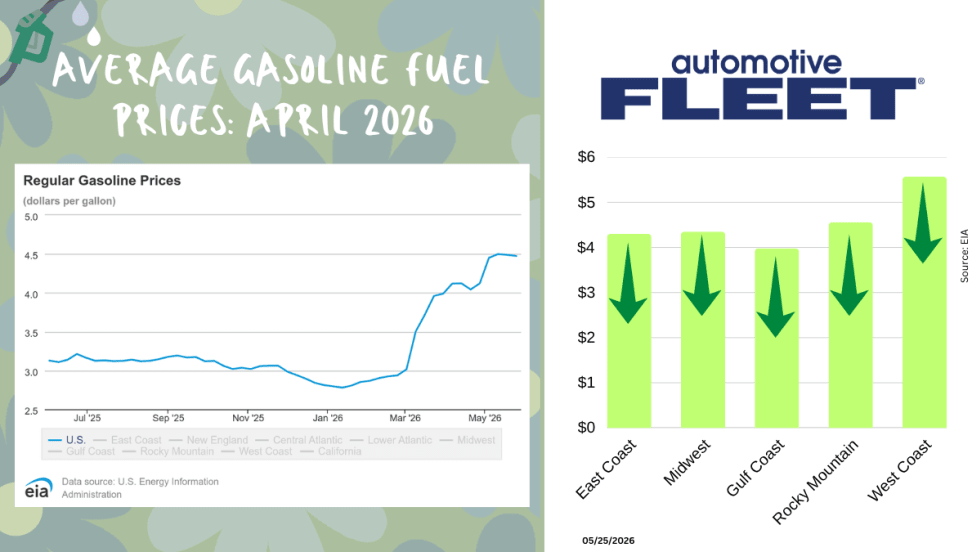
May Fuel Update: All Regions Experience Declines
Gas prices are finally easing in much of the country, but experts warn global tensions could quickly reverse the trend as the national average remains well above last month’s levels.
Read More →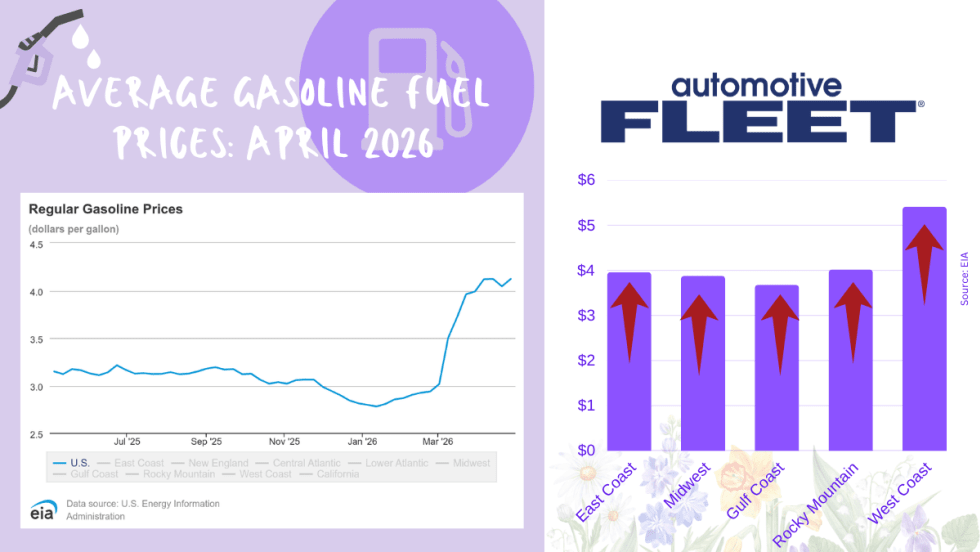
April Fuel Update: Prices Climb Above $4 as Spring Surge Accelerates
National average jumps to $4.04 per gallon, up sharply from last year, with West Coast prices topping $5 and further increases expected amid rising oil tensions.
Read More →
Tips from Fleet Managers on Saving Fuel Costs
Fleet leaders share practical strategies to reduce fuel spend through smarter policy, routing, and driver guidance.
Read More →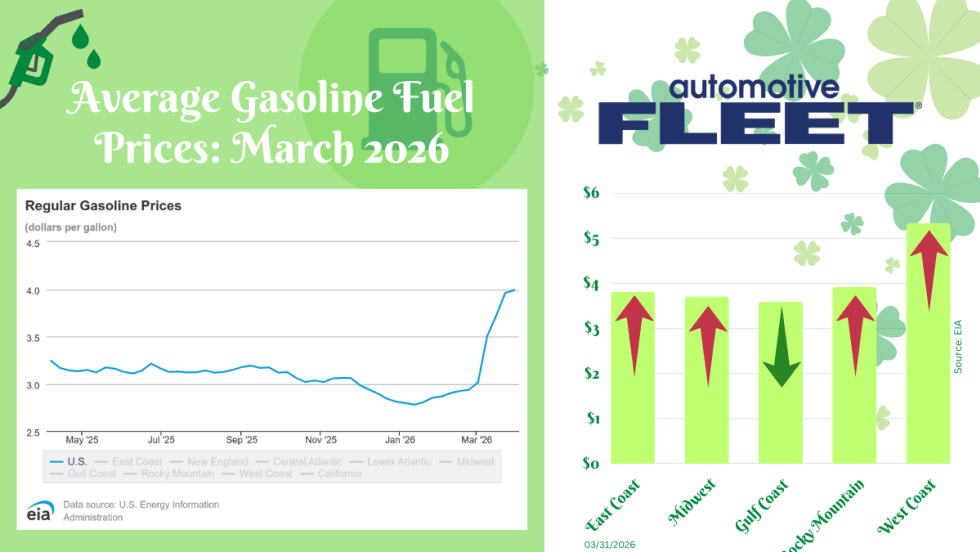
March Fuel Update: Prices Settle With a $4 Average
Fuel prices significantly slowed this week, but a $4 national average is still expected.
Read More →
Bob Adamsky on Fuel Volatility: “Don’t Panic — Have a Plan”
With oil prices rising again, AWP Safety’s fleet manager shares how to respond to rising fuel costs and how the right strategy can turn fuel spikes into cost-saving opportunities.
Read More →
Oil Market Turbulence Is Complicating Fleet Cost Planning
Rapid swings in crude oil prices driven by the conflict in the Middle East could create longer-term cost pressures for fleets, affecting fuel prices, supply chains, and vehicle strategy, says NTEA’s Andrew Wrobel.
Read More →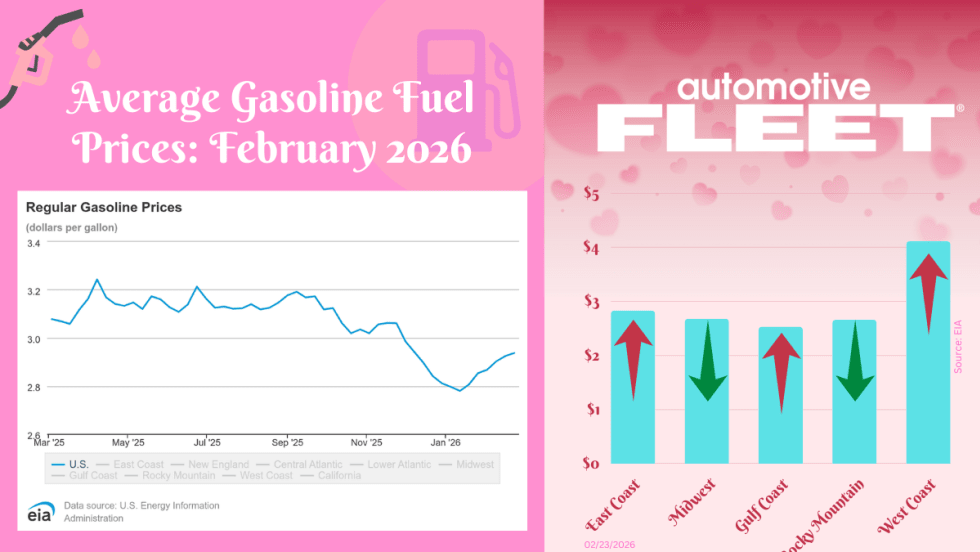
February Fuel Update: Prices Inch Higher for Third Week in a Row
The final February fuel update reveals prices continuing to inch higher for the third week in a row.
Read More →