




EPA Proposes Increasing Renewable Fuel Volumes
The U.S. Environmental Protection Agency issued a proposed rule that would set the minimum amount of renewable fuels that must be supplied to the market in 2020, as well as the biomass-based diesel volume standards for 2021.


EPA Administrator Andrew Wheeler issued the statement under the federal government's Renewable Fuel Standards (RFS).
Photo of a Renewable Energy Group (REG) Seneca biofuel refinery courtesy of REG.
The U.S. Environmental Protection Agency issued a proposed rule that raised the amount of renewable fuels that must be supplied to the market in 2020 by 0.12 billion gallons, while biomass-based diesel volume standards for 2021 are stagnant. Overall, the EPA maintained flat required volumes.
Andrew Wheeler, the EPA's administrator, issued the statement under the federal government's Renewable Fuel Standards. Proposed increases for 2020 includes making the advanced biofuel volume requirement for 2020 set for 5.04 billion gallons, 0.12 billion high than the 2019 requirement, according to the EPA.
"It shouldn't have a major impact on a fleet who is already operating on biofuels," said Kaleb Little, director of communications for the National Biodiesel Board. "However, it's a missed opportunity. If EPA's proposal had grown the volumes, there would be more biofuels in the supply chain. Basic supply and demand would say that could help lower costs."
Meanwhile, the cellulosic biofuel volume requirement of 0.54 billion ethanol-equivalent gallons for 2020 is 0.12 billion higher than that which was finalized for 2019. These figures leave a 15 billion gallon requirement for conventional renewable fuels such as corn ethanol, which is flat with 2019.
Further in the future, the EPA is also proposing to maintain the biomass-based diesel volume for 2021 at 2.43 billion gallons.
More Green Fleet
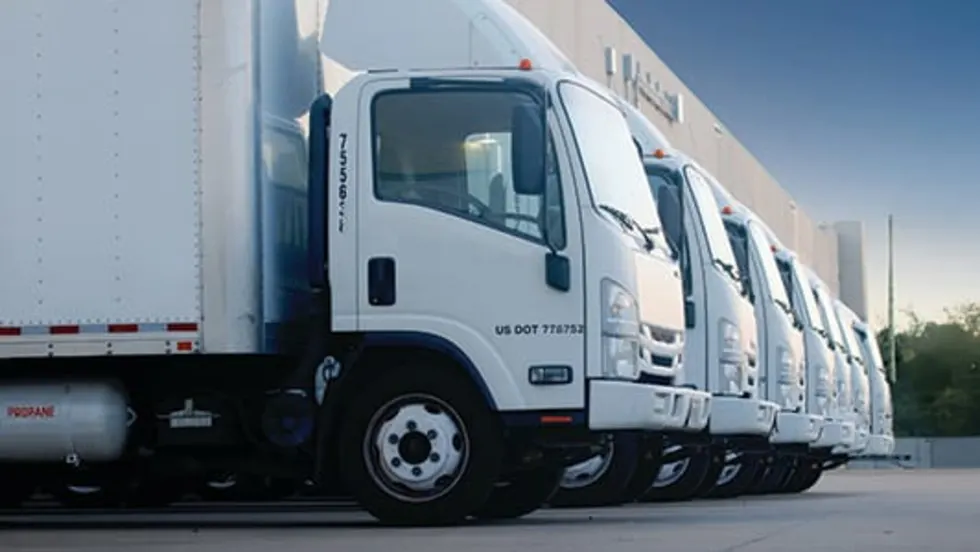
New Propane Autogas Program Offers Fleet Compensation
Qualified commercial fleets can receive $7,500 per eligible propane autogas vehicle and up to $10,000 for new refueling site prep. Learn how the program works and see whether your fleet qualifies.
Read More →
EV Charging Use Is Outpacing Infrastructure Growth
ChargePoint’s 2026 Charging Forward Report points to rising charger use, higher-powered charging, commercial vehicle electrification, and energy-management technology. Here’s what fleets should know.
Read More →
Merchants Fleet Reports 290M EV Miles as Fleets Navigate Changing Electrification Market
From millions in operating savings to hundreds of millions of EV miles, Merchants Fleet’s latest report reveals what’s working and what’s changing in fleet electrification.
Read More →

The EV Breakdown Nobody's Talking About: Why Most Electric Vehicle Roadside Calls Aren't Mechanical Failures
Here's why EV breakdowns are widely misunderstood.
Read More →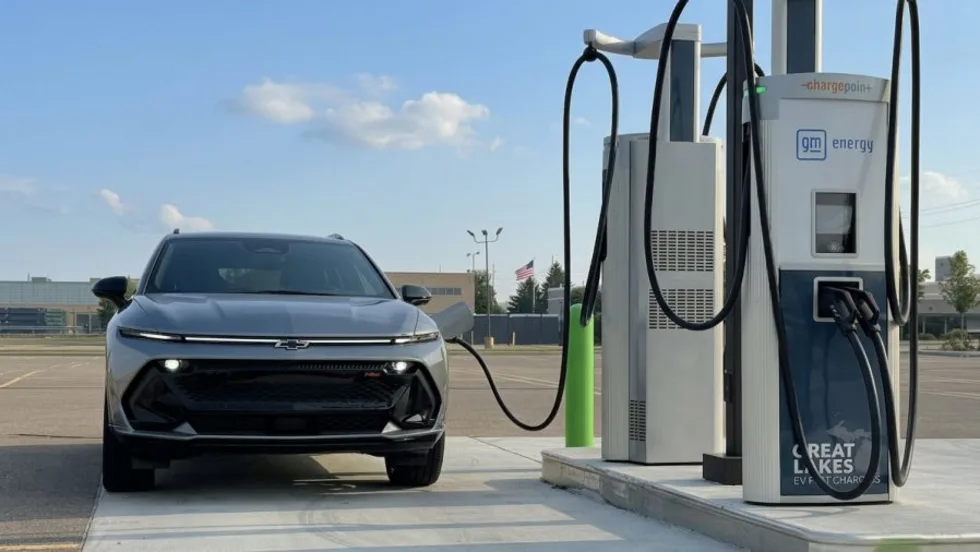
ChargePoint Now Available in Energy Pass
ChargePoint and additional planned charging network integrations were added to GM's Energy Pass.
Read More →

First Look: Slate Auto's Electric Fleet Pickup
Could an affordable, modular EV pickup make electrification more practical for fleets?
Read More →
Slate Debuts Colorful, Unique EV Models
A recent media and client event, studded with electric vehicles dressed up on platforms, planted a new position for the manufacturer in the wider EV market. Fleets will find cost-saving advantages.
Read More →
Slate Electric SUV, Pickup Switchable Model Aims For Light-Duty Fleets
Everything about this EV is counterintuitive and understated, making it stand out from the crowd.
Read More →
Inspiration Mobility Acquires Key Electrada Assets
Inspiration Mobility Group has acquired select assets of Electrada, adding the fleet electrification provider's team, technology, and charging infrastructure development capabilities to its energy management business.
Read More →