




EPA Grants E15 Waiver for MY 2001-2006 Cars, Light Trucks
WASHINGTON - The U.S. Environmental Protection Agency (EPA) on Jan. 21 waived a limitation on selling gasoline that contains more than 10 percent ethanol for model year (MY) 2001 through 2006 passenger vehicles, including cars, SUVs and light pickup trucks. The waiver applies to fuel that contains up to 15-percent ethanol, known as E15.
WASHINGTON - The U.S. Environmental Protection Agency (EPA) on Jan. 21 waived a limitation on selling gasoline that contains more than 10 percent ethanol for model year (MY) 2001 through 2006 passenger vehicles, including cars, SUVs and light pickup trucks. The waiver applies to fuel that contains up to 15-percent ethanol, known as E15.
EPA Administrator Lisa P. Jackson said she made the decision after a review of Department of Energy tests and other available data on E15's effect on emissions from MY 2001-2006 cars and light trucks.
"Recently completed testing and data analysis show that E15 does not harm emissions-control equipment in newer cars and light trucks," Jackson said. "Wherever sound science and the law support steps to allow more home-grown fuels in America's vehicles, this administration takes those steps."
In October 2010, EPA approved a waiver allowing the use of E15 for MY 2007 and newer cars and light trucks. At that time, EPA denied a request to allow the use of E15 for MY 2000 and older vehicles and postponed its decision on the use of E15 in MY 2001 to 2006 cars and light trucks until DOE completed additional testing for those model years.
The agency also announced that no waiver is being granted this year for E15 use in any motorcycles, heavy-duty vehicles or non-road engines because current testing data does not support such a waiver.
These waivers represent one of a number of actions that are needed from federal, state and industry to commercialize E15 gasoline blends. Also, EPA said it is developing requirements to ensure that E15 is properly labeled at the gas pump. The label will be designed to prevent refueling into vehicles, engines and equipment not currently approved for the higher ethanol blend.
E15 is a blend of 15-percent ethanol and 85-percent gasoline. The primary source of ethanol is corn, but other grains or biomass sources may be used such as corn cobs, cornstalks and switchgrass.
The Energy Independence and Security Act of 2007 mandated an increase in the overall volume of renewable fuels into the marketplace, reaching a 36 billion gallon total in 2022. Ethanol is considered a renewable fuel because it is produced from plant products or wastes and not from fossil fuels. Ethanol is blended with gasoline for use in most areas across the country.
EPA said it granted the waiver after considering the E15 petition submitted by ethanol industry group Growth Energy and 54 ethanol manufacturers in March 2009. In April 2009, EPA sought public comment on the petition and received about 78,000 comments.
The petition was submitted under a Clean Air Act provision that allows EPA to waive the act's prohibition against the sale of a significantly altered fuel if the petitioner shows that the new fuel will not cause or contribute to the failure of engine and other emission-related parts that ensure compliance with emission standards.
The E15 waiver request drew opposition from automakers, which argued that further testing on the effects of E15 fuel on MY 2001-2006 cars and light trucks was needed. After EPA announced it was granting the waiver, the Alliance of Automobile Manufacturers released the following statement:
"The Alliance is still reviewing the announcement, but we have no reason to believe that EPA has adequately addressed the concerns that the Alliance and others have raised for months now related to the adequacy of testing. Consumers should continue to consult their owners' manuals for information regarding the appropriate fuel for their vehicles.
Any new fuel's success depends on how it's accepted by consumers, and automakers still have concerns on behalf of our customers. We believe more research is needed to determine how increased ethanol levels could affect vehicles that were designed and warranted for E10. Although we are part of a wide coalition challenging the initial E15 partial waiver decision, we have made no decisions on our response to today's announcement. "
The Alliance of Automobile Manufacturers is a trade association of 12 car and light truck manufacturers, including BMW Group, Chrysler, Ford Motor Co., General Motors, Jaguar Land Rover, Mazda, Mercedes-Benz USA, Mitsubishi Motors, Porsche, Toyota, Volkswagen and Volvo.
More Green Fleet
EV Charging Use Is Outpacing Infrastructure Growth
ChargePoint’s 2026 Charging Forward Report points to rising charger use, higher-powered charging, commercial vehicle electrification, and energy-management technology. Here’s what fleets should know.
Read More →
Merchants Fleet Reports 290M EV Miles as Fleets Navigate Changing Electrification Market
From millions in operating savings to hundreds of millions of EV miles, Merchants Fleet’s latest report reveals what’s working and what’s changing in fleet electrification.
Read More →
The EV Breakdown Nobody's Talking About: Why Most Electric Vehicle Roadside Calls Aren't Mechanical Failures
Here's why EV breakdowns are widely misunderstood.
Read More →
ChargePoint Now Available in Energy Pass
ChargePoint and additional planned charging network integrations were added to GM's Energy Pass.
Read More →
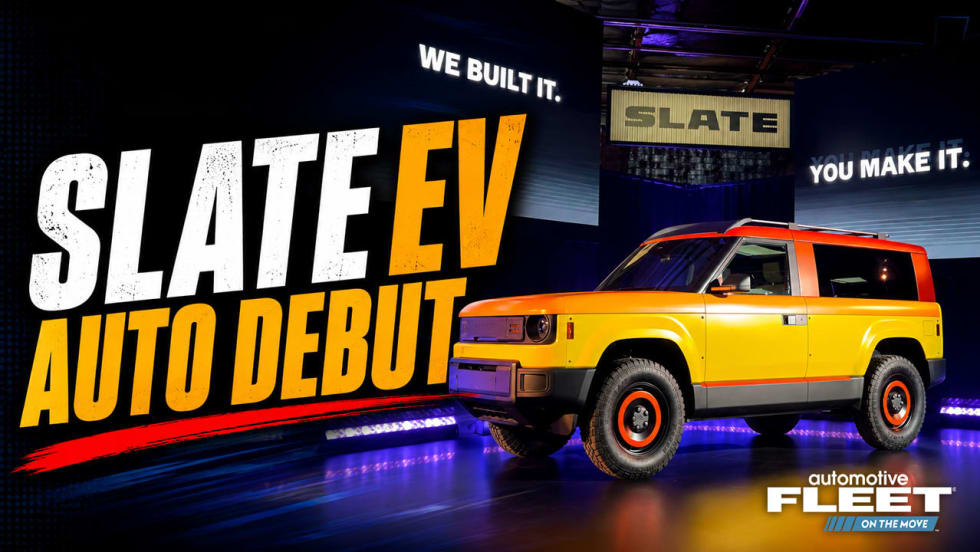
First Look: Slate Auto's Electric Fleet Pickup
Could an affordable, modular EV pickup make electrification more practical for fleets?
Read More →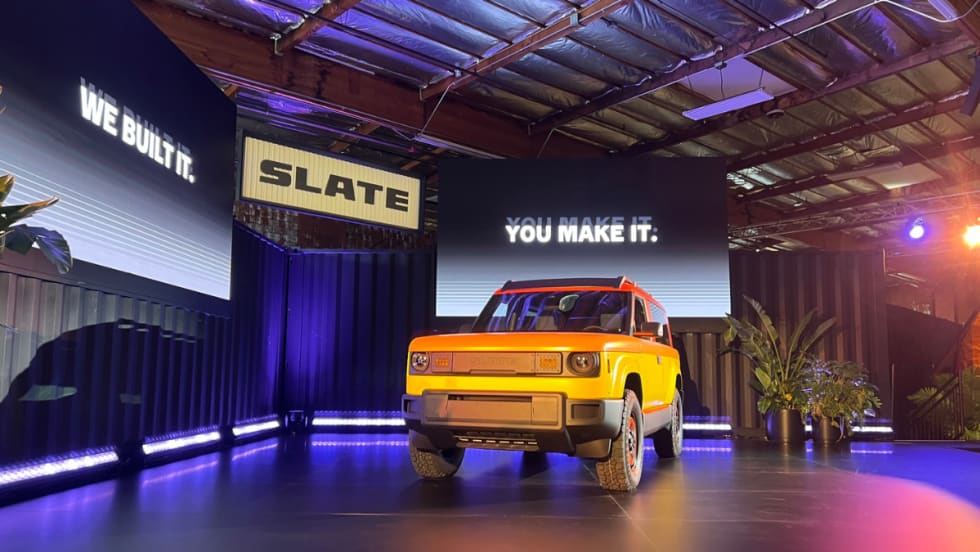
Slate Debuts Colorful, Unique EV Models
A recent media and client event, studded with electric vehicles dressed up on platforms, planted a new position for the manufacturer in the wider EV market. Fleets will find cost-saving advantages.
Read More →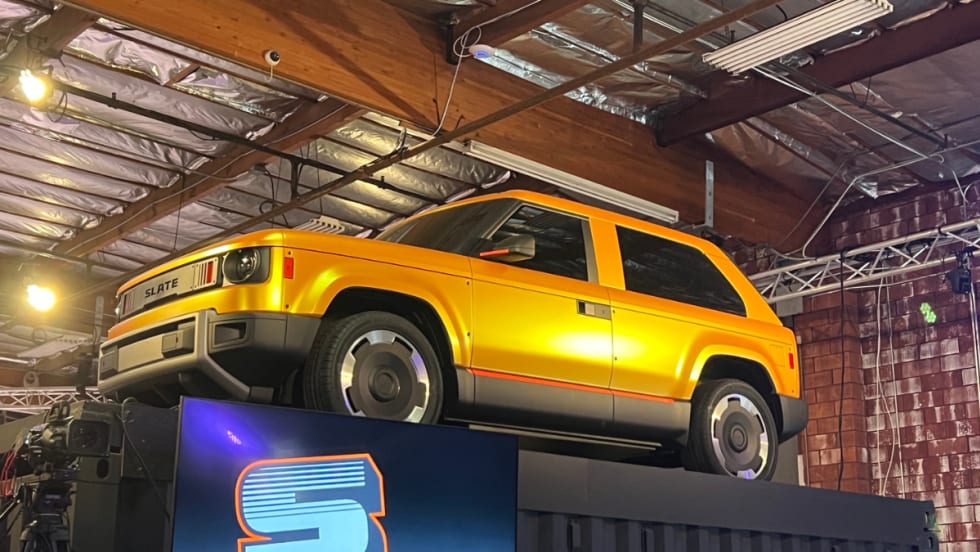
Slate Electric SUV, Pickup Switchable Model Aims For Light-Duty Fleets
Everything about this EV is counterintuitive and understated, making it stand out from the crowd.
Read More →
Inspiration Mobility Acquires Key Electrada Assets
Inspiration Mobility Group has acquired select assets of Electrada, adding the fleet electrification provider's team, technology, and charging infrastructure development capabilities to its energy management business.
Read More →
Turning Connected Vehicle Data Into Decisions That Matter
Fleet leaders have more data than ever, but turning that data into clear, actionable decisions remains a challenge. This white paper shows how leading organizations are using connected vehicle data to improve safety, reduce costs, and optimize fleet performance. Learn how to turn insight into action across your fleet.
Read More →