




EPA Collaborative Helps Curb School Bus Emissions
DALLAS, Texas --- The Environmental Protection Agency and its Blue Skyways Collaborative announced more than $678,000 in grants to communities in Arkansas, Louisiana, Oklahoma and Texas to help cut air pollution from school buses.
DALLAS, Texas --- The Environmental Protection Agency and its Blue Skyways Collaborative announced more than $678,000 in grants to communities in Arkansas, Louisiana, Oklahoma and Texas to help cut air pollution from school buses. In Texas, the North Central Texas Council of Governments was awarded $176,674 to retrofit and replace an estimated 60 school buses throughout a 16-county area. The project is expected to reduce more than 24,000 pounds of smog-forming pollutants and 840 pounds of particulate matter per year. A second grant of $145,049 was also awarded to the Capital Area Council of Governments to retrofit 40 diesel-powered buses in two school districts, purchase more than 200,000 gallons of biodiesel fuel, and buy one plug-in, diesel-electric hybrid bus. That project is expected to reduce more than 16,000 pounds of smog-forming pollutants and 560 pounds of particulate matter per year. "Blue Skyways is helping to equip buses with the latest technologies, so we can reduce their emissions by up to 90 percent," said EPA Regional Administrator Richard E. Greene. The goal of the grant program is to reduce children's exposure to diesel exhaust and the amount of air pollution created by diesel school buses. While pollution from diesel vehicles has health implications for everyone, it is especially harmful to children. Diesel exhaust contains nitrogen oxides, fine particles (soot) and air toxics. Nitrogen oxides are precursors of ozone (smog) and, when breathed in, fine particles can lodge deep in the lungs. The Blue Skyways Collaborative was formed in 2006 to encourage voluntary air emissions reductions throughout North America's heartland. Collaborative partners work to make this goal possible through implementation of projects that use innovations in diesel equipment, alternative fuels, renewable energy technologies and energy efficiency. With more than $271 million in projects, the program currently saves 125 million gallons of fuel per year, cuts 505,000 tons per year in greenhouse gases and reduces 40,000 tons per year in air pollutants. The collaborative's clean school bus program focuses specifically on bringing together partners from business, education, transportation and public health organizations to eliminate unnecessary bus idling, retrofit buses and replace the oldest buses with new, less polluting ones.
More Fuel
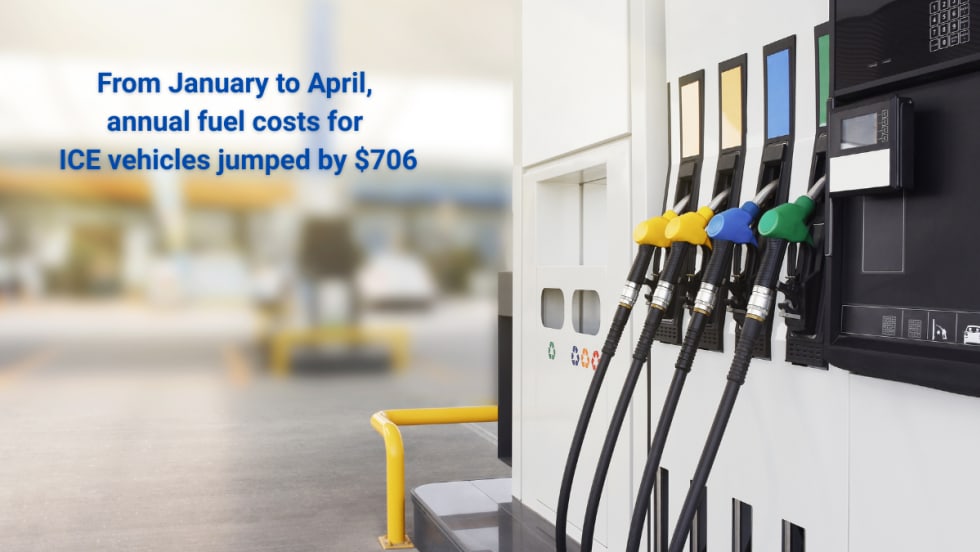
Study: How 2026's Gas Price Hikes Affect Different Vehicle Types
New data from iSeeCars reveals how rising fuel costs have affected different vehicle segments as gasoline prices climbed nearly 46% over the past four months.
Read More →
Are You Tracking Your Fleet's True Total Cost of Ownership?
Bobit Business Media surveyed 190 fleet professionals and found that while most fleets are tracking costs, fragmented systems and data gaps are keeping true TCO visibility out of reach. With rising pressure to control spend in an increasingly volatile environment, the gap between what fleets think they know and what the data actually shows is wider than you might expect. See how your peers are managing costs today and where the industry still has room to improve.
Read More →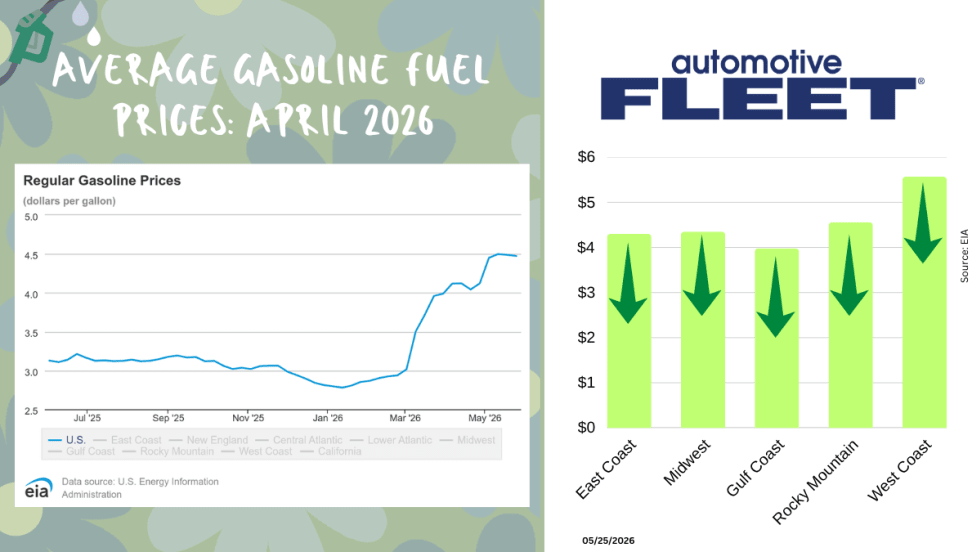
May Fuel Update: All Regions Experience Declines
Gas prices are finally easing in much of the country, but experts warn global tensions could quickly reverse the trend as the national average remains well above last month’s levels.
Read More →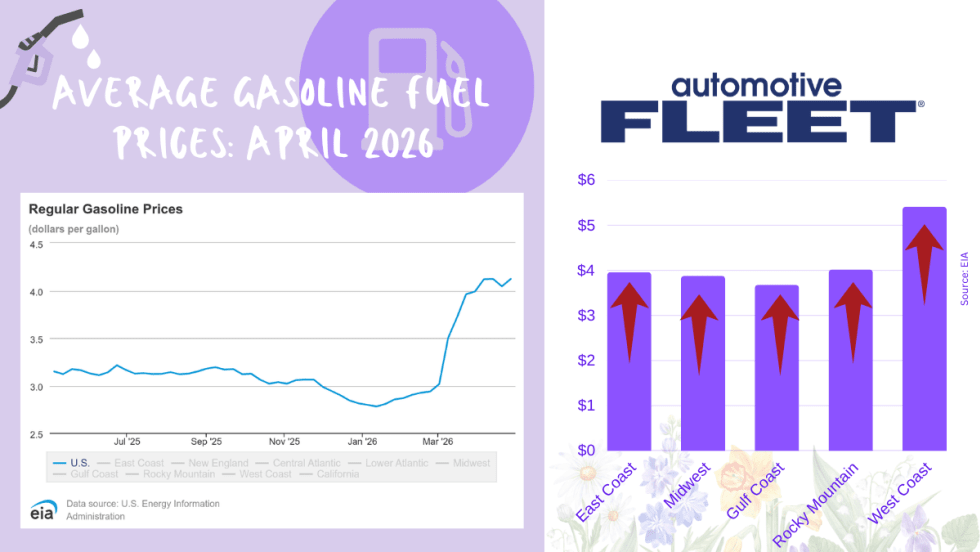
April Fuel Update: Prices Climb Above $4 as Spring Surge Accelerates
National average jumps to $4.04 per gallon, up sharply from last year, with West Coast prices topping $5 and further increases expected amid rising oil tensions.
Read More →
Tips from Fleet Managers on Saving Fuel Costs
Fleet leaders share practical strategies to reduce fuel spend through smarter policy, routing, and driver guidance.
Read More →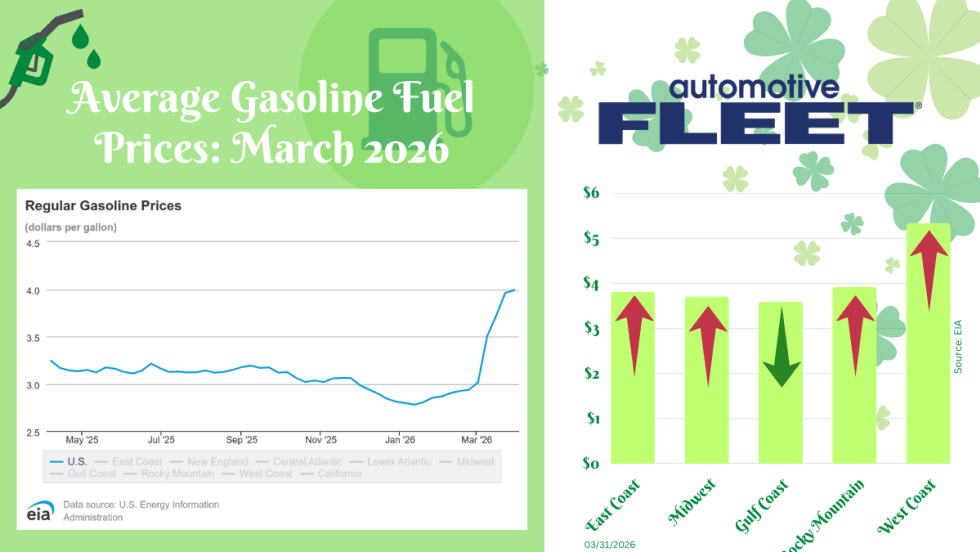
March Fuel Update: Prices Settle With a $4 Average
Fuel prices significantly slowed this week, but a $4 national average is still expected.
Read More →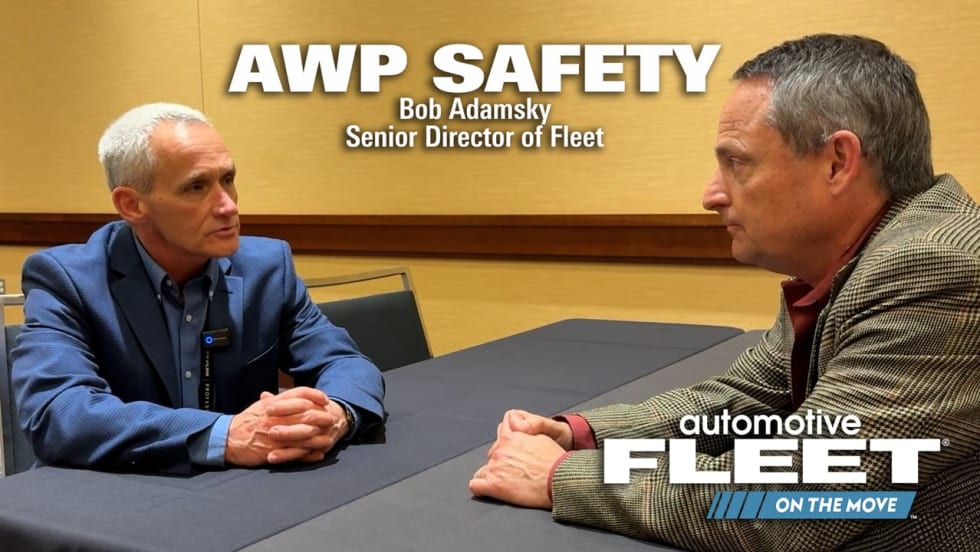
Bob Adamsky on Fuel Volatility: “Don’t Panic — Have a Plan”
With oil prices rising again, AWP Safety’s fleet manager shares how to respond to rising fuel costs and how the right strategy can turn fuel spikes into cost-saving opportunities.
Read More →
Oil Market Turbulence Is Complicating Fleet Cost Planning
Rapid swings in crude oil prices driven by the conflict in the Middle East could create longer-term cost pressures for fleets, affecting fuel prices, supply chains, and vehicle strategy, says NTEA’s Andrew Wrobel.
Read More →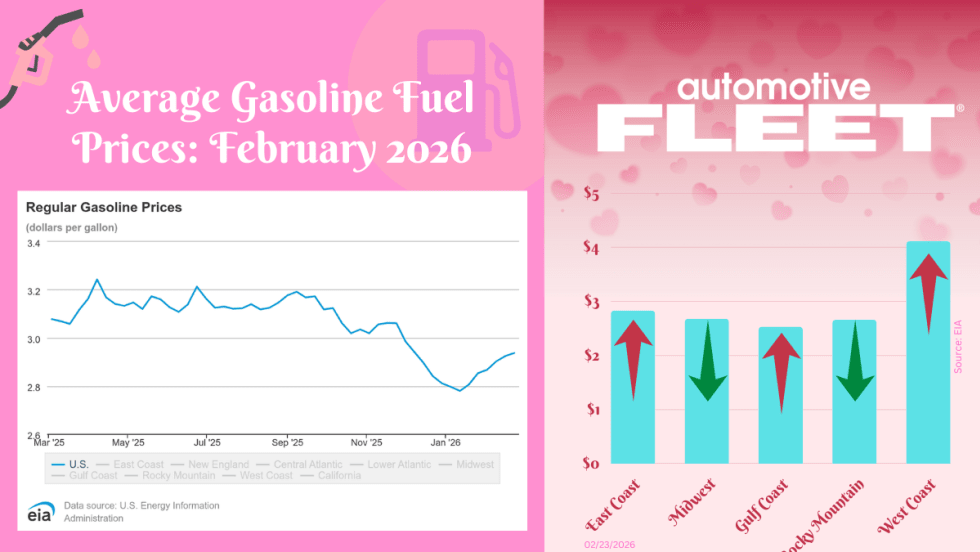
February Fuel Update: Prices Inch Higher for Third Week in a Row
The final February fuel update reveals prices continuing to inch higher for the third week in a row.
Read More →
The 2026 Fuel Economy Guide: Updated Cost and Efficiency Benchmarks for Fleets
Fleet managers can use the DOE’s 2026 Fuel Economy Guide to benchmark MPG across powertrain types using side-by-side vehicle ratings and compare new model-year options.
Read More →