




Energy Dept. Helps Fund Biorefinery Projects in Wisconsin, Louisiana
WASHINGTON, D.C. --- The U.S. Department of Energy selected two small-scale cellulosic biorefinery projects in Park Falls, Wis., and Jennings, La., for federal funding of up to $40 million over five years.
WASHINGTON, D.C. --- The U.S. Department of Energy selected two small-scale cellulosic biorefinery projects in Park Falls, Wis., and Jennings, La., for federal funding of up to $40 million over five years.
The department said the projects will further President Bush's goal of making cellulosic ethanol cost-competitive with corn-based ethanol by 2012, and help reduce America's gasoline use by expanding the availability of alternative and renewable transportation fuels.
"To meet our growing energy demand we must continue to research and advance clean energy solutions to improve our energy security, reduce greenhouse gas emissions -- and clean, sustainable cellulosic biofuels do just that,” DOE Assistant Secretary Andy Karsner said. "These biorefineries will create fuel from non-food based sources to power our vehicles and reduce our dependence on foreign oil."
On average, commercial-scale biorefineries process roughly 700 tons or more of non-food feedstock per day, with an output of approximately 15-30 million gallons a year (MMGY) of biofuels. These smaller-scale facilities will input approximately 70 tons of feedstock per day -– with outputs ranging from 1.5 to 6 MMGY. The selected small-scale projects will produce liquid transportation fuels such as cellulosic ethanol from wood, energy crops and agricultural waste products.
These two biorefinery projects are the final round of selections for the department's competitive small-scale biorefinery solicitation. Earlier this year, DOE selected seven other projects, comparable in size and scope, to receive up to a total of $200 million. With the addition of the two new projects, the selected biorefinery projects will receive up to a total of $240 million in DOE funding, subject to appropriations, over the next five fiscal years. Once federal funding is combined with industry cost share, more than $735 million will be invested in these nine projects, over the next four to five years.
This project is part of more than $1 billion in investment that DOE has announced for multi-year biofuels research and development projects.
Cellulosic ethanol is an alternative fuel made from a wide variety of plant materials or non-food based feedstocks, including agricultural wastes such as corn stover; forest wastes such as saw dust and forest thinnings; and energy crops, such as switchgrass.
In studies conducted by scientists at DOE's Argonne National Laboratory, compared with conventional gasoline, ethanol produced from cellulosic materials requires as much as 90 percent less fossil energy to produce and has the potential to reduce greenhouse gas emissions by more than 86 percent over the lifecycle.
Negotiations between the following companies and DOE will begin immediately to determine final project plans and funding levels:
** Flambeau River Biofuels (FRB) LLC of Park Falls, Wis.-- The proposed biorefinery will be installed in an existing pulp and paper mill in Park Falls, Wis., and will produce liquid fuels from abundant and renewable cellulosic (wood) biomass. The biorefinery will not be dependent on any food-based feedstock materials, but rather on by-product or residuals from forest and agricultural sources. When completed, the facility will produce at least 1 trillion BTUs of renewable energy for the host mill and 6 million gallons of transportation (sulfur-free diesel) fuels per year.
FRB participants/investors include: ANL Consultants, Auburn University, Brigham Young University, Citigroup Global Markets, CleanTech Partners, Emerging Fuels Technology, Flambeau River Papers, Johnson Timber, National Renewable Energy Lab, Michigan Technological University, NC State University, Oak Ridge National Laboratory, ThermoChem Recovery International, University of Wisconsin, and the USDA Forest Products Laboratory.
** Verenium Biofuels Corp. of Jennings, La. -- Construction of Verenium's 1.5 million gallon-per-year demonstration-scale cellulosic ethanol facility is underway and is scheduled to be complete in late 2008. The project is moving rapidly to commercialize its proprietary technology for the production of ethanol from a wide array of biomass feedstocks, including sugarcane bagasse, agricultural byproducts, waste wood products and other non-food based energy crops. The Jennings, Louisiana demonstration plant is operated by Verenium Corp., which was formed in 2007 through a merger of Celunol Corp. and Diversa Corp.
More Green Fleet

Everything You Need to Know About Renewable Diesel
Learn how renewable diesel works, how it differs from biodiesel, and what work truck fleets should know about costs, emissions, and performance.
Read More →
EV Charging Use Is Outpacing Infrastructure Growth
ChargePoint’s 2026 Charging Forward Report points to rising charger use, higher-powered charging, commercial vehicle electrification, and energy-management technology. Here’s what fleets should know.
Read More →
Merchants Fleet Reports 290M EV Miles as Fleets Navigate Changing Electrification Market
From millions in operating savings to hundreds of millions of EV miles, Merchants Fleet’s latest report reveals what’s working and what’s changing in fleet electrification.
Read More →
The EV Breakdown Nobody's Talking About: Why Most Electric Vehicle Roadside Calls Aren't Mechanical Failures
Here's why EV breakdowns are widely misunderstood.
Read More →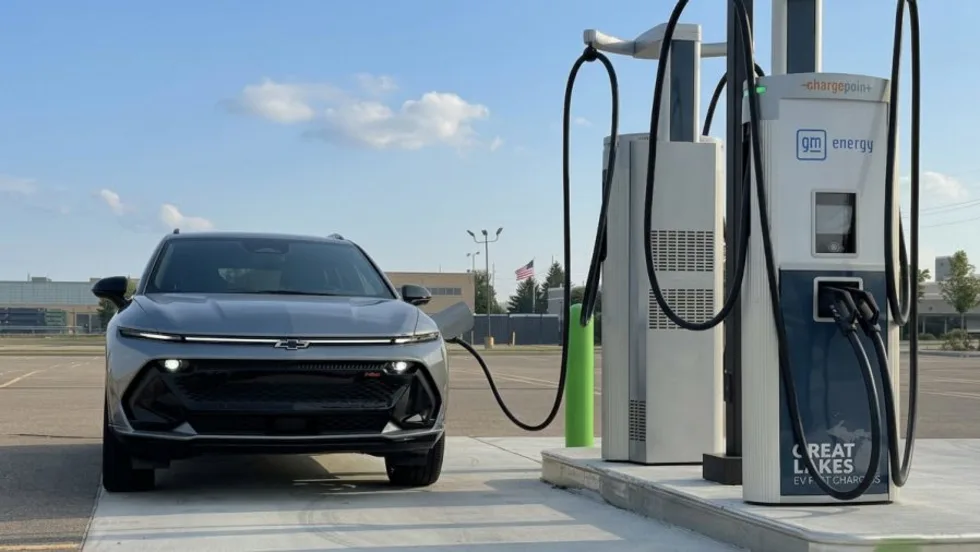
ChargePoint Now Available in Energy Pass
ChargePoint and additional planned charging network integrations were added to GM's Energy Pass.
Read More →

First Look: Slate Auto's Electric Fleet Pickup
Could an affordable, modular EV pickup make electrification more practical for fleets?
Read More →
Slate Debuts Colorful, Unique EV Models
A recent media and client event, studded with electric vehicles dressed up on platforms, planted a new position for the manufacturer in the wider EV market. Fleets will find cost-saving advantages.
Read More →
Slate Electric SUV, Pickup Switchable Model Aims For Light-Duty Fleets
Everything about this EV is counterintuitive and understated, making it stand out from the crowd.
Read More →
Inspiration Mobility Acquires Key Electrada Assets
Inspiration Mobility Group has acquired select assets of Electrada, adding the fleet electrification provider's team, technology, and charging infrastructure development capabilities to its energy management business.
Read More →