




Electronics to Improve Performance in 2004 Explorer
Ford Motor Co. announced June 20 that electronic throttle control (ETC) is one of several new technologies it will introduce next year as standard equipment on the 2004 Explorer to help increase its fuel economy by about 5 percent while reducing emissions.

Ford Motor Co. announced June 20 that electronic throttle control (ETC) is one of several new technologies it will introduce next year as standard equipment on the 2004 Explorer to help increase its fuel economy by about 5 percent while reducing emissions. Ford says ETC will enhance the performance feel of the Explorer. Both engines available on the 2004 Ford Explorer, the 4.0-liter V-6 and the 4.6-liter V-8, will feature "drive-by-wire," a torque-based, "intelligent" ETC with a gasoline engine. Advanced engine computing power is the key to optimizing the operation of this technology. Ford says its Powertrain Control Module (PCM) and Electric Controller Area Network (CAN) will work together to provide power on demand to the driver for more responsive "tip-in." According to Ford, a number of other technologies to be introduced on the 2004 Explorer also helps improve its fuel economy by reducing friction and parasitic energy loss. These technologies include coated pistons, torque converter upgrade, electronic returnless fuel system, low rolling resistance tires, synthetic rear axle lube, and an advanced exhaust gas return (EGR) system. "Bundling together several technologies will enable us to deliver to our Explorer customers improvements in fuel efficiency while further lowering emissions levels," said Bob Himes, engineering director - Ford SUV product development. "This is all part of the difficult work in cost-effectively engineering technologies that increase fuel efficiency without taking away any of the capabilities that have made Explorer the top-selling SUV." Metro-highway fuel economy for the most popular 2004 model - the 4x4 with V-6 engine - is expected to increase to 20 mpg from 19 mpg on the 2003 Explorer. Fuel economy for the base model (4x2 V-6) will increase to 21 mpg from 20 mpg metro-highway. Similarly, metro-highway fuel economy for Explorers with the optional V-8 engine will increase to 19 mpg on 4x4 models from 18 mpg on the 2003 Explorer, and 20 mpg for 4x2 models from 19 mpg on the 2003, according to the company. The 2004 Explorer equipped with 4.6-liter V-8 engine will meet the U.S. federal government's new standard for Low Emission Vehicles (LEV II). "We will introduce the Ford Escape Hybrid next year that will be the cleanest SUV available while delivering nearly 40 mpg in stop-and-go city driving," said Himes. Ford made the 2004 Explorer announcement at FutureTruck 2002, an advanced vehicle competition sponsored by Ford, The U.S. Department of Energy, the National Science Foundation, Cisco Systems, and other organizations that concludes this week in California after a week of evaluation events at Ford's Arizona Proving Grounds. FutureTruck 2002 is a competition in which teams of engineering students from 15 universities throughout North America re-engineer Ford Explorers with alternative propulsion systems to maximize fuel efficiency and minimize the impact of greenhouse gases without compromising safety, performance, or customer appeal.
More Fuel

Turning Fleet Payment Data into Executive Insights
Ramel Lindsay of U.S. Bank Voyager discusses how fleets can transform payment and transaction data into actionable intelligence to reduce costs, improve oversight, and support executive decision-making.
Read More →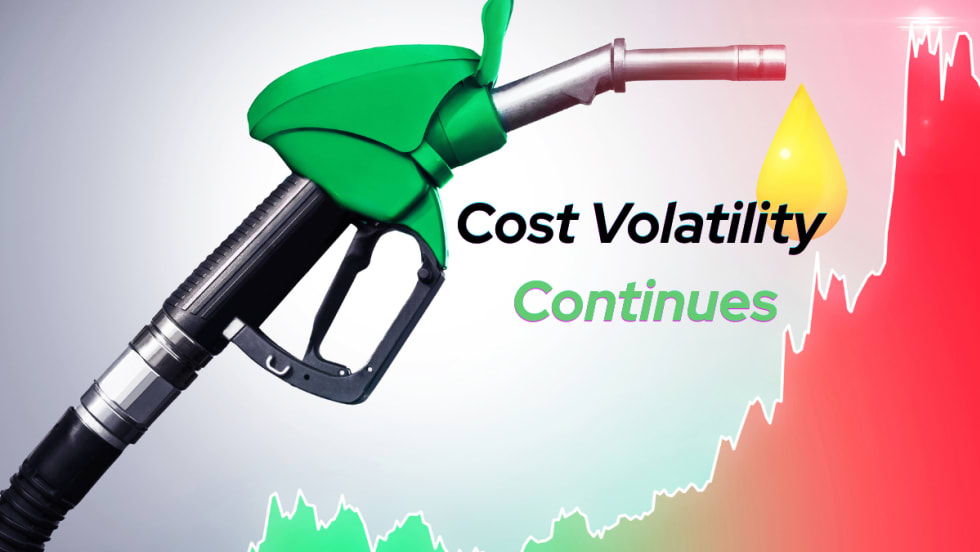
Why the IRS Raised Its Mileage Rate in the Middle of 2026
Fuel-price volatility drove the rare increase to 76 cents per mile, the fifth midyear adjustment since 2000.
Read More →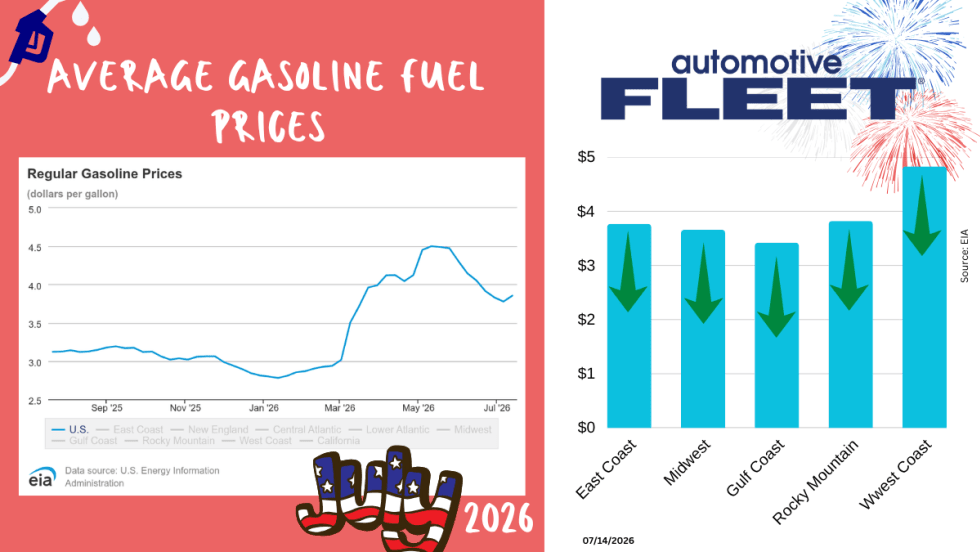
July Fuel Update: Prices Jump for the First Time in Two Months
As the U.S.-Iran ceasefire collapses, so do the gas prices.
Read More →
Bob Adamsky on Fuel Volatility: "Don't Panic, Have a Plan."
When it comes to up and down fuel prices, Adamsky has a message for fleets: “Don’t panic.”
Read More →
How Fleets Can Gain Control of Non-Fuel Spend
Fuel often gets the spotlight, but non-fuel expenses can have a major impact on fleet costs. Ramel Lindsay of U.S. Bank Voyager discusses how fleets can gain better visibility and control over these often-overlooked expenditures.
Read More →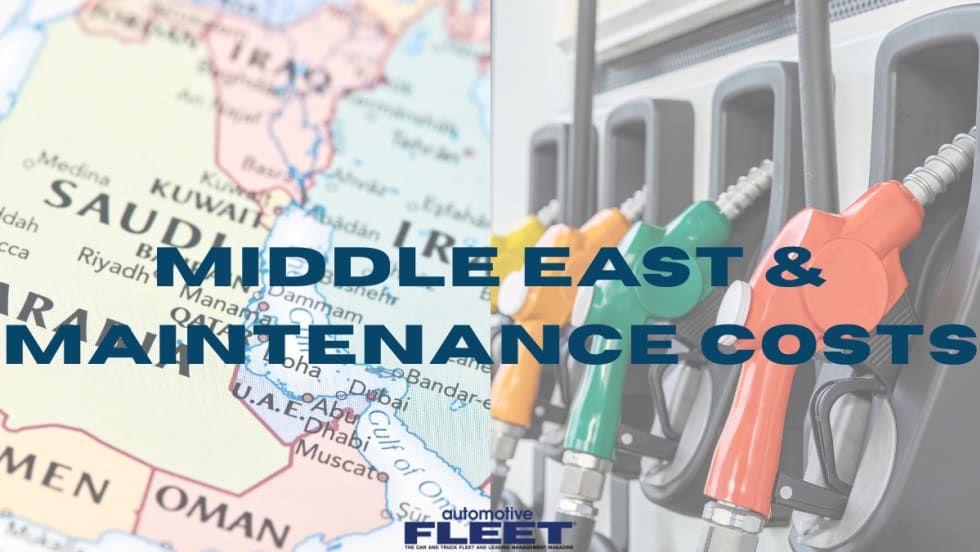
Fuel is Just the Start: How Middle East Tensions are Driving Up Fleet Maintenance Costs
The Middle East conflict is doing more than pushing up fuel prices. It’s also raising the cost of key maintenance products your fleet depends on, from motor oil to tires to windshield wipers. Here’s what you need to know about this budget-busting situation.
Read More →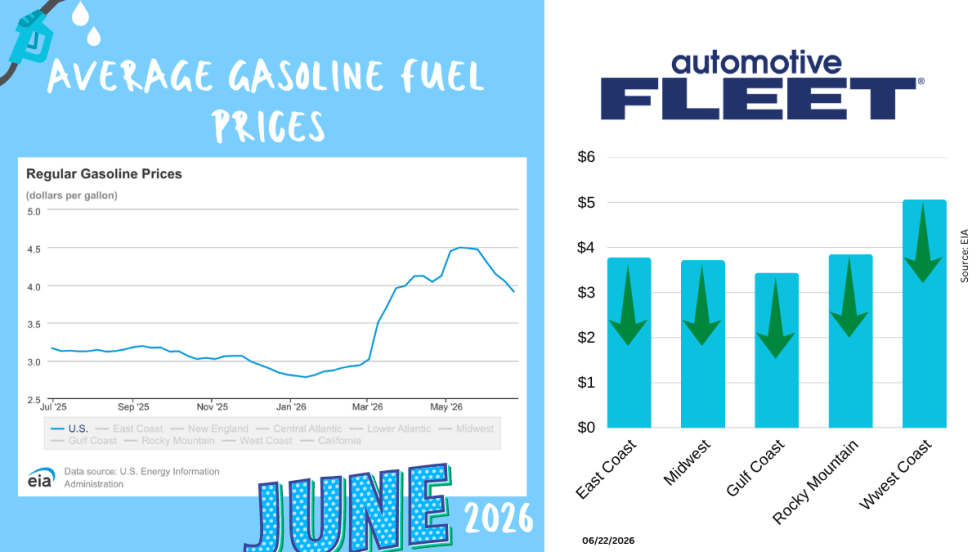
June Fuel Update: Prices Fall Below $4
Drivers are finally getting some relief at the pump. The national average gas price has dropped below $4 a gallon for the first time in months, with prices falling in 47 states as oil markets react to developments in U.S.-Iran negotiations.
Read More →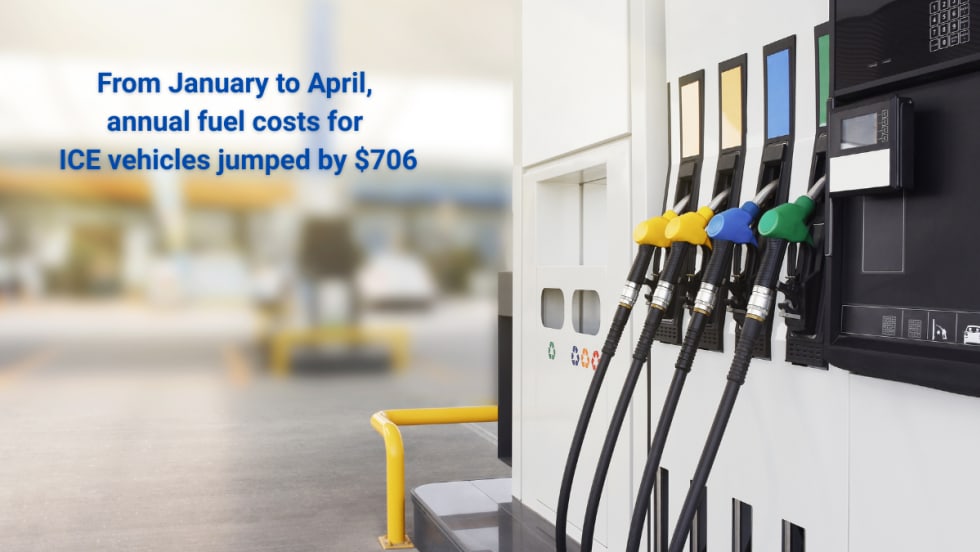
Study: How 2026's Gas Price Hikes Affect Different Vehicle Types
New data from iSeeCars reveals how rising fuel costs have affected different vehicle segments as gasoline prices climbed nearly 46% over the past four months.
Read More →
Are You Tracking Your Fleet's True Total Cost of Ownership?
Bobit Business Media surveyed 190 fleet professionals and found that while most fleets are tracking costs, fragmented systems and data gaps are keeping true TCO visibility out of reach. With rising pressure to control spend in an increasingly volatile environment, the gap between what fleets think they know and what the data actually shows is wider than you might expect. See how your peers are managing costs today and where the industry still has room to improve.
Read More →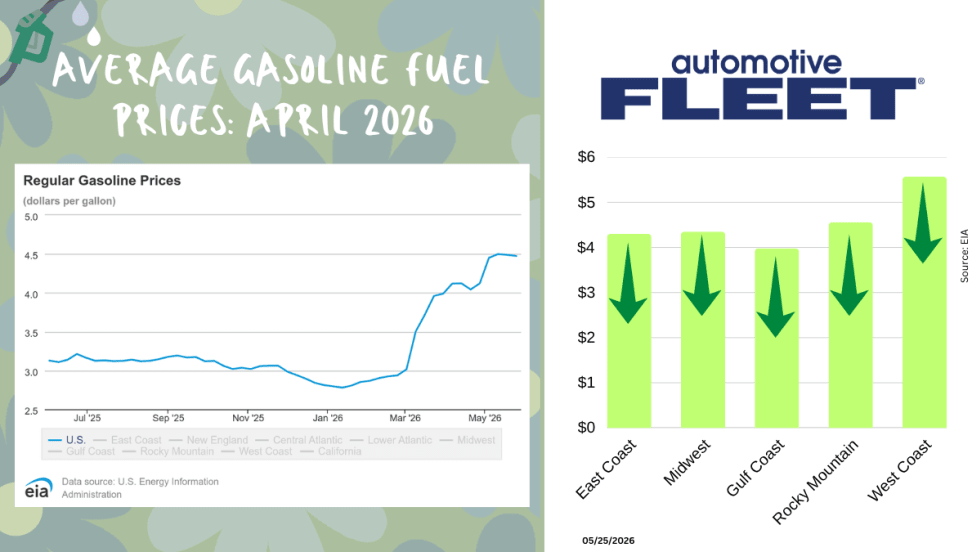
May Fuel Update: All Regions Experience Declines
Gas prices are finally easing in much of the country, but experts warn global tensions could quickly reverse the trend as the national average remains well above last month’s levels.
Read More →