




Edmunds.com Reports Automakers’ True Cost of Incentives: Large SUVs are the Most Subsidized Vehicles in the Industry
Edmunds.com ( http://www.edmunds.com/ ), an online resource for automotive information, reported on July 29th that the average manufacturer incentive per vehicle sold in the United States was $2,624 in June 2003, up $654 or 33.2% from June 2002 and up 3.6% or $92 from May 2003. Industry average “days-to-turn,” which measures how many days on average it takes to sell a vehicle after it hits the dea
Edmunds.com ( http://www.edmunds.com/ ), an online resource for automotive information, reported on July 29th that the average manufacturer incentive per vehicle sold in the United States was $2,624 in June 2003, up $654 or 33.2% from June 2002 and up 3.6% or $92 from May 2003. Industry average “days-to-turn,” which measures how many days on average it takes to sell a vehicle after it hits the dealer's lot, remained constant from last month at 69 days, but was up from last June’s 55 days. Edmunds.com’s monthly True Cost of Incentives(SM) (TCI(SM)) report takes into account all of the manufacturers’ various U.S. incentives programs, including subvented interest rates and lease programs as well as cash rebates to consumers and dealers. To assure the greatest possible accuracy, Edmunds.com bases its calculations on sales volume, including the mix of vehicle makes and models for each month, as well as on the proportion of vehicles for which each type of incentive was used. Incentives spending for domestic Chrysler, Ford and General Motors nameplates averaged a record high $3,516 per unit in incentives in June, compared to $1,898 for European automakers, $1,369 for Korean automakers, and $1,030 for Japanese automakers. Chrysler had the biggest increase in incentives spending in June, up 14.2% to $3,494. Despite this jump in incentives, the U.S. market share for Chrysler fell 0.3% to 13.5% in June. Ford increased incentives spending by 1% for the month, to $3,252 per unit, and saw its market share inch up 0.2% to 19.4%. General Motors' increased its incentives spending 0.9% for the month, to $3,708 per unit, while its market share increased 1.6% to 28.5% in June, its highest level since December 2002. By vehicle segment, large SUVs had the highest average incentives this month at $3,829, followed by large cars at $3,478 and large trucks at $3,299. Luxury SUVs had the lowest average incentives at $1,270, with sports cars at $1,645 and compact SUVs at $1,716. Compact cars gained the most market share, up 0.7% to 15.5%, while midsize SUVs lost the most market share, down 0.5% to 12.7%. “Because consumers are becoming less responsive to traditional incentives, many manufacturers are trying to break new ground by offering matching down payments, longer terms for low APR programs, subsidized leases, 24-hour test drives and higher rebate amounts,” said Dr. Jane Liu, Executive Director of Data Analysis for Edmunds.com. “However, there are certainly some exceptions where manufacturers with strong brands have produced highly desired vehicles; the new Toyota Sienna, Volkswagen Touareg and Lexus RX 330 are all having great sales success with virtually no incentives.”
More Operations

How Fleets Can Recruit and Train Veterans for Technician Roles
Here's how the technician shortage has affected uptime for fleets, and what to do about it.
Read More →
Avis Budget Group Deploys Neology Toll Management Technology Across Major Brands
Neology’s neoFleet platform will manage toll transactions and toll-authority operations for vehicles across Avis, Budget, Payless, Budget Truck and Zipcar.
Read More →
Fleet Personal-Use Charges Edge Higher in 2026
Nearly eight in 10 surveyed fleets allow personal use of company vehicles, while just over half of respondents report charging employees for the privilege.
Read More →
The Future of Fleet + What’s Changing Right Now | AF News Recap
Could developments overseas offer a preview of what’s coming for U.S. fleets? This week, we’re looking at the future of AI, autonomy, and electrification, plus Ford Pro’s new certified pre-owned program, smarter vehicle offboarding, and a new way for fleets to manage toll expenses.
Read More →
How to Handle Vehicle Offboarding
What do fleet managers need to do when a driver leaves?
Read More →
Fleet Manager’s Ultimate Playbook: Navigating the New Standard in OEM Connectivity
Rising operating costs, driver safety concerns, and unplanned downtime are putting unprecedented pressure on modern fleets. Discover how fleet managers use embedded OEM connectivity and real-time vehicle data to cut TCO, prevent downtime, and protect drivers without aftermarket telematics hardware.
Read More →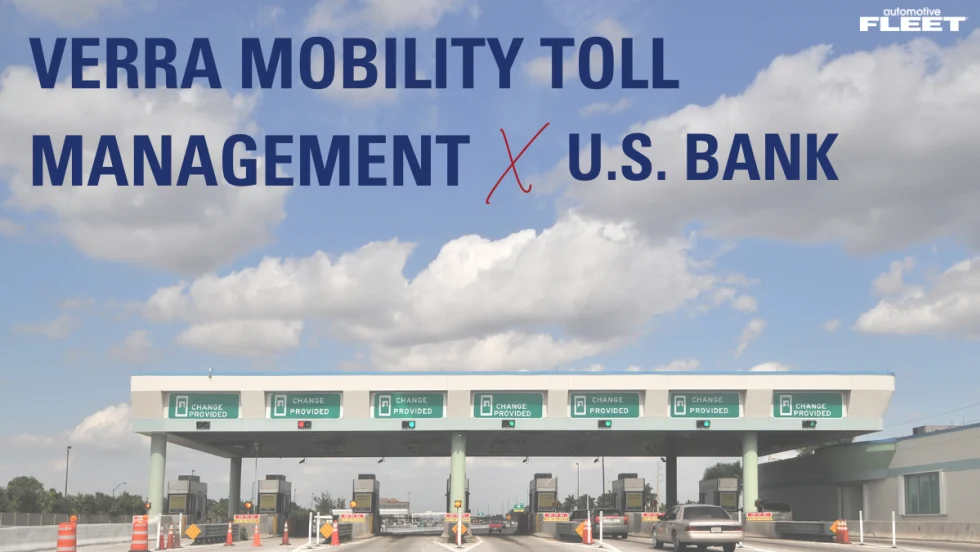
U.S. Bank Adds Verra Mobility Toll Management to Voyager Fleet Platform
The integration allows U.S. Bank Voyager fleet customers to manage toll payments and violations alongside fuel, EV charging and maintenance expenses.
Read More →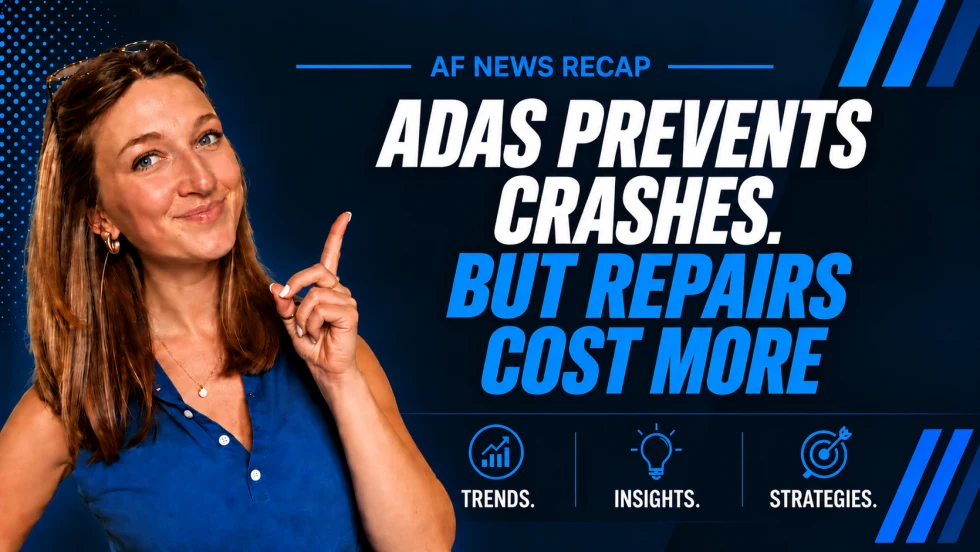
ADAS Prevents Crashes. But Repairs Cost More | AF News Recap
ADAS-equipped vehicles may crash less often, but they can cost more when they do. This week, we’re breaking down what that tradeoff means for fleets, plus Subaru’s first Forester Wilderness Hybrid, Nissan’s new e-POWER Rogue, and why Calstart has become Catalyst Mobility.
Read More →
Moventum Fleet Management Names Mark Iorillo Head of Sales
Iorillo brings nearly 20 years of fleet management and sales experience to the role, including previous positions at Element Fleet Management, CEI, Donlen and Ryder.
Read More →
Fleet Has a Talent Pipeline Problem. What Comes Next? | AF News Recap
Where will fleet’s next generation of leaders come from? This week, we’re looking at the industry’s talent pipeline, what certification can add to a fleet career, how to build an award-worthy track record, and the return of Automotive Fleet’s Personal Use Survey.
Read More →