




Drop in U.S. Gasoline Demand Won’t Bring Lower Pump Prices
NEW YORK - U.S. gasoline demand is at the start of a long-term decline, as cars and trucks become more fuel-efficient, the government mandates the use of more ethanol, and people drive less.
NEW YORK - After seven decades of mostly uninterrupted growth, U.S. gasoline demand is at the start of a long-term decline as cars and trucks become more fuel-efficient, the government mandates the use of more ethanol, and people drive less. By 2030, Americans will burn at least 20-percent less gasoline than today, experts say, even as millions of more cars clog the roads, reported NBC News.
Government and industry officials - including the CEO of Exxon Mobil - say U.S. gasoline demand has peaked for good. It has declined four years in a row and will not reach the 2006 level again, even when the economy fully recovers.
Americans are burning an average of 8.2 million barrels - 344 million gallons - of gasoline per day in 2010, a figure that excludes the ethanol blended into gasoline. That's 8 percent less than at the 2006 peak, according to government data.
But while America's diminishing demand will temper global demand, it will be more than offset by rapidly growing demand in China, India, the Middle East, and Africa. As a result, declining U.S. gasoline demand will not bring lower pump prices, according to AP.
The decline is expected to accelerate for several reasons.
Starting with the 2012 model-year, cars will have to hit a higher fuel economy target for the first time since 1990. Each carmaker's fleet must average 30.1 mpg, up from 27.5. By the 2016 model year, that number must rise to 35.5 mpg. And, starting next year, SUVs and minivans, once classified as trucks, will count toward passenger vehicle targets.
The auto industry is introducing cars that run partially or entirely on electricity, and the federal government is providing billions of dollars in subsidies to increase production and spur sales.
By 2022, the country's fuel mix must include 36 billion gallons of ethanol and other biofuels, up from 14 billion gallons in 2011. Put another way, biofuels will account for roughly one of every four gallons sold at the pump.
Gasoline prices are forecast to stay high as developing economies in Asia and the Middle East use more oil.
Demographic factors will also play a role, reported AP. Baby boomers will drive less as they age. The surge of women entering the work force and commuting in recent decades has leveled off. And the era of Americans commuting ever farther distances appears to be over. One measure of this, vehicle miles traveled per licensed driver, began to flatten in the middle of the last decade after years of sharp growth.
The shift from SUVs began in 2004 and has saved Americans $15 billion on gasoline this year, according to the National Resources Defense Council. By 2020, improved fuel economy is expected to lower annual carbon dioxide emissions by 400 billion pounds, the equivalent of taking 32 million cars off the road.
In reality, there will be 27 million more cars on the road - a total of 254 million - a decade from now, according to government projections.
Worldwide oil demand will hit a record 88.3 million barrels per day next year, according to the consulting firm Wood Mackenzie, as reported by AP.
More Fuel

Turning Fleet Payment Data into Executive Insights
Ramel Lindsay of U.S. Bank Voyager discusses how fleets can transform payment and transaction data into actionable intelligence to reduce costs, improve oversight, and support executive decision-making.
Read More →
Why the IRS Raised Its Mileage Rate in the Middle of 2026
Fuel-price volatility drove the rare increase to 76 cents per mile, the fifth midyear adjustment since 2000.
Read More →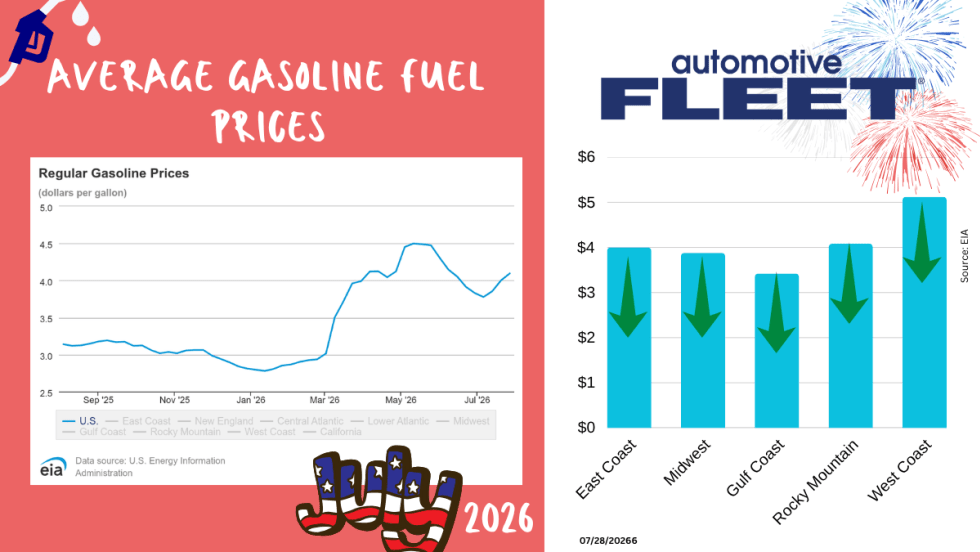
July Fuel Update: Prices Keep Rising in Light of More Conflict
Gas prices continue to rise as more and more conflicts do, too.
Read More →
Bob Adamsky on Fuel Volatility: "Don't Panic, Have a Plan."
When it comes to up and down fuel prices, Adamsky has a message for fleets: “Don’t panic.”
Read More →
How Fleets Can Gain Control of Non-Fuel Spend
Fuel often gets the spotlight, but non-fuel expenses can have a major impact on fleet costs. Ramel Lindsay of U.S. Bank Voyager discusses how fleets can gain better visibility and control over these often-overlooked expenditures.
Read More →
Fuel is Just the Start: How Middle East Tensions are Driving Up Fleet Maintenance Costs
The Middle East conflict is doing more than pushing up fuel prices. It’s also raising the cost of key maintenance products your fleet depends on, from motor oil to tires to windshield wipers. Here’s what you need to know about this budget-busting situation.
Read More →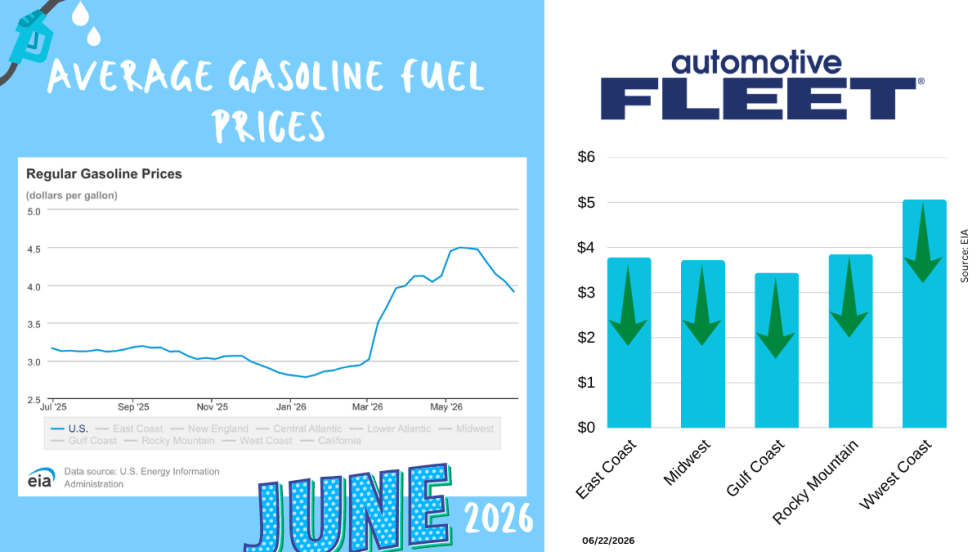
June Fuel Update: Prices Fall Below $4
Drivers are finally getting some relief at the pump. The national average gas price has dropped below $4 a gallon for the first time in months, with prices falling in 47 states as oil markets react to developments in U.S.-Iran negotiations.
Read More →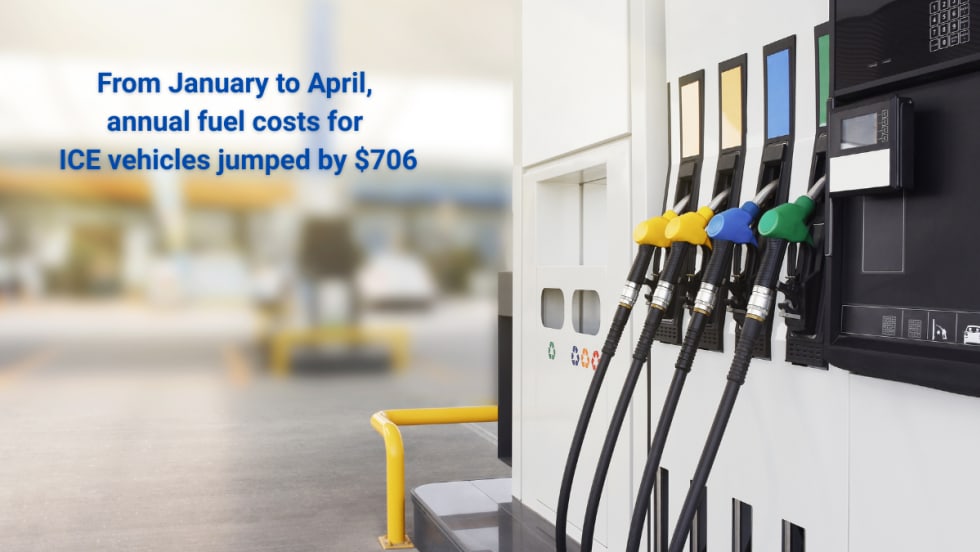
Study: How 2026's Gas Price Hikes Affect Different Vehicle Types
New data from iSeeCars reveals how rising fuel costs have affected different vehicle segments as gasoline prices climbed nearly 46% over the past four months.
Read More →
Are You Tracking Your Fleet's True Total Cost of Ownership?
Bobit Business Media surveyed 190 fleet professionals and found that while most fleets are tracking costs, fragmented systems and data gaps are keeping true TCO visibility out of reach. With rising pressure to control spend in an increasingly volatile environment, the gap between what fleets think they know and what the data actually shows is wider than you might expect. See how your peers are managing costs today and where the industry still has room to improve.
Read More →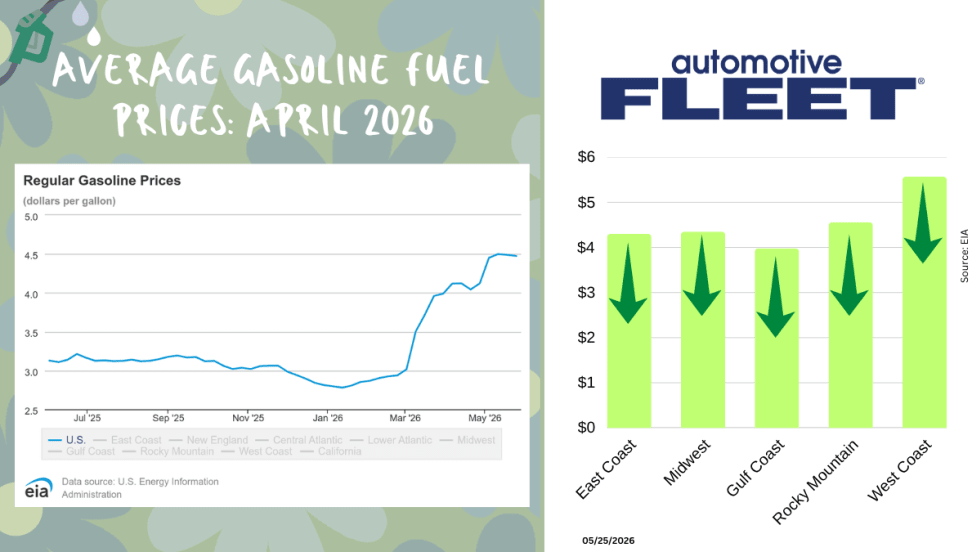
May Fuel Update: All Regions Experience Declines
Gas prices are finally easing in much of the country, but experts warn global tensions could quickly reverse the trend as the national average remains well above last month’s levels.
Read More →