





Related: Alcohol-Detection Tech Could Save 9,000 Lives Annually, IIHS says
DOE Funds $139 Million to Advance Vehicle Tech
The U.S. Department of Energy (DOE) will provide $139 million in federal funding for 55 projects across the country that will support new and innovative advanced vehicle technologies.
August 3, 2020

The federal funding will support mobility technologies such as connected and automated vehicles.
Screenshot via CR/YouTube.
2 min to read
The U.S. Department of Energy (DOE) will provide $139 million in federal funding for 55 projects across the country that will support new and innovative advanced vehicle technologies.
The announcement was made by U.S. Secretary of Energy Dan Brouillette, and funding will be provided by the DOE’s Office of Energy Efficiency and Renewable Energy (EERE). Projects will conduct research in advanced batteries, electrification, and manufacturing in support of DOE’s Energy Storage Grand Challenge, and six of these projects will be led by teams in Michigan.
“Technological innovation is key to revitalizing America’s manufacturing competitiveness, especially in the transportation sector,” said Secretary Brouillette. “I’m excited to announce that six of the 55 total projects will be led by teams here in Michigan, a state that has been the backbone of the American automobile industry for years. The Trump Administration is committed to investing in technologies that expand access to affordable mobility and provide consumers with a wide range of transportation options to meet their needs.”
Among the projects announced today, EERE’s Vehicle Technologies Office (VTO) and EERE’s Advanced Manufacturing Office (AMO) are collaborating on two projects totaling $15 million aimed at lightweight and high-performance fiber-reinforced polymer composites for vehicle applications.
First, a Ford-led team, in collaboration with DOE’s Oak Ridge National Laboratory and other partners, will develop multi-functional composite structures with electronics integration for cross car beam applications.
Second, a General Motors-led team is developing fiber-reinforced composites for high volume manufacturing of structural battery enclosures. Michigan State University’s Scale Up Research Facility is partnering with both teams. The facility was established with DOE funding under the Institute for Advanced Composites Manufacturing Innovation.
Selected projects under this funding opportunity will be managed by VTO. VTO research pathways focus on fuel diversification, vehicle efficiency, energy storage, lightweight materials, and new mobility technologies to improve the overall energy efficiency and affordability of the transportation system.
Details of the current project include:
Advance lithium-ion batteries using silicon-based anodes
Reduce the need for critical minerals such as rare-earth materials in electric drive motors and platinum group metals in emission catalysts
Accelerate the development of smart charging technologies to mitigate potential electric vehicle impacts on the grid and maintain low-cost charging for consumers
Improve efficiency for light-duty gasoline engines, medium- and heavy- duty natural gas engines, and agricultural off-road vehicles
Increase demonstrations and infrastructure for advanced technology vehicles, including those for gaseous fuels
Develop lightweight and high-performance fiber-reinforced polymer composites for vehicle applications
Support mobility technologies such as connected and automated vehicles, as well as innovations in transit
More Operations

Fleet Has a Talent Pipeline Problem. What Comes Next? | AF News Recap
Where will fleet’s next generation of leaders come from? This week, we’re looking at the industry’s talent pipeline, what certification can add to a fleet career, how to build an award-worthy track record, and the return of Automotive Fleet’s Personal Use Survey.
Read More →
Smith System Launches Driver Risk Management Program
Fleets have more driver data than ever, but identifying risky behavior doesn't necessarily correct it. Smith System's new Driver Risk Management program combines monitoring, training, and follow-up coaching to help fleets connect risk signals with driver intervention.
Read More →
Automotive Fleet Opens 2026 Personal Use Survey for Commercial Fleet Managers
Less than two weeks left! Commercial and corporate fleet managers are invited to share how their organizations handle company vehicle personal-use policies, charges, and driver eligibility.
Read More →
From AI Prompts to AI-Generated Safety Songs | AF News Recap
Can better prompts make AI more useful for fleet managers? This week, we’re breaking down smarter fleet analysis, an AI-assisted experiment that turned safety training into music, and what happened to fuel prices in August.
Read More →
How to Write Better AI Prompts for Fleet Analysis
Include these six elements in your fleet prompts to generate more relevant analysis and accurate answers.
Read More →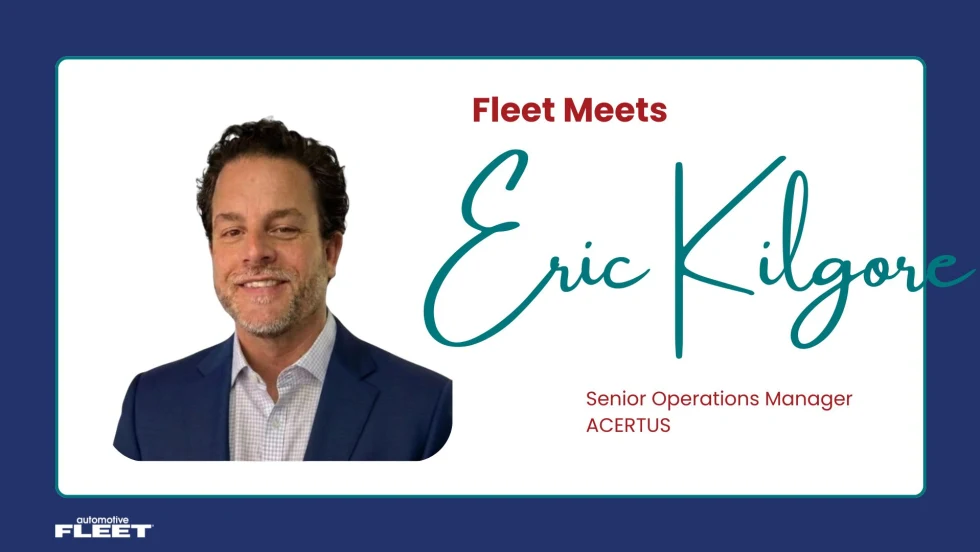
Fleet Meets: Eric Kilgore
This edition of the Fleet Meets series features one of the industry's best leaders driving multi-market and national operations.
Read More →
Why Reactive Fleet Management Is Becoming Too Expensive to Sustain
Research highlights a growing need for proactive management strategies to address rising costs in fleet operations effectively.
Read More →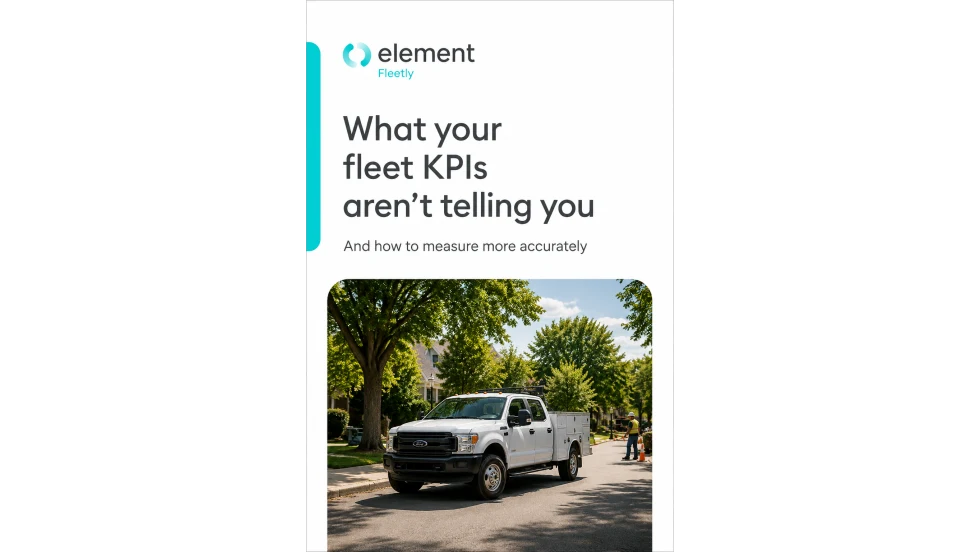
Sponsored•August 12, 2026
What Your Fleet KPIs Aren’t Telling You
Tracking fleet metrics is only useful when the data leads to better decisions. This guide helps fleet leaders assess cost, utilization, and downtime more accurately, identify performance gaps, and prioritize the actions that can improve operational results.
Read More →
Sponsored•August 7, 2026
Hidden in Plain Sight: Fleet Compliance Risks
Fleet compliance isn't just about having policies — it's about consistently enforcing them. This practical guide reveals six hidden compliance risks common in public sector and shared fleet operations and outlines proven strategies to improve visibility, accountability, and audit readiness
Read More →
Turning Fleet Payment Data into Executive Insights
Does data alone drive results in operations?
Read More →