




Distracted Driving in Calif. Climbing
A new study from the California Office of Traffic Safety found that at least 12.8% of California drivers were observed using a mobile device during the day.

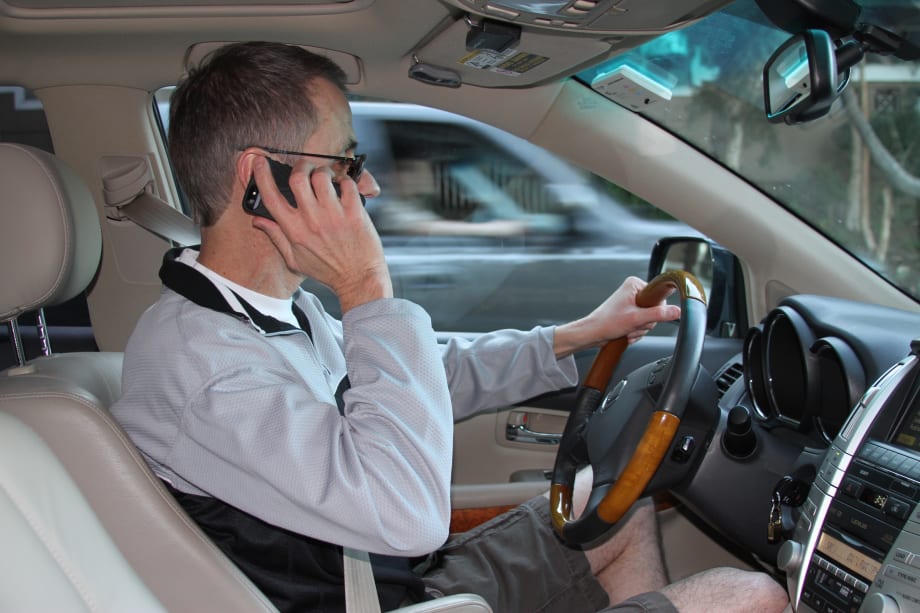
An April study found that at least 12.8% of California drivers were observed using a mobile device during the daytime — up from 9.2% in 2015.
Photo: California Office of Traffic Safety (OTS)
An April study found that at least 12.8% of California drivers were observed using a mobile device during the daytime — up from 9.2% in 2015.
Despite the well-publicized dangers of distracted driving, the number of California motorists who use mobile devices while they drive is still on the rise, according to a new state study.
The study, conducted by the California Office of Traffic Safety (OTS) in April of this year, found that at least 12.8% of California drivers were observed using a mobile device during the day — up from 9.2% in 2015 and eclipsing the previous high of 10.8% in 2013.
Because of the difficulty of observing mobile device use in a vehicle, these figures are considered minimums, with actual usage likely several points higher, according to researchers.
“These latest numbers are discouraging, but not totally unexpected,” said OTS Director Rhonda Craft. “The number of smartphones in the United States has gone from zero 10 years ago to over 200 million today. They have become so much a part of our lives that we can’t put them down, even when we know the danger.”
California and many other states observed National Distracted Driving Awareness Month in April. The California Highway Patrol (CHP) and hundreds of other law enforcement agencies conducted educational and enforcement efforts. The CHP alone organized more than 300 educational presentations and issued 13,496 citations for distracted driving violations. The OTS conducted a social media campaign urging drivers to “silence the distraction.”
“Distraction occurs any time drivers take their eyes off the road, their hands off the wheel, and their minds off their primary task of driving safely,” CHP Commissioner Joe Farrow said. “Any non-driving activity is a potential distraction and increases the risk of a collision.”
Data from the CHP’s Statewide Integrated Traffic Records System show that in 2013, 22,306 people were involved in collisions in which distracted driving was a factor. The number of distracted driving victims in California increased slightly in 2014, reaching 22,652.
From 2013 to 2015, the number of drivers killed or injured in collisions in which distracted driving was a factor increased every year -- from 10,162 in 2013, to 10,548 in 2014, and to 11,090 in 2015.
Despite these numbers, drivers seem less concerned about the dangers of distracted driving. The OTS study found that the observed usage rates appear to confirm previous studies, which show more drivers admit to using mobile devices “sometimes” or “regularly.” Fewer drivers believe that talking or texting on a cell phone is a major safety problem.
Meanwhile, the percentage of those who say they have been hit or nearly hit by a driver using a cell phone remains steady at nearly 60%. Other significant findings in the observational survey include:
Though nearly all types of usage are up, typing and posting increased by more than one-third.
The highest observed electronic device use and the fastest increase in usage is in urban areas — 9.4%.
Electronic device use during rush hours increased by 71% in 2016.
The percentage of 16-24 year-olds talking on handheld cell phones increased from less than 1% every year since 2012 to more than 2% in 2016.
Southern California drivers hold the phone to their ear at a rate double (3.8%) or more than that of Central California drivers (1.9%) and Northern California drivers (1.4%).
“The study results are disturbing,” Commissioner Farrow said. “Every time someone drives distracted, they are putting themselves, their passengers and everyone on or near the roadway at risk.”
More Operations

Here's When You Should Make an Exception to Fleet Policy
Fleet policies are designed to create consistency, but not every driver or situation fits neatly within standard rules.
Read More →
AI-Native or AI-Acquired: What Should Fleet Managers Look for in an AI Platform?
Six questions can help fleet managers look beyond AI marketing claims to evaluate integration, data access, and real-world operational performance.
Read More →
A buyer's guide to fleet management software in 2027
Buying fleet management software in 2027 means looking beyond features and price. As fleet operations, technology and expectations evolve, this guide explores what today’s fleet professionals should consider when choosing a system that can deliver value now and adapt to what comes next.
Read More →

What Will Shape the Next Era of Fleet Management?
EVs, AI, and autonomous vehicles are reshaping fleet management. Discover what’s ahead—and how fleet leaders can prepare for the next era.
Read More →
How Fleets Can Recruit and Train Veterans for Technician Roles
Here's how the technician shortage has affected uptime for fleets, and what to do about it.
Read More →
Avis Budget Group Deploys Neology Toll Management Technology Across Major Brands
Neology’s neoFleet platform will manage toll transactions and toll-authority operations for vehicles across Avis, Budget, Payless, Budget Truck and Zipcar.
Read More →
Fleet Personal-Use Charges Edge Higher in 2026
Nearly eight in 10 surveyed fleets allow personal use of company vehicles, while just over half of respondents report charging employees for the privilege.
Read More →
The Future of Fleet + What’s Changing Right Now | AF News Recap
Could developments overseas offer a preview of what’s coming for U.S. fleets? This week, we’re looking at the future of AI, autonomy, and electrification, plus Ford Pro’s new certified pre-owned program, smarter vehicle offboarding, and a new way for fleets to manage toll expenses.
Read More →
How to Handle Vehicle Offboarding
What do fleet managers need to do when a driver leaves?
Read More →
Fleet Manager’s Ultimate Playbook: Navigating the New Standard in OEM Connectivity
Rising operating costs, driver safety concerns, and unplanned downtime are putting unprecedented pressure on modern fleets. Discover how fleet managers use embedded OEM connectivity and real-time vehicle data to cut TCO, prevent downtime, and protect drivers without aftermarket telematics hardware.
Read More →