




DISH Propane Autogas Vans Roll Onto SoCal Streets
DISH Network deployed 47 propane autogas vans in Southern California to reduce fuel costs and emissions for the satellite broadcast provider as part of a roll-out of 200 such vehicles in five metropolitan areas.


Photo by Paul Clinton.
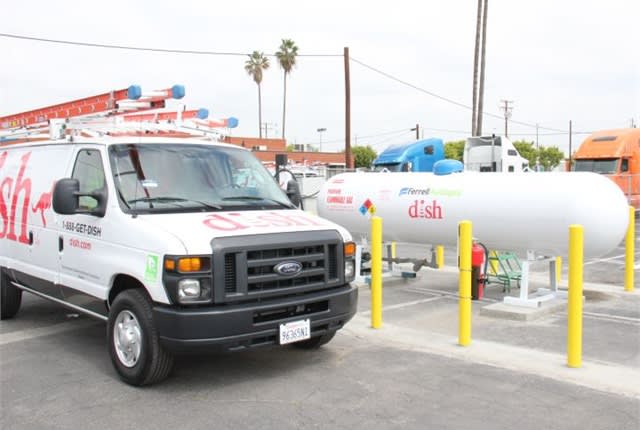
Photo by Paul Clinton.
DISH Network deployed 47 propane autogas vans in Southern California to reduce fuel costs and emissions for the satellite broadcast provider as part of a roll-out of 200 such vehicles in five metropolitan areas.
Executives from DISH and ROUSH CleanTech, the vehicle modifier who converted Ford E-250 vans to run on the alternative fuel, unveiled the vans at the Hawthorne offices of DISH during a March 21 press conference.
"DISH is proud to begin deploying a vehicle fleet in the L.A. area that emits fewer greenhouse gases and uses a domestically sourced fuel," said Erik Carlson, executive vice president of service and installation at DISH. "This is just part of our larger propane autogas fleet rollout and we look forward to rolling out more across the country."
In addition to the new vehicles, DISH has set up 10 on-site fueling locations in a partnership with Ferrellgas, which installed the equipment and storage tanks. At the Hawthorne office, a 1,000-gallon tank services 26 propane autogas vehicles. Ferrellgas refills the tank two to three times per week at a cost of about $2.30 per gallon.
Technicians fill up their vans at the end of each shift, so they're ready for deployment in the morning, said Frank Sandoval, the Hawthorne office's general manager.
"We always close to open," Sandoval said. "When the techs come in in the morning, they have a van that's ready to go."
Drivers have only a slight adjustment to make with the vehicles. Unlike a gasoline engine that starts right up, a propane fuel delivery system carries a seven-second lag for the fuel to reach the engine. The vans don't lose power or sound any different that a gasoline vehicle.
"It runs the same and sounds the same," said Kamal Ali, a DISH field service manager in Hawthorne. "Once it turns over, you can hear the van injecting the fuel."
By Paul Clinton
Editor's note: View a full photo gallery showing the fueling procedure and cargo area set up of theDISH/ROUSH CleanTech service van.
More Green Fleet

EV Charging Use Is Outpacing Infrastructure Growth
ChargePoint’s 2026 Charging Forward Report points to rising charger use, higher-powered charging, commercial vehicle electrification, and energy-management technology. Here’s what fleets should know.
Read More →
Merchants Fleet Reports 290M EV Miles as Fleets Navigate Changing Electrification Market
From millions in operating savings to hundreds of millions of EV miles, Merchants Fleet’s latest report reveals what’s working and what’s changing in fleet electrification.
Read More →
The EV Breakdown Nobody's Talking About: Why Most Electric Vehicle Roadside Calls Aren't Mechanical Failures
Here's why EV breakdowns are widely misunderstood.
Read More →
ChargePoint Now Available in Energy Pass
ChargePoint and additional planned charging network integrations were added to GM's Energy Pass.
Read More →

First Look: Slate Auto's Electric Fleet Pickup
Could an affordable, modular EV pickup make electrification more practical for fleets?
Read More →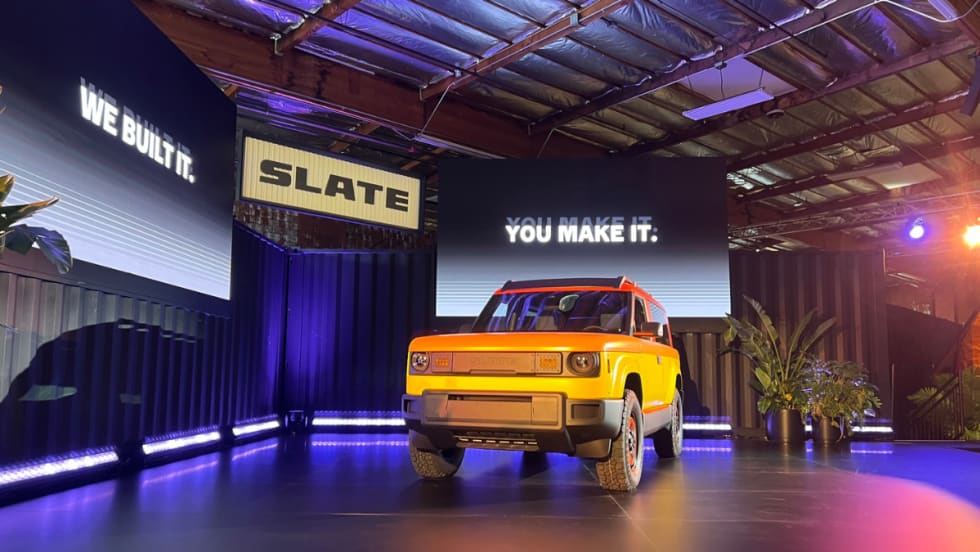
Slate Debuts Colorful, Unique EV Models
A recent media and client event, studded with electric vehicles dressed up on platforms, planted a new position for the manufacturer in the wider EV market. Fleets will find cost-saving advantages.
Read More →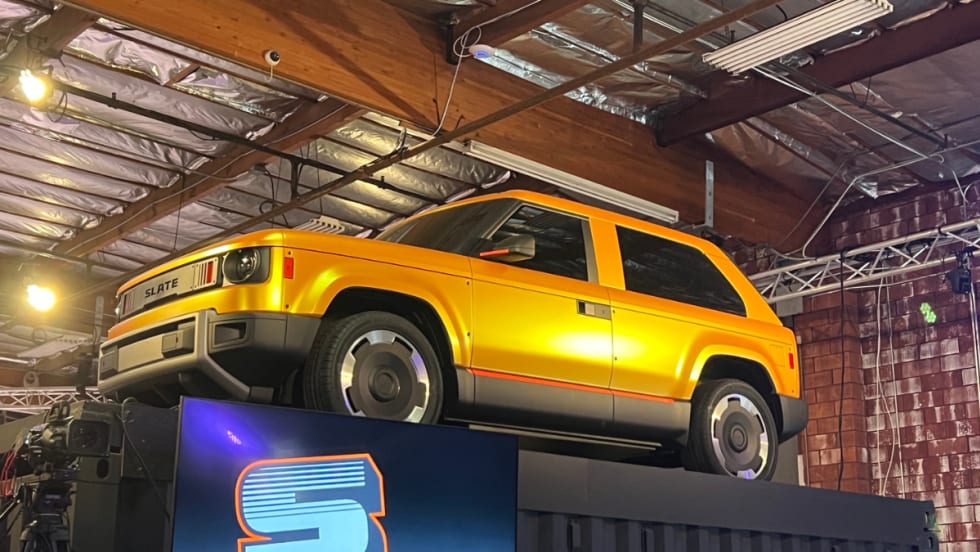
Slate Electric SUV, Pickup Switchable Model Aims For Light-Duty Fleets
Everything about this EV is counterintuitive and understated, making it stand out from the crowd.
Read More →
Inspiration Mobility Acquires Key Electrada Assets
Inspiration Mobility Group has acquired select assets of Electrada, adding the fleet electrification provider's team, technology, and charging infrastructure development capabilities to its energy management business.
Read More →
Turning Connected Vehicle Data Into Decisions That Matter
Fleet leaders have more data than ever, but turning that data into clear, actionable decisions remains a challenge. This white paper shows how leading organizations are using connected vehicle data to improve safety, reduce costs, and optimize fleet performance. Learn how to turn insight into action across your fleet.
Read More →