


 MENU
MENU SEARCHMENUSEARCH
Loading data...

These fleet professionals were able to improve driver safety by adapting their safety policies to an ever-changing industry.
Read More →


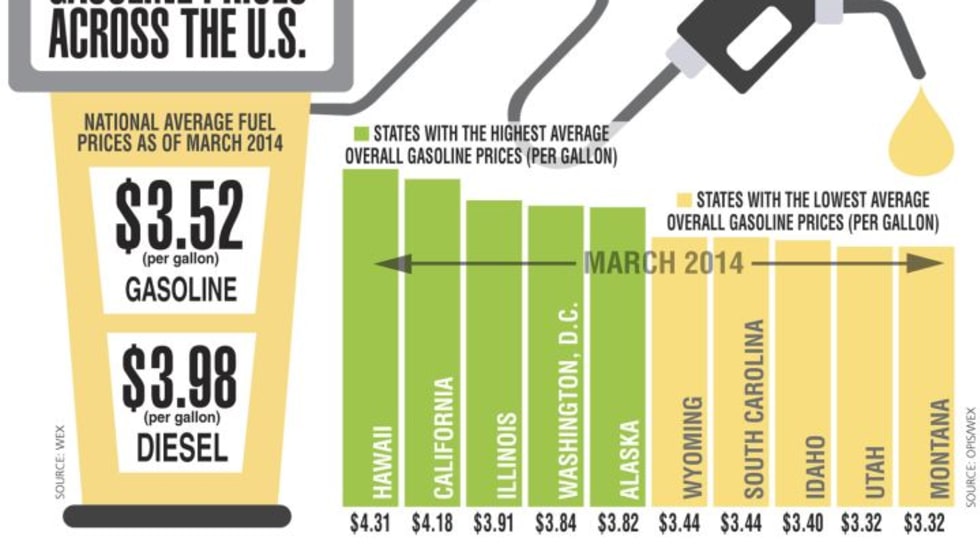
Even with lower prices, fuel continues to be among the top costs for fleets. Fleets share some of their best practices to manage fuel.
Read More →Money considerations drive much of the decision making when choosing vans or pickups, but function also plays a crucial role.
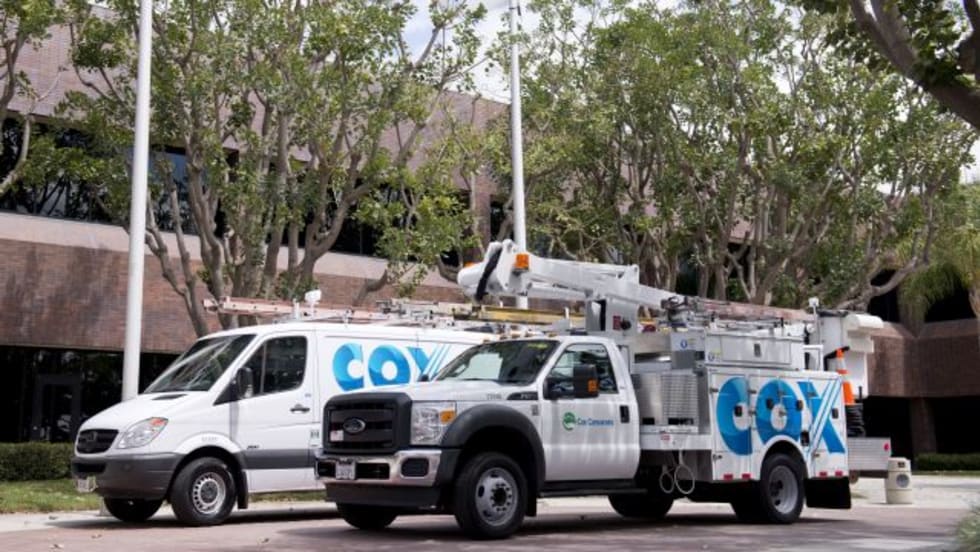
Read More →Cable and telecom fleets provide services vital to just about every other industry and vocation — they keep businesses able to communicate. Downtime is not an option, and upfitting needs are unique.
Read More →Telematics is making fleets of different sizes, compositions, and functions more efficient across the board. Benefits include improved up time and better utilization.
Read More →Since fleet management requires working with cross-functional groups, managing millions of dollars of corporate assets, collaborating in complex technology initiatives, and is a key influencer of employee productivity, it is crucial to have a strong in-house fleet manager to coordinate and manage these activities.
Read More →With fuel prices impacted by everything from supply and demand to weather to location, there can be little argument that managing fuel expenses is one of the most difficult and important parts of a fleet manager's job.
Read More →A combination of standardization, flexibility, partnerships, and collaboration have been the recipe for the DISH fleet’s success.
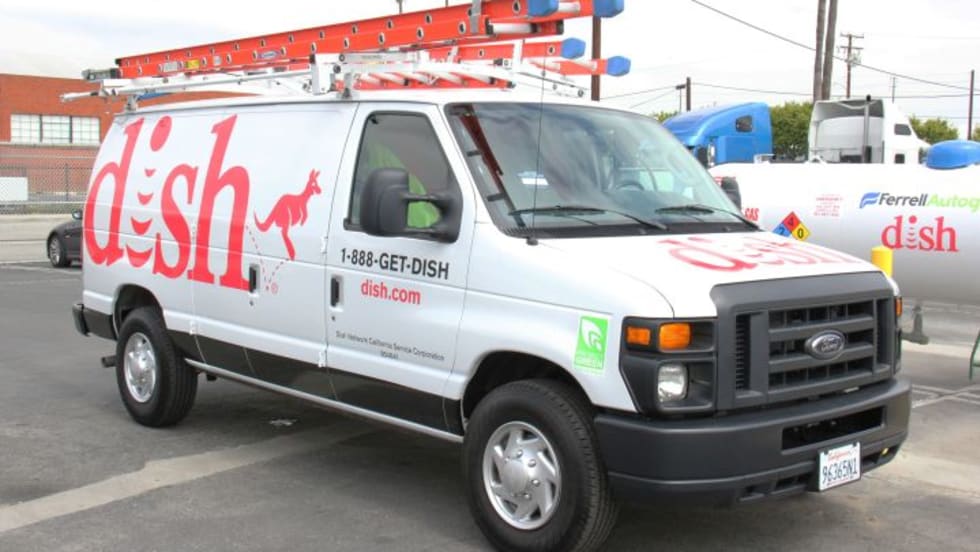
Read More →DISH Network deployed 47 propane autogas vans in Southern California to reduce fuel costs and emissions for the satellite broadcast provider as part of a roll-out of 200 such vehicles in five metropolitan areas.
Read More →Satellite broadcaster DISH rolled out 47 service vans in Southern California converted by ROUSH CleanTech to run on propane autogas. The Ford E-250 vans will bring fuel savings and on-site fueling convenience from fuel supplier Ferrellgas. View photos showing the fueling process and the cargo setup by upfitter Leggett & Platt. Photos by Paul Clinton.
Read More →