




Related: Idle Efficiency Keeps State and Federal Funds Coming
Derive Efficiency Hosts Track Day
On March 3, Derive Efficiency hosted a track day for public and private fleets and the media, showing the differences in performance between a stock vehicle and one calibrated for optimum efficiency.
by Staff
March 13, 2017
Vehicles are lined up for the acceleration test, pitting calibrated vehicles with uncalibrated ones. Photo by Andy Lundin
2 min to read

Vehicles are lined up for the acceleration test, pitting calibrated vehicles with uncalibrated ones. Photo by Andy Lundin
On March 3, Derive Efficiency hosted a track day for public and private fleets and the media, showing the differences in performance between a stock vehicle and one calibrated for optimum efficiency. The event took place at the Auto Club Speedway in Fontana, Calif.
Attendees first learned how to calibrate a vehicle in 15 minutes, showing reduced engine RPM during idling. This was followed by road tests comparing calibrated and uncalibrated vehicles to solve problems of idling, speeding, harsh shifting, and jackrabbit acceleration.
The quarter-mile acceleration test on Ford Explorers and Chevrolet Tahoes showed how the vehicles can be calibrated to improve acceleration for law enforcement vehicles. Side-by-side, the calibrated vehicles consistently accelerated faster.
The road course had drivers taking Ford Taurus sedans down a demo route. The vehicle with optimized shift points showed improved drivability and responsiveness for police officers, without increasing horsepower and torque.
The payload test and speed limiter demo had a Ford F-150 and Chevrolet Silverado 1500 each hauling 1,000 lbs. of sand. One vehicle was calibrated for a lower acceleration rate and speed limit of 40 mph. This demo showed the ability to limit jackrabbit starts without compromising overall power for improved fuel efficiency.
Public agencies that have used the software on their police fleets include the City of Orlando, Fla.; Port of St. Lucie, Fla.; and the City of Lakeland, Fla.
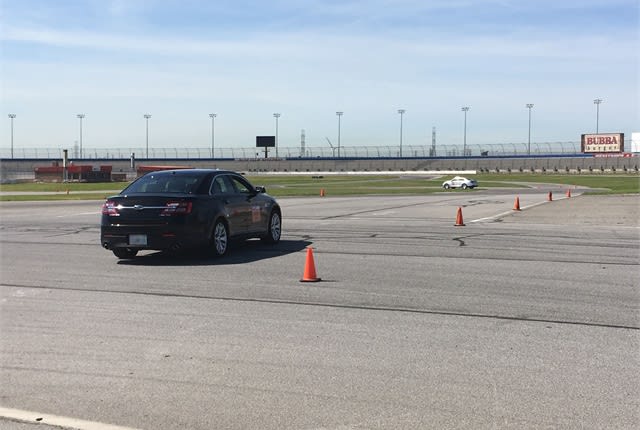
The road course demoed a vehicle with optimized shift points showing improved drivability and responsiveness for police officers. Photo by Andy Lundin
More Fuel
Fuel Prices Surge in September | September Fuel Update
September brought major fuel price swings, including diesel crossing $6 a gallon. Here’s how gas and diesel prices changed throughout the month, and where they stood heading into October.
Read More →
Turning Fleet Payment Data into Executive Insights
Ramel Lindsay of U.S. Bank Voyager discusses how fleets can transform payment and transaction data into actionable intelligence to reduce costs, improve oversight, and support executive decision-making.
Read More →
Why the IRS Raised Its Mileage Rate in the Middle of 2026
Fuel-price volatility drove the rare increase to 76 cents per mile, the fifth midyear adjustment since 2000.
Read More →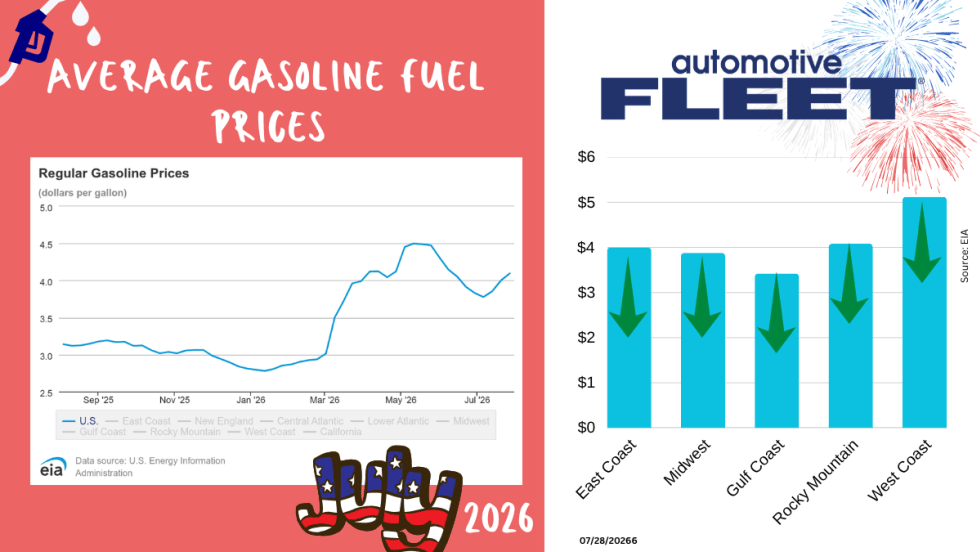
July Fuel Update: Prices Keep Rising in Light of More Conflict
Gas prices continue to rise as more and more conflicts do, too.
Read More →
Bob Adamsky on Fuel Volatility: "Don't Panic, Have a Plan."
When it comes to up and down fuel prices, Adamsky has a message for fleets: “Don’t panic.”
Read More →
How Fleets Can Gain Control of Non-Fuel Spend
Fuel often gets the spotlight, but non-fuel expenses can have a major impact on fleet costs. Ramel Lindsay of U.S. Bank Voyager discusses how fleets can gain better visibility and control over these often-overlooked expenditures.
Read More →
Fuel is Just the Start: How Middle East Tensions are Driving Up Fleet Maintenance Costs
The Middle East conflict is doing more than pushing up fuel prices. It’s also raising the cost of key maintenance products your fleet depends on, from motor oil to tires to windshield wipers. Here’s what you need to know about this budget-busting situation.
Read More →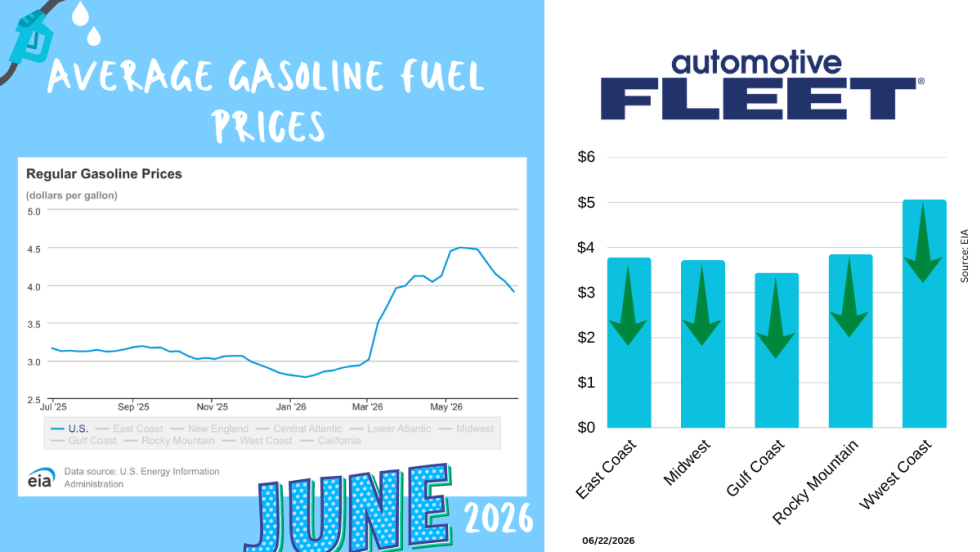
June Fuel Update: Prices Fall Below $4
Drivers are finally getting some relief at the pump. The national average gas price has dropped below $4 a gallon for the first time in months, with prices falling in 47 states as oil markets react to developments in U.S.-Iran negotiations.
Read More →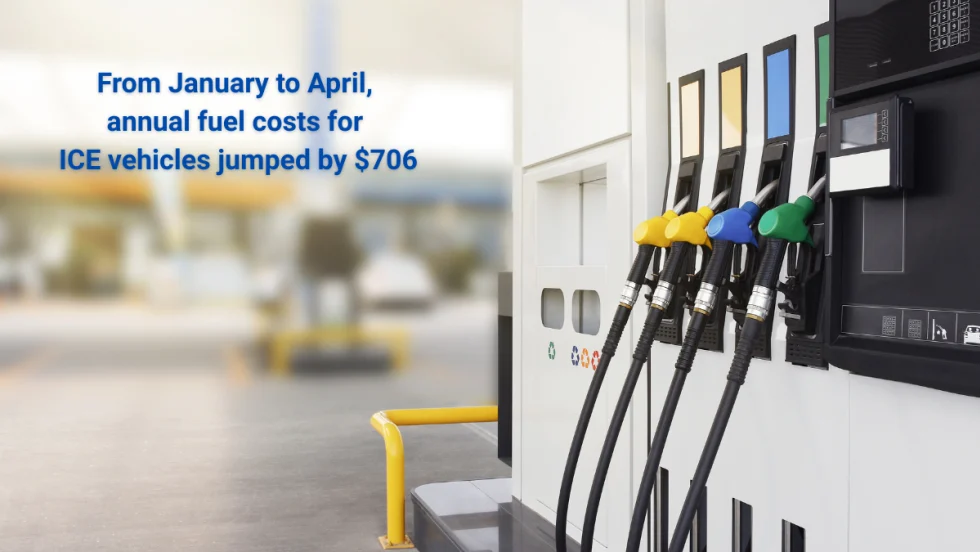
Study: How 2026's Gas Price Hikes Affect Different Vehicle Types
New data from iSeeCars reveals how rising fuel costs have affected different vehicle segments as gasoline prices climbed nearly 46% over the past four months.
Read More →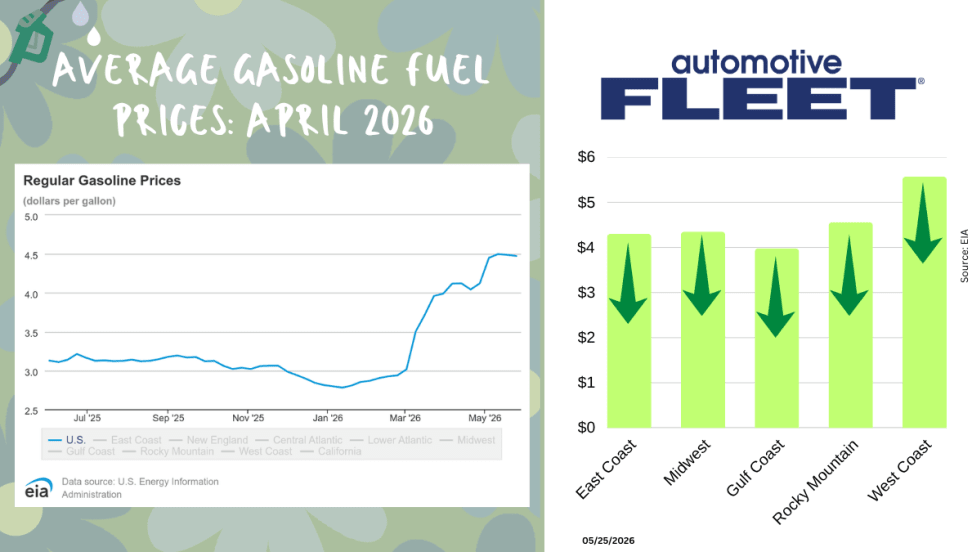
May Fuel Update: All Regions Experience Declines
Gas prices are finally easing in much of the country, but experts warn global tensions could quickly reverse the trend as the national average remains well above last month’s levels.
Read More →