




DCX Delivers Fuel Cell Vehicles to 3 California Government Agencies
SACRAMENTO, CA — The California Air Resources Board (CARB), the California Department of General Services (CDGS) and the California Energy Commission (CEC) on May 26, 2005 became the first F-Cell customers since the Department of Energy (DOE) Hydrogen Learning Demonstration Project kickoff in Washington, D.C.
SACRAMENTO, CA — The California Air Resources Board (CARB), the California Department of General Services (CDGS) and the California Energy Commission (CEC) on May 26, 2005 became the first F-Cell customers since the Department of Energy (DOE) Hydrogen Learning Demonstration Project kickoff in Washington, D.C. As operators of clean and efficient transportation, these government agencies will use the DaimlerChrysler F-Cells in daily use to provide further knowledge on their operational capabilities. The F-Cell will supply DaimlerChrysler, CARB, CDGS, and CEC with operational experience and technical data that will help improve the next generation of FCVs. DaimlerChrysler's efforts are continued proof that the company is committed to zero emissions vehicles and Governor Schwarzenegger's Hydrogen Highway Network. "Through innovation and technology, DaimlerChrysler continues its mission to move fuel cell vehicles from the laboratory to the open road," said Mark Chernoby, vice president, Advance Vehicle Engineering - Chrysler Group. "CARB, CDGS and CEC are among DaimlerChrysler's first customers to help contribute to a cleaner environment and a cleaner California." The three F-Cells delivered on May 26 are only part of a 100-plus fuel cell vehicle fleet that DaimlerChrysler has put into service around the world. The three F-Cells also will contribute to the DOE Hydrogen Learning Demonstration Project. In the F-Cell, the entire fuel cell system is housed in the floor of the vehicle, leaving full use of the passenger and cargo spaces. It has a range of approximately 100 miles and a top speed of 85 mph. The electric motor develops 88 hp (65 kW), enabling acceleration from 0 to 60 mph in 16 seconds. The stack is developed by DaimlerChrysler's cooperation partner, Ballard Power Systems. Through the DOE Controlled Hydrogen Fleet and Infrastructure Demonstration and Validation Project, DaimlerChrysler will place more fuel cell vehicles in the hands of customers who will provide valuable feedback about performance under different conditions. DaimlerChrysler is testing over 100 fuel cell vehicles under varying weather, traffic conditions, and driving styles in different locations worldwide. This experience will benefit the development of the fuel cell automobile and how it will be refueled. BP is the energy partner of DaimlerChrysler in the project. BP recently opened the first public hydrogen refueling station in Southfield, Michigan, with DTE Energy Company. Another station was opened in a cooperative effort between BP and Praxair at the Los Angeles International Airport. DaimlerChrysler has been involved in fuel cell technology for more than 10 years. Fuel cells release energy from the reaction of hydrogen and oxygen with a catalyst. This clean technology operates to a high level of efficiency and is true zero emission. Hydrogen-powered fuel cell vehicles emit only pure water vapor as exhaust. Fuel cell vehicles are part of DaimlerChrysler's advanced propulsion technology umbrella, which also includes exceptionally efficient gasoline engines, advanced diesels, alternative fuels and hybrid powertrain systems.
More Fuel
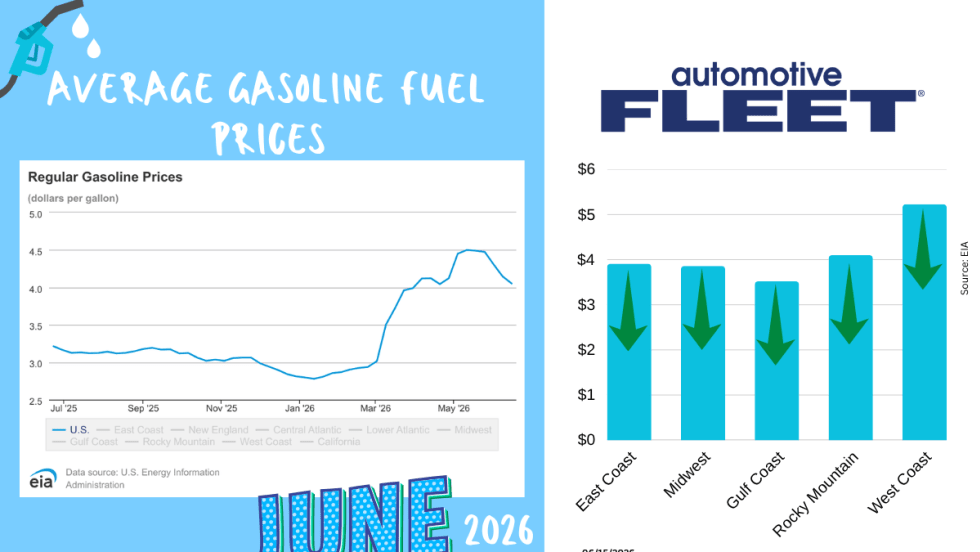
June Fuel Update: Prices Fall Below $4
Drivers are finally getting some relief at the pump. The national average gas price has dropped below $4 a gallon for the first time in months, with prices falling in 47 states as oil markets react to developments in U.S.-Iran negotiations.
Read More →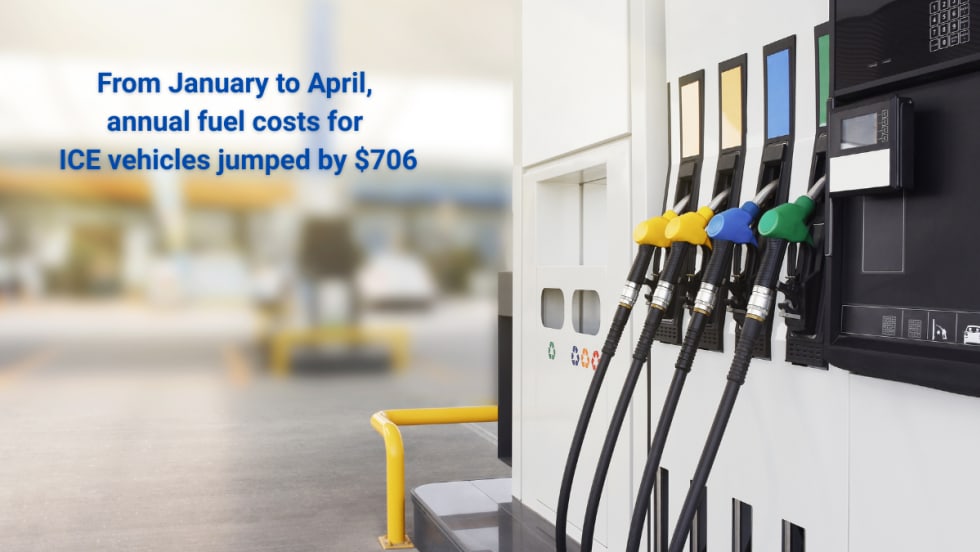
Study: How 2026's Gas Price Hikes Affect Different Vehicle Types
New data from iSeeCars reveals how rising fuel costs have affected different vehicle segments as gasoline prices climbed nearly 46% over the past four months.
Read More →
Are You Tracking Your Fleet's True Total Cost of Ownership?
Bobit Business Media surveyed 190 fleet professionals and found that while most fleets are tracking costs, fragmented systems and data gaps are keeping true TCO visibility out of reach. With rising pressure to control spend in an increasingly volatile environment, the gap between what fleets think they know and what the data actually shows is wider than you might expect. See how your peers are managing costs today and where the industry still has room to improve.
Read More →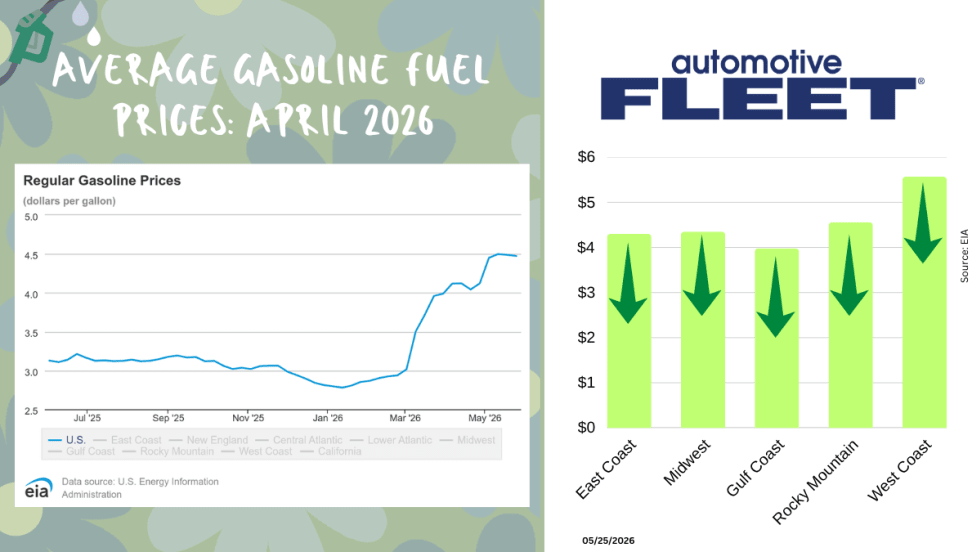
May Fuel Update: All Regions Experience Declines
Gas prices are finally easing in much of the country, but experts warn global tensions could quickly reverse the trend as the national average remains well above last month’s levels.
Read More →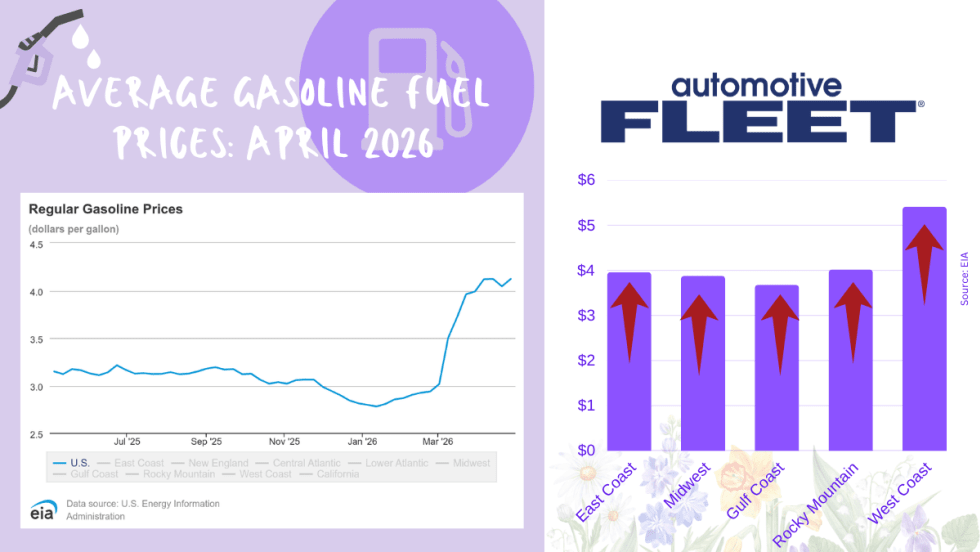
April Fuel Update: Prices Climb Above $4 as Spring Surge Accelerates
National average jumps to $4.04 per gallon, up sharply from last year, with West Coast prices topping $5 and further increases expected amid rising oil tensions.
Read More →
Tips from Fleet Managers on Saving Fuel Costs
Fleet leaders share practical strategies to reduce fuel spend through smarter policy, routing, and driver guidance.
Read More →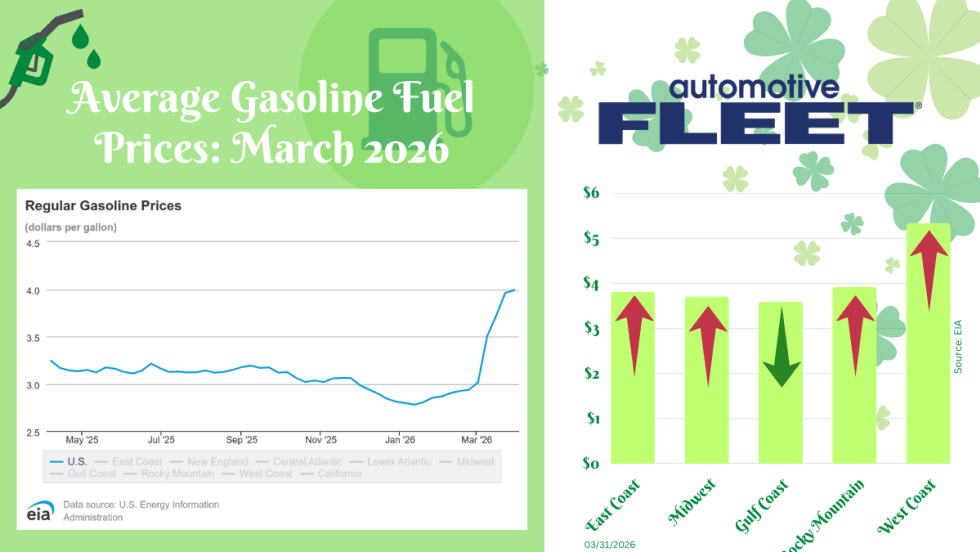
March Fuel Update: Prices Settle With a $4 Average
Fuel prices significantly slowed this week, but a $4 national average is still expected.
Read More →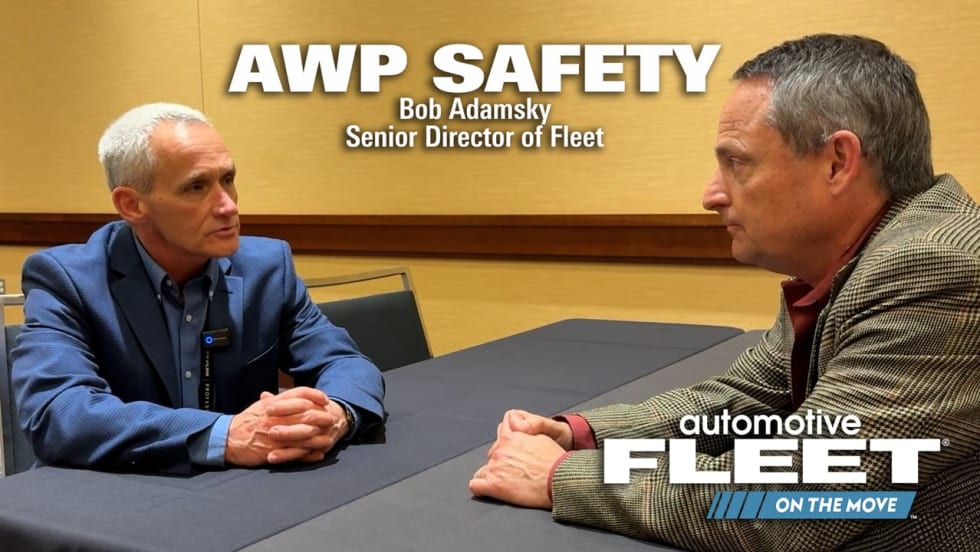
Bob Adamsky on Fuel Volatility: “Don’t Panic — Have a Plan”
With oil prices rising again, AWP Safety’s fleet manager shares how to respond to rising fuel costs and how the right strategy can turn fuel spikes into cost-saving opportunities.
Read More →
Oil Market Turbulence Is Complicating Fleet Cost Planning
Rapid swings in crude oil prices driven by the conflict in the Middle East could create longer-term cost pressures for fleets, affecting fuel prices, supply chains, and vehicle strategy, says NTEA’s Andrew Wrobel.
Read More →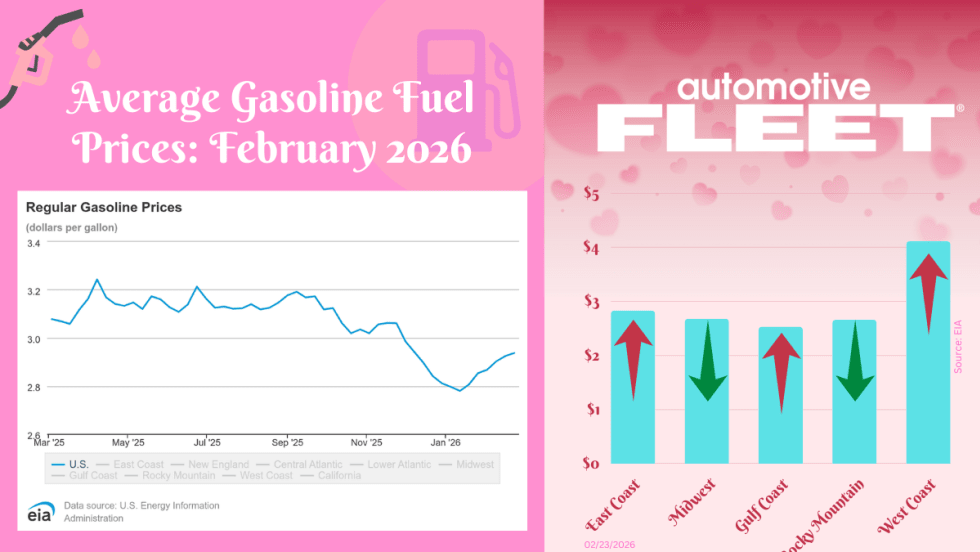
February Fuel Update: Prices Inch Higher for Third Week in a Row
The final February fuel update reveals prices continuing to inch higher for the third week in a row.
Read More →