




Data Demonstrates Increase in Mobility and Upsurge in COVID-19 Cases
Spireon data shows that 10-14 days after recent spikes in driving activity, there have been corresponding upticks in the number of reported cases of COVID-19.

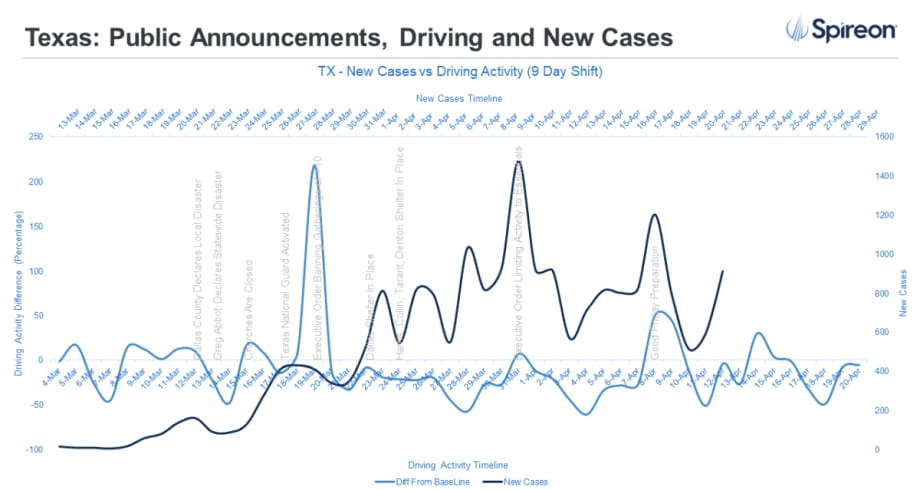
Spireon gathered and analyzed 8 billion data points nationwide, studying the driving activity of over three million vehicles starting March 1, to understand the relationship between spikes in driving and growth in the number of COVID-19 cases.
Source: Spireon
Spireon, a vehicle intelligence company, revealed an analysis of proprietary consumer driving data that signals a distinct relationship between increased driving that has occurred following stay-at-home orders and increase in COVID-19 cases both at the state and national level.
Specifically, Spireon data shows that 10-14 days after recent spikes in driving activity, there have been corresponding upticks in the number of reported cases of COVID-19.
This timeframe mirrors the incubation period of the virus, with the data serving as another indication that surges in public mobility can lead to an escalation of viral infections.
“As the coronavirus pandemic is sweeping across the nation, claiming the lives of thousands of Americans and causing disruption across industries, analysis of Spireon data shows clearly that having more vehicles on the road has negative implication for the spread of the virus,” stressed Spireon CEO Kevin Weiss. “The correlation between more driving activity and new cases of the virus further substantiates the importance of social distancing. We want these findings to serve as an important public service announcement as we all strategize ways to reopen the economy safely.”
Spireon gathered and analyzed 8 billion data points nationwide, studying the driving activity of more than 3 million vehicles starting March 1, to understand the relationship between spikes in driving and growth in the number of COVID-19 cases. Driving activity was measured against baseline reflecting average driving activity before COVID-19.
At the state level, an analysis of 1.1 million vehicles and 2.5 billion data points shows a significant increase in driving occurred immediately following the shelter-in-place orders in states such as California and Texas.
Subsequently, approximately 10-14 days after the surge in driving, the number of reported COVID-19 cases also rose. The 10-14 day delay in infections matches the duration of the COVID-19 incubation period, as outlined by the World Health Organization.
In Florida and Louisiana, spikes in driving during spring break yielded the same result. Nationwide, driving data reveal a significant uptick in driving over Easter weekend, from Friday, April 10 to Sunday, April 12, which is already beginning to reflect an increase of COVID-19 infections this week.
“As the largest aftermarket telematics supplier in the country, Spireon’s data analysis team has unique visibility to a large volume of commercial and consumer driving data,” said Prem Hareesh, senior vice president of software engineering at Spireon. “As COVID-19 has rapidly transformed American life, our team continues to analyze how state and federal order, major holidays and more are causing spikes in driving that leads to increase in viral infections.”
Spireon data also shows that reported COVID-19 cases notably dropped following a 40-50% downturn in driving activity at both the state and national level in late March. These findings support public health guidelines enforced during the pandemic and illustrate the strong causal relationship between mobility and increased infections.
Originally posted on Work Truck Online
More Telematics
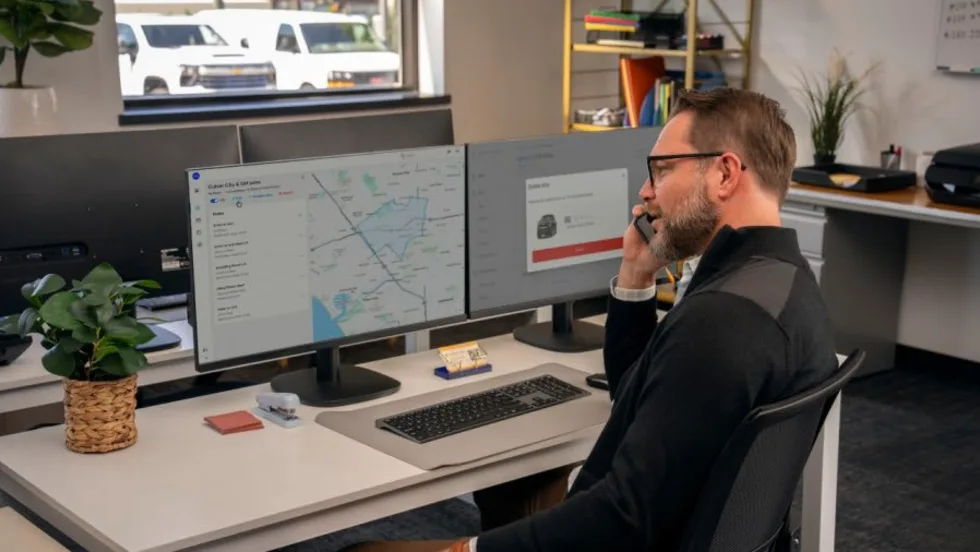
GM Launches OnStar Fleet Intelligence Platform With AI Assistant
The new platform brings vehicle data, order tracking, connected services and fleet analytics into one system, with an AI assistant that can answer fleet questions using natural-language prompts.
Read More →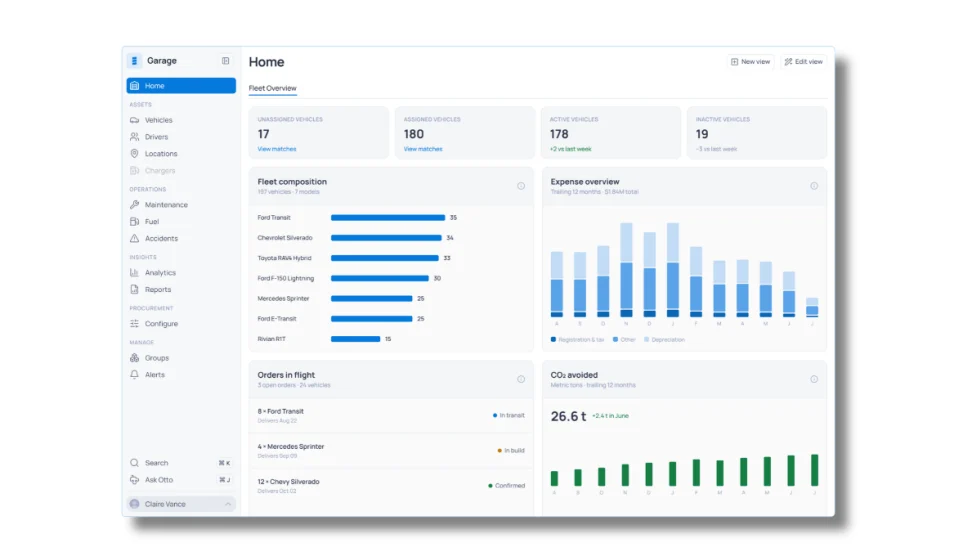
Inspiration Fleet Introduces Garage 2.0 Fleet Intelligence Platform
Fleet managers increasingly have access to data from vehicles, telematics, fuel, charging, and other systems, but those sources don't always communicate with one another. Inspiration Fleet's Garage 2.0 platform brings that information together while letting fleets keep working with different technology and service providers.
Read More →
Inside Inspiration Fleet’s New Platform for Connecting Fleet Data
Inspiration Fleet CTO Chris Getner explains how the new Garage 2.0 platform is designed to connect disparate fleet data and what that could mean for fleet managers in practice.
Read More →
Fleet Manager’s Ultimate Playbook: Navigating the New Standard in OEM Connectivity
Rising operating costs, driver safety concerns, and unplanned downtime are putting unprecedented pressure on modern fleets. Discover how fleet managers use embedded OEM connectivity and real-time vehicle data to cut TCO, prevent downtime, and protect drivers without aftermarket telematics hardware.
Read More →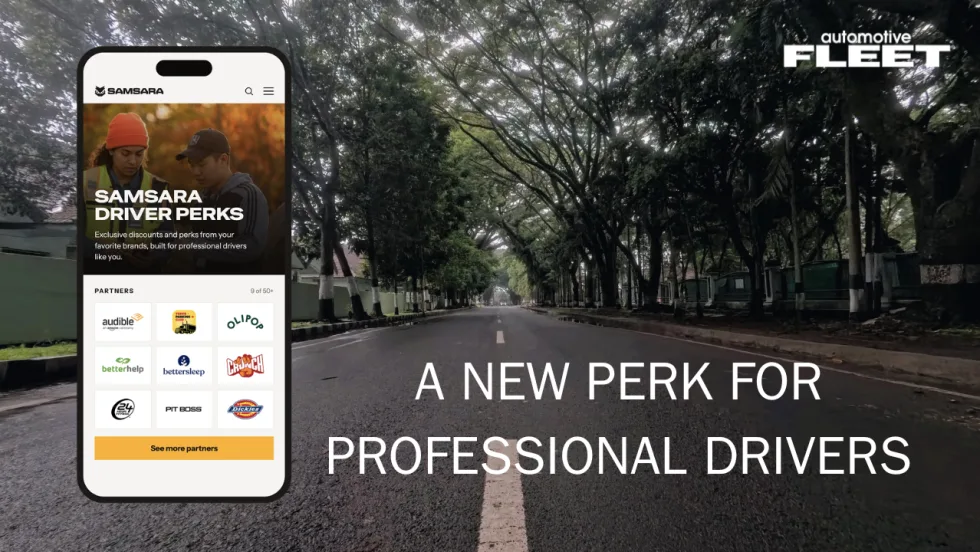
Samsara Driver Perks Adds New Benefit for Corporate Fleet Drivers
The rewards program gives eligible professional drivers access to discounts from more than 50 brands while giving fleets another way to support recruitment, retention, and the driver experience.
Read More →
Inside the Church of Jesus Christ of Latter-day Saints’ Two-Track Telematics Strategy
With 20,000 vehicles and two fundamentally different driver populations, the Church faced a fleet management problem that a single telematics program couldn't solve. How it responded offers a replicable framework for any fleet where one size doesn't fit every driver.
Read More →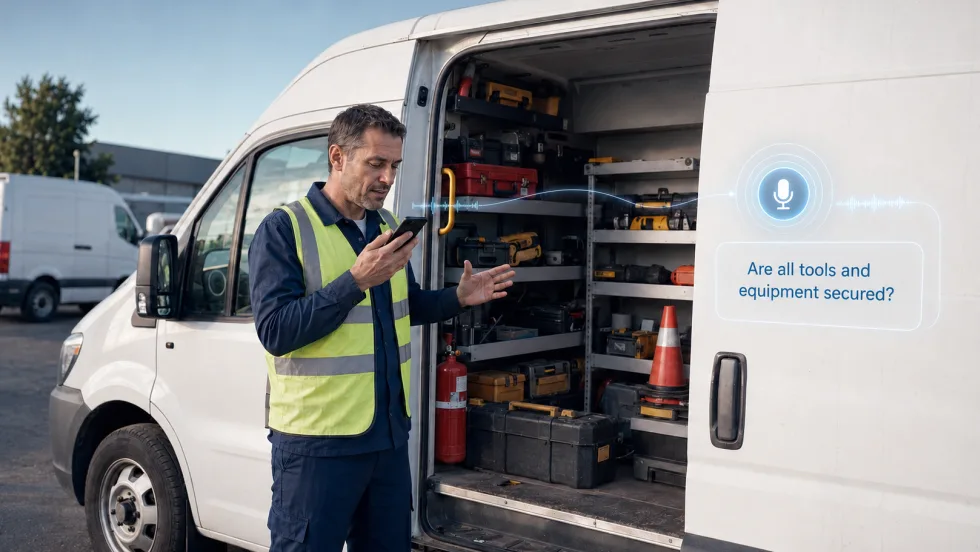
How Conversational AI Can Make Fleet Tasks Easier for Drivers
While most generative AI tools help fleet managers interpret data at their desks, Connex2X is applying voice interaction to tasks behind the wheel.
Read More →
Why Fleets Are Creating Dedicated Fleet Analyst Positions
Are fleet analyst positions the new norm? Listen here to find out.
Read More →
Teletrac Navman Begins Next Chapter as Standalone Private Company
What's new with Teletrac Navman and its new owner?
Read More →
Why Fleets Are Creating Dedicated Fleet Analyst Positions
Telematics, AI, EVs, and connected technologies are generating more fleet data than traditional teams can effectively manage. Reed Jackson explains why dedicated fleet analytics roles are emerging to turn that information into better operational decisions.
Read More →