




DALLAS --- The city of Dallas has started running much of its fleet on biodiesel fuel that contains a new additive to reduce NOx (oxides of nitrogen) emissions, one of the primary causes of the ozone pollution problem in North Texas. The additive, ORYXE LED for Biodiesel, recently received approval from the Texas Commission on Environmental Quality (TCEQ). This additive is blended with B20 biodiesel, which is a mix of 20 percent biodiesel and 80 percent petroleum diesel. Dallas is fueling several hundred vehicles with the new biodiesel blend, including sanitation trucks, utility trucks and construction equipment. The city plans to use approximately 350,000 gallons of the biodiesel per year. When compared to petroleum diesel, Environmental Protection Agency (EPA) data shows that biodiesel reduces most harmful emissions but increases NOx. TCEQ-supervised testing shows the ORYXE Energy technology cuts NOx to a level that's acceptable for biodiesel to meet state air-quality standards. "The city of Dallas is constantly striving to be at the forefront of clean technology, and we hope our example will lead to other large diesel fleets using this cleaner fuel blend," said Ramiro Lopez, who oversees fuel and environmental services for the Department of Equipment and Building Services. "With NOx being such a big issue in the Metroplex, we waited for this technology to become available so we could reintroduce biodiesel into our fleet." Tests on ORYXE LED for Biodiesel, which followed strict federal test procedures mandated by the TCEQ, were conducted at West Virginia University Engine and Emissions Research Laboratory. The B20 fuel treated with the ORYXE additive showed equivalent NOx levels to Texas Low Emission Diesel (TxLED) fuel (5.7 percent lower than standard EPA petroleum diesel). In addition to reducing NOx, the biodiesel blend with ORYXE Energy technology also reduced particulate matter (PM) by 28.8 percent, total hydrocarbons (THC) by 17.5 percent and carbon monoxide (CO) by 19 percent beyond the required TxLED levels.
Dallas Fleet Turns to Biodiesel With Special Additive
DALLAS --- The city of Dallas has started running much of its fleet on biodiesel fuel that contains a new additive to reduce NOx (oxides of nitrogen) emissions, one of the primary causes of the ozone pollution problem in North Texas.
More Fuel
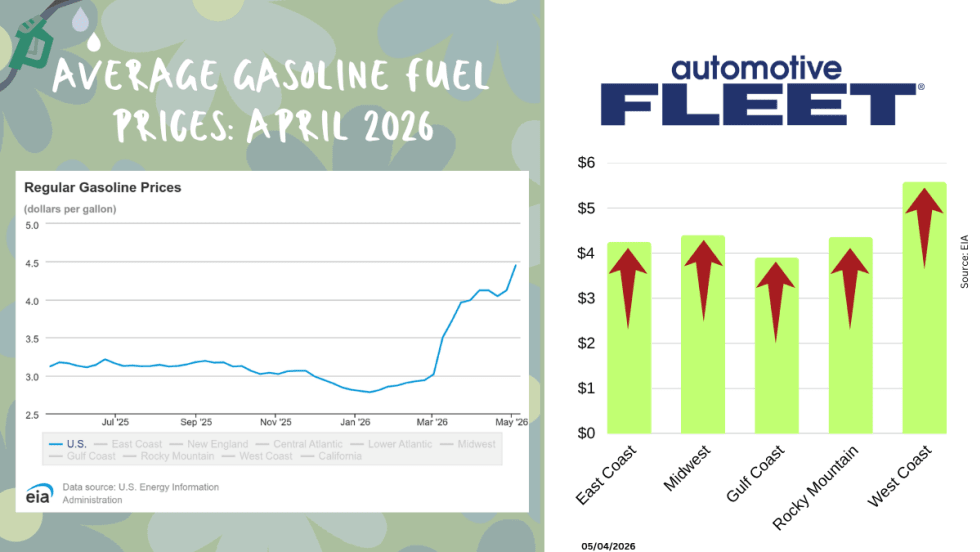
May Fuel Update: Prices Spike Again Across the Nation
Fuel prices have risen in all 50 states, with the average increasing by almost 39 cents.
Read More →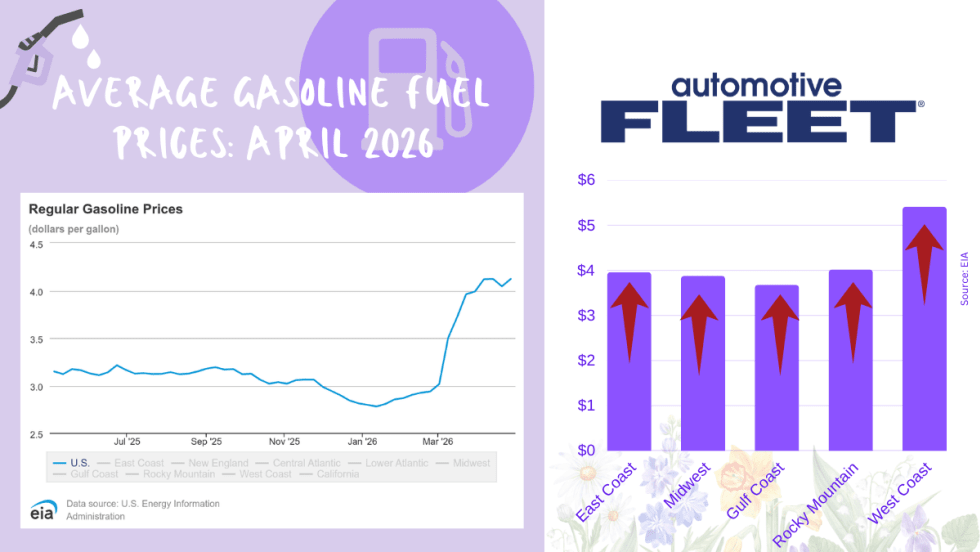
April Fuel Update: Prices Climb Above $4 as Spring Surge Accelerates
National average jumps to $4.04 per gallon, up sharply from last year, with West Coast prices topping $5 and further increases expected amid rising oil tensions.
Read More →
Tips from Fleet Managers on Saving Fuel Costs
Fleet leaders share practical strategies to reduce fuel spend through smarter policy, routing, and driver guidance.
Read More →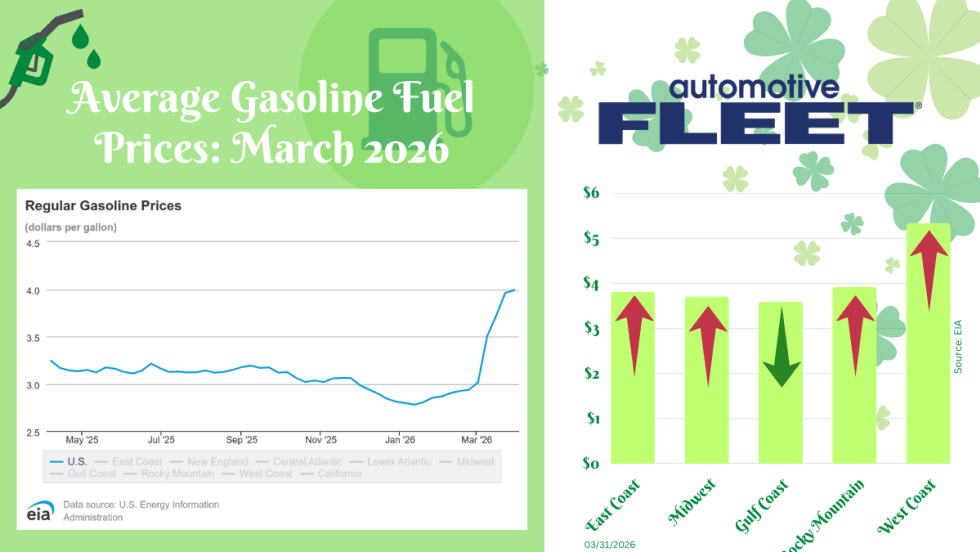
March Fuel Update: Prices Settle With a $4 Average
Fuel prices significantly slowed this week, but a $4 national average is still expected.
Read More →
Bob Adamsky on Fuel Volatility: “Don’t Panic — Have a Plan”
With oil prices rising again, AWP Safety’s fleet manager shares how to respond to rising fuel costs and how the right strategy can turn fuel spikes into cost-saving opportunities.
Read More →
Oil Market Turbulence Is Complicating Fleet Cost Planning
Rapid swings in crude oil prices driven by the conflict in the Middle East could create longer-term cost pressures for fleets, affecting fuel prices, supply chains, and vehicle strategy, says NTEA’s Andrew Wrobel.
Read More →
Artificial Intelligence in Field Service: North America
48% of field service leaders are investing in AI to manage customer communication and self-service. Get the latest on how fleets are using AI and thinking about the future.
Read More →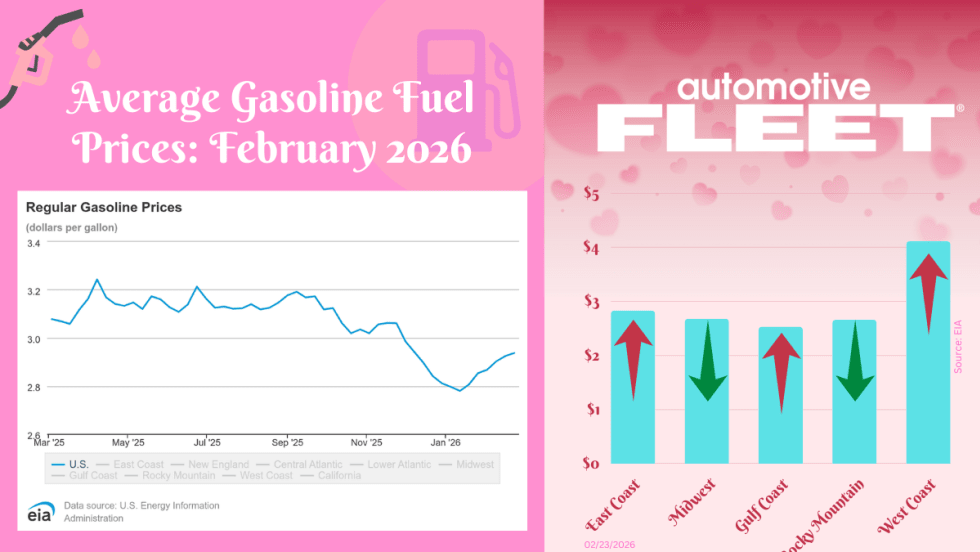
February Fuel Update: Prices Inch Higher for Third Week in a Row
The final February fuel update reveals prices continuing to inch higher for the third week in a row.
Read More →
The 2026 Fuel Economy Guide: Updated Cost and Efficiency Benchmarks for Fleets
Fleet managers can use the DOE’s 2026 Fuel Economy Guide to benchmark MPG across powertrain types using side-by-side vehicle ratings and compare new model-year options.
Read More →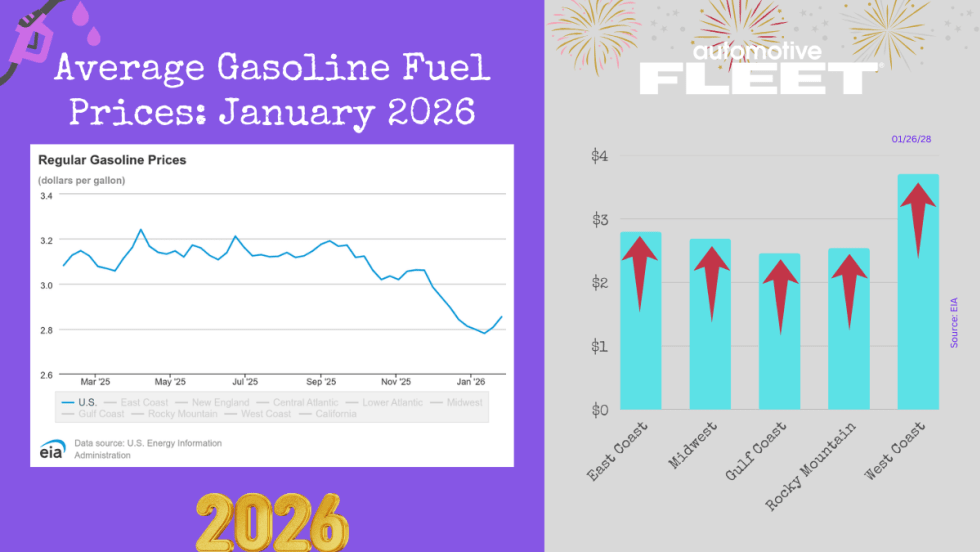
January Fuel Update: Prices Hit Highest Level Since Summer
The national average for fuel prices has officially risen to its highest point since the summer.
Read More →