




Daimler and Ford will Form Automotive Fuel Cell Company
AUBURN HILLS, MI and DEARBORN, MI – Daimler AG and Ford Motor Company are forming a new, privately held company that will focus on automotive fuel cell technology and allow the two automakers to further expand their global leading position in fuel cell technology.
AUBURN HILLS, MI and DEARBORN, MI – Daimler AG and Ford Motor Company are forming a new, privately held company that will focus on automotive fuel cell technology and allow the two automakers to further expand their global leading position in fuel cell technology. With a share of 50.1 percent, Daimler AG will be the majority stakeholder in the new company, Automotive Fuel Cell Cooperation (AFCC). Ford Motor Company will hold a 30 percent stake and Ballard Power Systems the remaining stake of 19.9 percent in AFCC.
“We have identified the future fields of activity and key technologies for zero-emission mobility and we are investing specifically in expanding our competencies in these fields,” said Dr. Thomas Weber, member of the board of management of Daimler AG with responsibility for group research as well as for development within Mercedes-Benz Cars. “Our majority stake and partnership with Ford in Automotive Fuel Cell Cooperation is a logical step in this direction.”
“The fuel cell remains one of the most viable solutions to develop a sustainable, zero-emissions vehicle,” said Dr. Gerhard Schmidt, Ford vice president for Research and Advanced Engineering. “The creation of the Automotive Fuel Cell Cooperation is an investment in our future. Fuel cells are the technology of the future and we are happy to be working with a great partner like Daimler to advance this technology. Through this partnership, we will work even harder to make fuel cell technology even more reliable and affordable for the future.”
The creation of AFCC will allow Daimler and Ford to concentrate on automotive fuel cell technology while Ballard will emphasize their future efforts on the marketing of non-automotive fuel cell applications.
“Automotive Fuel Cell Cooperation will orient its activities even more intensively to the specific requirements we make on fuel cell stacks,” said Prof. Dr. Herbert Kohler, vice president with responsibility for advanced vehicle and powertrain engineering and chief environmental officer of the Daimler Group. “With the newly founded company, we strengthen our leading position in the field of fuel cell technology and go full steam ahead in our preparations for the series production of fuel cell cars.”
Automotive Fuel Cell Cooperation will be managed by Daimler and Ford with their collective 80.1 percent stake in the new company, while Ballard will hold the remaining stake of 19.9 percent. In return, Daimler AG and Ford will retransfer their total stake in Ballard. The new company will employ approximately 150 people.
Fuel Cells at Daimler AG
A pioneer in fuel cell technology, Daimler introduced the world’s first fuel cell vehicle in 1994. Today, the company has more than 100 fuel cell vehicles on the road accumulating more than 3.7 million kilometers (2.3 million miles) in everyday operation with customers to date.
Fuel Cells Part of a Broader Effort at Ford
Ford Motor Company currently has a fleet of 30 hydrogen-powered Focus fuel cell vehicles on the road as part of a worldwide, seven-city program to conduct real world testing of fuel cell technology. The 30-car fleet has accumulated more than 965,000 kilometers (600,000 miles) since its inception in 2005.
Ford also is conducting tests with the world’s first plug-in hybrid electric vehicle, the Ford Edge with HySeries Drive. The Ford Edge with HySeries Drive uses a series electric drivetrain with an onboard hydrogen fuel cell generator to give the vehicle a range of 225 miles with zero emissions.
Ford currently offers gasoline-electric hybrids including the Escape Hybrid and Mercury Mariner Hybrid. The company will begin production of hybrid versions of the Ford Fusion and Mercury Milan in 2008.
More Fuel

Bob Adamsky on Fuel Volatility: "Don't Panic, Have a Plan."
When it comes to up and down fuel prices, Adamsky has a message for fleets: “Don’t panic.”
Read More →
How Fleets Can Gain Control of Non-Fuel Spend
Fuel often gets the spotlight, but non-fuel expenses can have a major impact on fleet costs. Ramel Lindsay of U.S. Bank Voyager discusses how fleets can gain better visibility and control over these often-overlooked expenditures.
Read More →
Fuel is Just the Start: How Middle East Tensions are Driving Up Fleet Maintenance Costs
The Middle East conflict is doing more than pushing up fuel prices. It’s also raising the cost of key maintenance products your fleet depends on, from motor oil to tires to windshield wipers. Here’s what you need to know about this budget-busting situation.
Read More →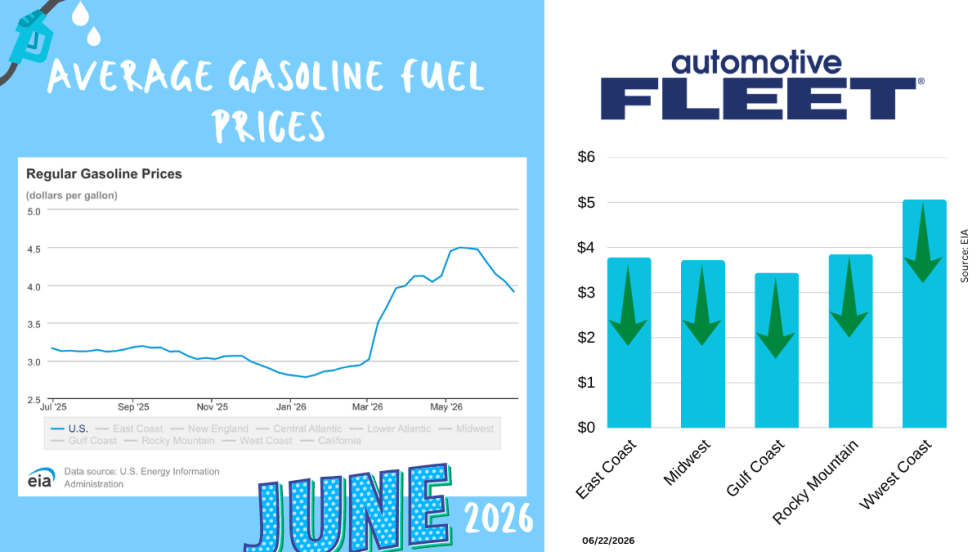
June Fuel Update: Prices Fall Below $4
Drivers are finally getting some relief at the pump. The national average gas price has dropped below $4 a gallon for the first time in months, with prices falling in 47 states as oil markets react to developments in U.S.-Iran negotiations.
Read More →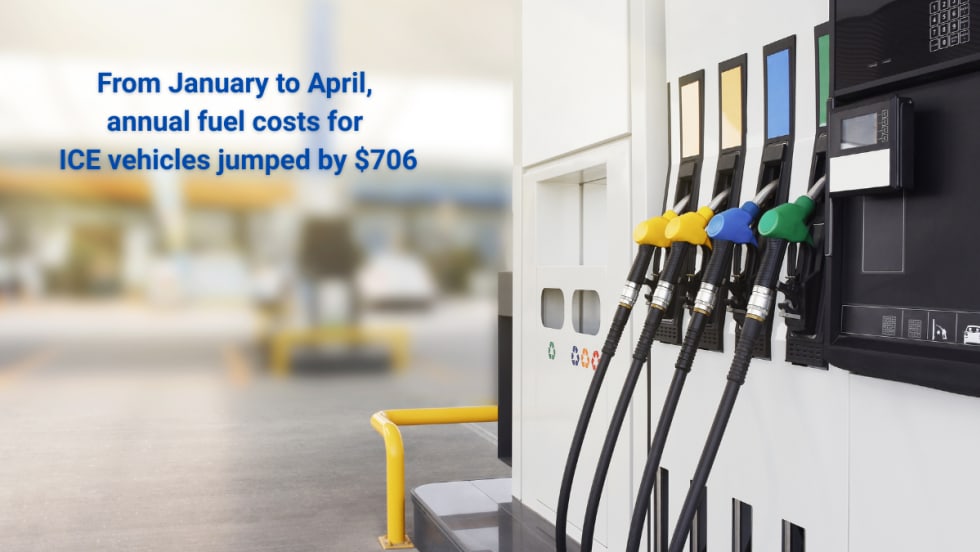
Study: How 2026's Gas Price Hikes Affect Different Vehicle Types
New data from iSeeCars reveals how rising fuel costs have affected different vehicle segments as gasoline prices climbed nearly 46% over the past four months.
Read More →
Are You Tracking Your Fleet's True Total Cost of Ownership?
Bobit Business Media surveyed 190 fleet professionals and found that while most fleets are tracking costs, fragmented systems and data gaps are keeping true TCO visibility out of reach. With rising pressure to control spend in an increasingly volatile environment, the gap between what fleets think they know and what the data actually shows is wider than you might expect. See how your peers are managing costs today and where the industry still has room to improve.
Read More →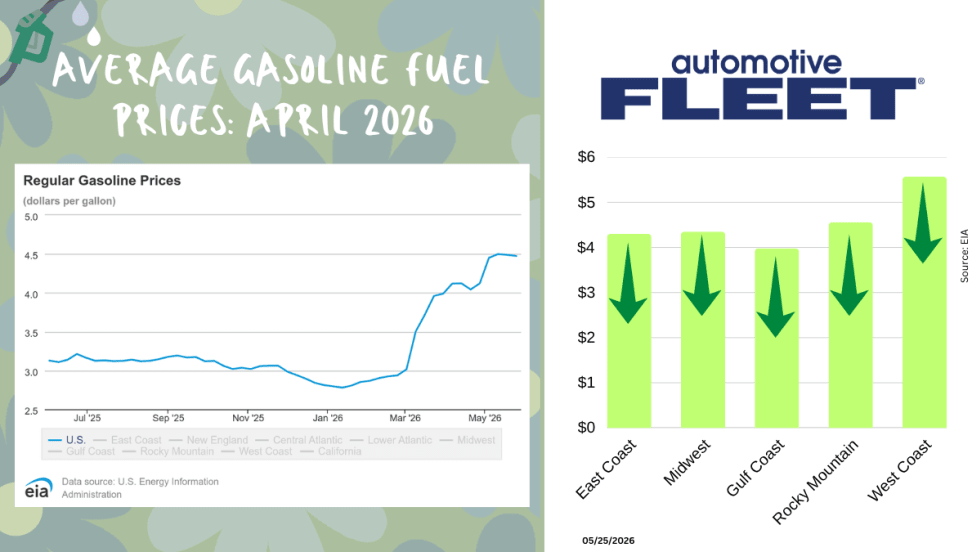
May Fuel Update: All Regions Experience Declines
Gas prices are finally easing in much of the country, but experts warn global tensions could quickly reverse the trend as the national average remains well above last month’s levels.
Read More →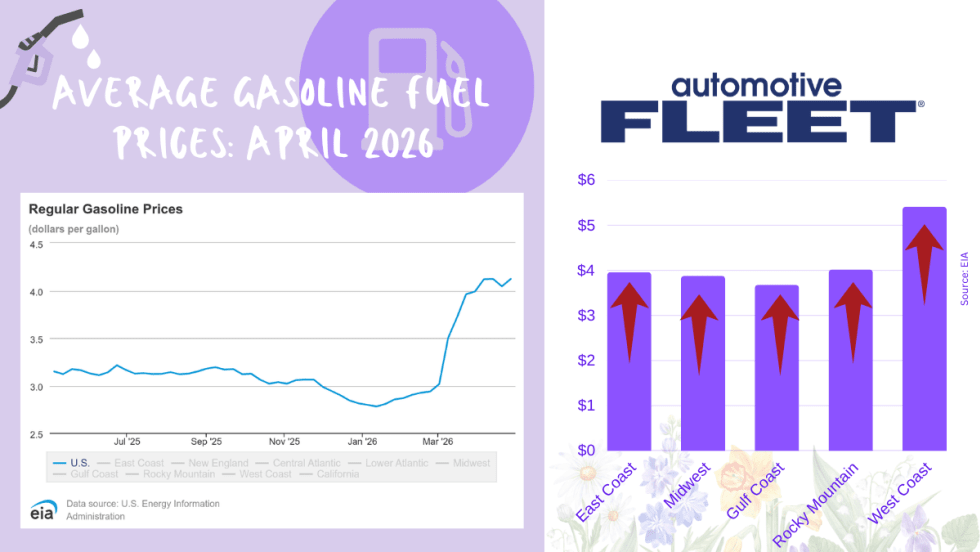
April Fuel Update: Prices Climb Above $4 as Spring Surge Accelerates
National average jumps to $4.04 per gallon, up sharply from last year, with West Coast prices topping $5 and further increases expected amid rising oil tensions.
Read More →
Tips from Fleet Managers on Saving Fuel Costs
Fleet leaders share practical strategies to reduce fuel spend through smarter policy, routing, and driver guidance.
Read More →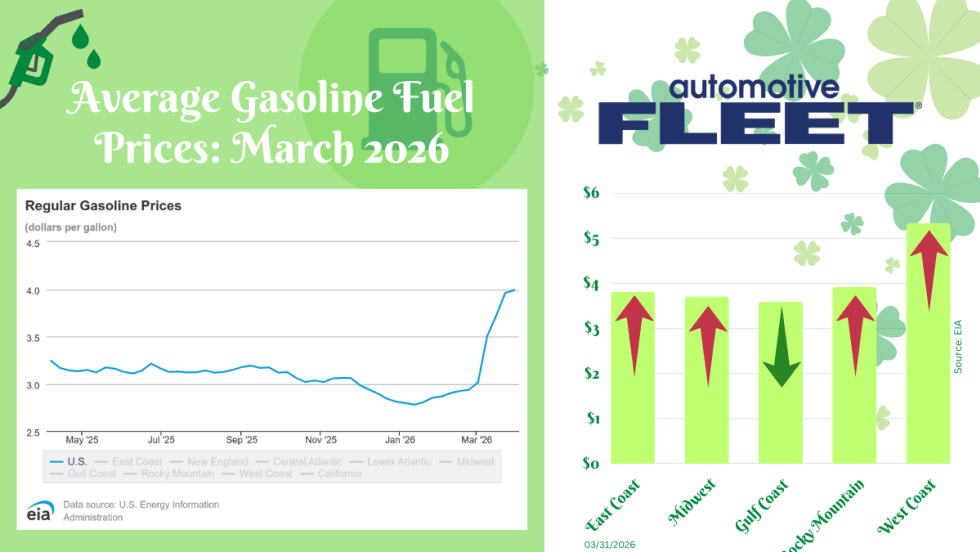
March Fuel Update: Prices Settle With a $4 Average
Fuel prices significantly slowed this week, but a $4 national average is still expected.
Read More →