





Background Article: How Cox Automotive Makes Inroads With Tech Training
Cox Launches Technician Diversity Campaign
A female mechanic is leading an initiative to honor and recognize women’s crucial role in the transportation industry and support for those fighting breast cancer.
January 12, 2024
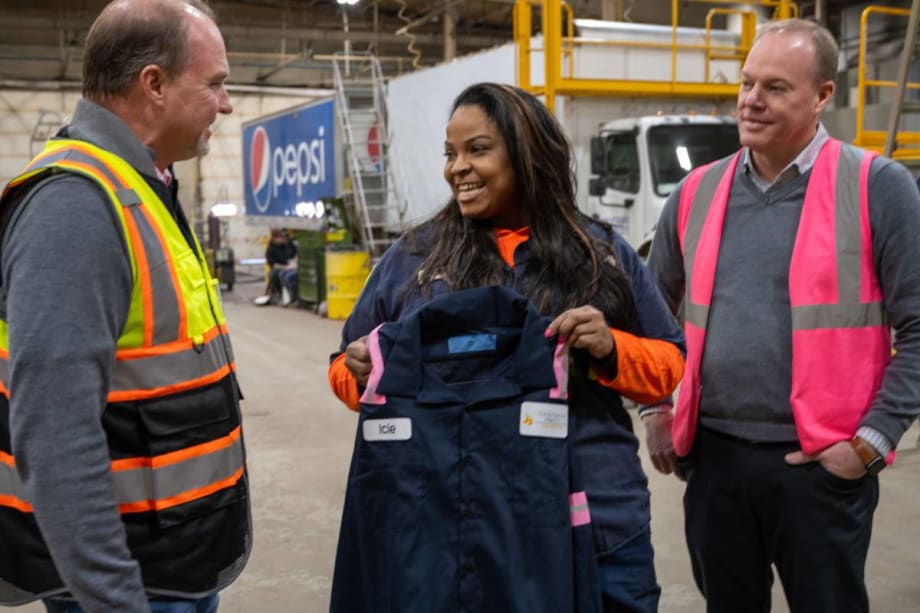
Cox Automotive Fleet Services technician Icie Hinton (center) said Project Pink creates meaningful connections with coworkers and builds strong professional relationships with male colleagues.
Photo: Cox Automotive
2 min to read
Cox Automotive on Jan. 12 unveiled its Project Pink campaign that recognizes diversity among its fleet services and Manheim technicians while supporting breast cancer awareness.
Icie Hinton, a female trailer shop technician with Cox Automotive Fleet Services and a graduate of Cox Automotive’s FleeTec Academy, created this initiative to honor and recognize women’s crucial role in the transportation industry and as a sign of support for those fighting breast cancer. Women make up just 3.6% of all auto mechanics.
Project Pink features pink uniforms for female technicians at Cox Automotive. Hinton developed the idea while participating in Cox Automotive’s "Women Who Wrench," a yearlong mentoring program that pairs female technicians with those in leadership roles. “This pink uniform helps normalize the idea of a woman proudly wrenching,” Hinton said in a news release. “I hope these uniforms act as a catalyst to normalize women doing tough and dirty jobs that are traditionally perceived as exclusively masculine.”

Hinton developed the idea for Project Pink while participating in Cox Automotive’s "Women Who Wrench," a yearlong mentoring program that pairs female technicians with those in leadership roles.
Photo: Cox Automotive
In collaboration with Cintas, Cox Automotive has developed high-quality, durable uniforms that meet safety regulations while offering comfort. The uniforms, embellished with the Cox Automotive Fleet Services or Manheim logos, are more than just work attire; they are a statement of commitment and community. They also show how Cox Automotive is working to attract, recruit, and develop female talent who have been underrepresented in a traditionally male-dominated field.
At first, eight female technicians received these special uniforms. However, Cox Automotive envisions expanding this initiative and involving male allies to broaden its impact and reach. “On a granular level, this pink uniform is a conversation starter with my peers,” Hinton said. “It’s created meaningful connections with my coworkers who compliment my uniform colors and even jokingly express jealously saying, ‘How did you get a pink uniform? Where can I get my pink uniform?!’ It’s a great way to continue to build strong professional relationships with male colleagues in this small but meaningful way.”
“The impact that Icie Hinton, among other female technicians, is making through Project Pink is remarkable," said Son Wing, lead trailer repair technician and mentor to Hinton. "Their involvement in this cause is not just inspiring; it’s transformative. Icie’s leadership in this campaign reflects the spirit of change and empowerment that we strive for at Cox Automotive."
More Maintenance

Sponsored•October 1, 2026
Fleet Manager’s Ultimate Playbook: Navigating the New Standard in OEM Connectivity
Rising operating costs, driver safety concerns, and unplanned downtime are putting unprecedented pressure on modern fleets. Discover how fleet managers use embedded OEM connectivity and real-time vehicle data to cut TCO, prevent downtime, and protect drivers without aftermarket telematics hardware.
Read More →
How Can Fleet Managers Tell Which Repairs Require Closer Review?
Fleetio’s Brianna Perry demonstrates how Service Advisor evaluates maintenance requests, identifies pricing anomalies, and provides the context fleet managers need to focus their attention on potential problems.
Read More →
Why Roadside Assistance Belongs in a Fleet Risk Strategy
Roadside assistance is more than a tow. See how the right partner can protect drivers, uncover fleet trends, and strengthen your risk strategy.
Read More →
Sponsored•August 7, 2026
Hidden in Plain Sight: Fleet Compliance Risks
Fleet compliance isn't just about having policies — it's about consistently enforcing them. This practical guide reveals six hidden compliance risks common in public sector and shared fleet operations and outlines proven strategies to improve visibility, accountability, and audit readiness
Read More →
How Maintenance Costs Compare Across 27 Fleet Vehicles
Vincentric’s three-year, 60,000-mile projections reveal wide differences for both scheduled and unscheduled maintenance among selected vehicle categories. Projected maintenance visits also play a factor.
Read More →
The EV Breakdown Nobody's Talking About: Why Most Electric Vehicle Roadside Calls Aren't Mechanical Failures
Here's why EV breakdowns are widely misunderstood.
Read More →
How Stellantis Plans to Get Ahead of Fleet Downtime
Keeping fleet vehicles on the road has become as important as buying them. Darren Bradshaw of Mopar North America explains how connected vehicle data, AI, and proactive service strategies are helping Stellantis reduce downtime and move closer to predictive maintenance.
Read More →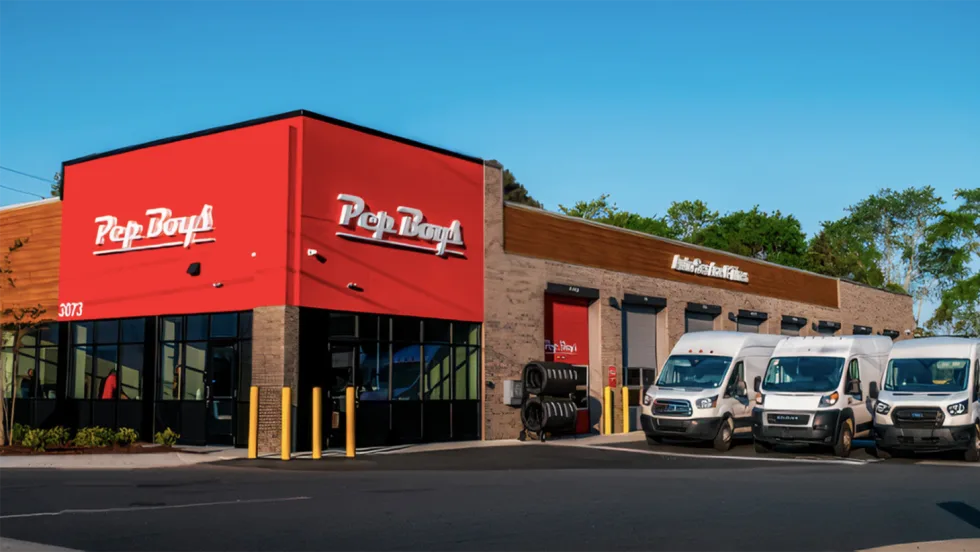
Merchants Fleet Expands Maintenance Network with Pep Boys
Merchants Fleet has expanded its relationship with Pep Boys, increasing the service provider's role within its national maintenance network. The move is intended to enhance maintenance coordination and support commercial fleets through Pep Boys' nationwide footprint.
Read More →
The Two Biggest Summer Downtime Threats for Fleets
A conversation with a maintenance expert reveals the two most common summer maintenance pains and how to prevent them.
Read More →
From Marine Corps Motor Pool to Managing 460 Fleet Vehicles
Cesar Ayala of O’Connell Landscape Maintenance shares how he transitioned from the Marine Corps to managing a 460-vehicle fleet—and the real-world challenges of maintenance, compliance, and driver management in California.
Read More →