




Concern About Possible Natural Gas Measurement Changes for Vehicles
A group dedicated to the development of a market for natural gas powered vehicles has issued a call to action over possible changes in the way compressed natural gas and liquefied natural gas are priced and sold.
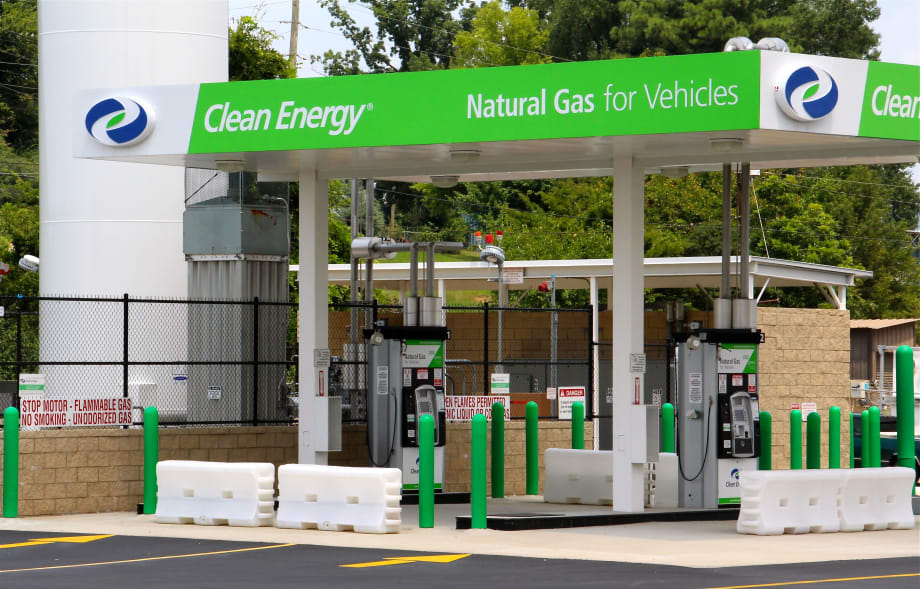
Photo: Evan Lockridge
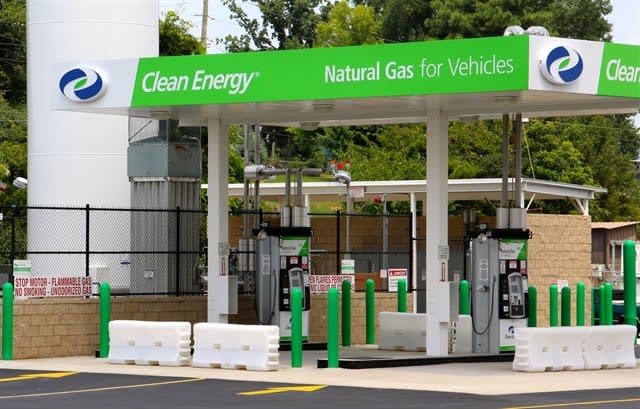
Photo: Evan Lockridge
A group dedicated to the development of a market for natural gas powered vehicles has issued a call to action over possible changes in the way compressed natural gas and liquefied natural gas are priced and sold.
NGVAmerica is urging members and customers to contact state weights and measures officials, along with other state officials, to get them to support the adoption of a national diesel gallon equivalent standard, also known as DGE, for CNG and LNG.
“This standard would allow CNG and LNG to be sold in a way that allows for ready comparison with diesel fuel at retail stations,” the group says.
The National Conference of Weights and Measures Natural Gas Vehicle Steering Committee is reportedly considering this issue. However, NGVAmerica says there is no consensus on moving this issue forward at this time, because several state officials oppose adoption of the DGE standard. In fact, some state officials even advocating doing away with the gasoline gallon equivalent standard currently in place for CNG, according to the group. NGVAmerica says some state officials want to see both CNG and LNG sold in kilograms.
The NCWM’s NGV Steering Committee is reportedly working to develop a proposal by the end of February in order for this issue to be available for possible voting later this summer at the NCWM annual meeting.
Standards adopted by the National Conference of Weights and Measures in 1994 require CNG to be sold in gasoline gallon equivalents, also know as GGE. Supporters of this standard say it has benefited consumers and industry alike because it provides a common unit for comparing the average energy in CNG to the average energy in a gasoline gallon.
NGVAmerica says the natural gas industry has requested that NCWM adopt a diesel gallon equivalent unit for CNG, and that LNG that is sold to truckers and other users who typically use diesel fuel.
From the purchaser’s perspective, the pump display and readings would show the number of DGE units dispensed, and information would be provided on the pump to show how natural gas is converted to DGE units, according to NGVAmerica.
Under the NCWM proposal, LNG would only be sold in DGE units, since LNG is expected to be used exclusively as a heavy-duty vehicle fuel. CNG, however, would be dispensed in GGE units at retail outlets serving the general public and would be sold in DGE units on pumps selling to trucks and heavy-duty vehicles.
NGVAmerica says the change is needed because of significant national interest in promoting increased use of natural gas in heavy-duty vehicles where diesel fuel has traditionally been used.
“The federal government and many state governments currently have in place policies intended to expand the use of natural gas as a transportation fuel,” the group says. “Private firms are investing hundreds of millions of dollars establishing a national network of retail fueling stations to supply this fuel to motor vehicles. Development of a weights and measures standard for a DGE of natural gas will complement the effort made 20 years ago to create the GGE standard.”
“A number of key state weights and measures officials do not support adoption of a DGE unit or the continued use of the GGE unit as the primary methods of selling natural gas,” NGVAmerica says. “Instead, these officials support a proposal to require that natural gas be sold in kilograms, despite the fact that there is no industry support for such a standard and no fueling stations currently sell natural gas in kilograms in the U.S.”
The group claims these state officials say that all fuels should be dispensed in metric units but currently only plan to require this for natural gas.
“This proposal is not only discriminatory, but will put natural gas at a significant disadvantage to other fuels by creating confusion for consumers who are not used to purchasing motor fuel in mass units, let alone kilograms. This standard will increase the cost of new pumps and it will impose costly retrofit of existing pumps,” according to NGVAmerica.
More Fuel

Turning Fleet Payment Data into Executive Insights
Ramel Lindsay of U.S. Bank Voyager discusses how fleets can transform payment and transaction data into actionable intelligence to reduce costs, improve oversight, and support executive decision-making.
Read More →
Why the IRS Raised Its Mileage Rate in the Middle of 2026
Fuel-price volatility drove the rare increase to 76 cents per mile, the fifth midyear adjustment since 2000.
Read More →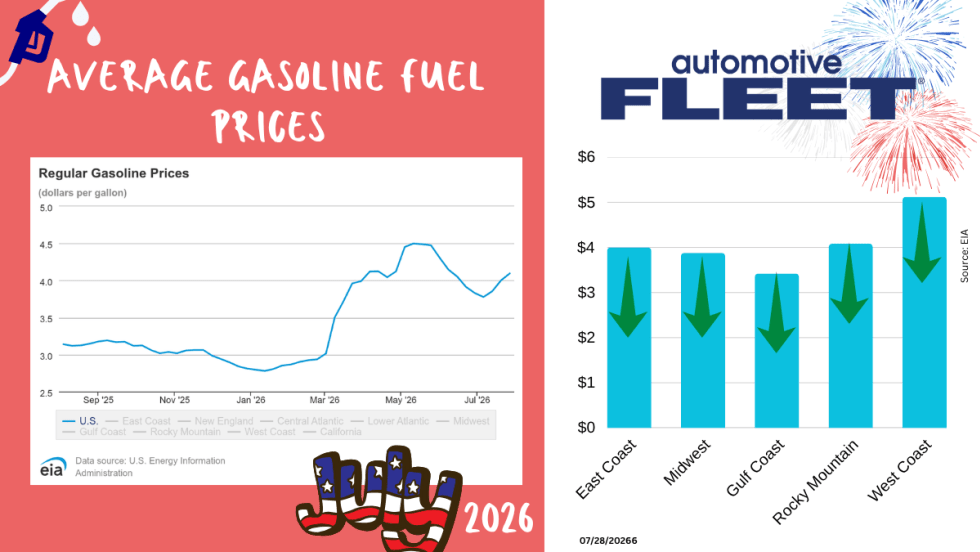
July Fuel Update: Prices Keep Rising in Light of More Conflict
Gas prices continue to rise as more and more conflicts do, too.
Read More →
Bob Adamsky on Fuel Volatility: "Don't Panic, Have a Plan."
When it comes to up and down fuel prices, Adamsky has a message for fleets: “Don’t panic.”
Read More →
How Fleets Can Gain Control of Non-Fuel Spend
Fuel often gets the spotlight, but non-fuel expenses can have a major impact on fleet costs. Ramel Lindsay of U.S. Bank Voyager discusses how fleets can gain better visibility and control over these often-overlooked expenditures.
Read More →
Fuel is Just the Start: How Middle East Tensions are Driving Up Fleet Maintenance Costs
The Middle East conflict is doing more than pushing up fuel prices. It’s also raising the cost of key maintenance products your fleet depends on, from motor oil to tires to windshield wipers. Here’s what you need to know about this budget-busting situation.
Read More →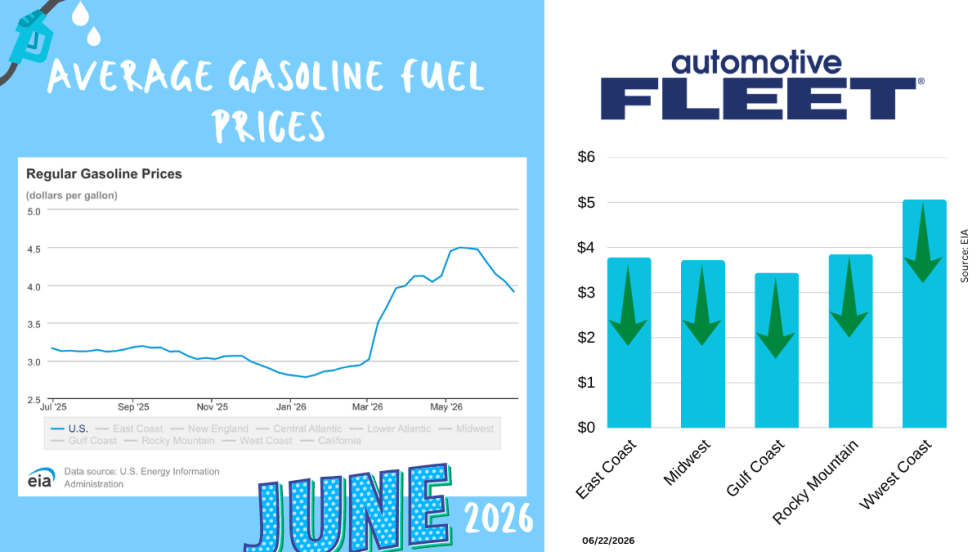
June Fuel Update: Prices Fall Below $4
Drivers are finally getting some relief at the pump. The national average gas price has dropped below $4 a gallon for the first time in months, with prices falling in 47 states as oil markets react to developments in U.S.-Iran negotiations.
Read More →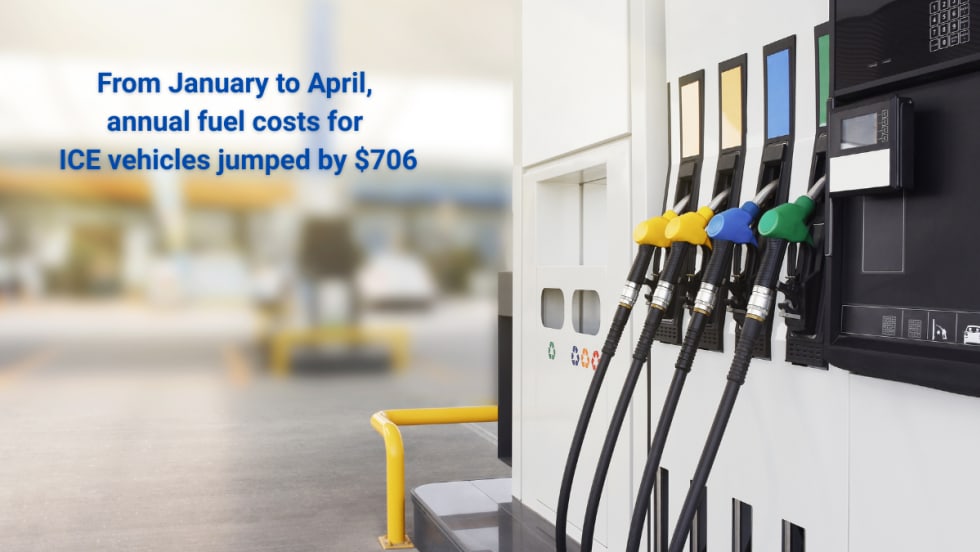
Study: How 2026's Gas Price Hikes Affect Different Vehicle Types
New data from iSeeCars reveals how rising fuel costs have affected different vehicle segments as gasoline prices climbed nearly 46% over the past four months.
Read More →
Are You Tracking Your Fleet's True Total Cost of Ownership?
Bobit Business Media surveyed 190 fleet professionals and found that while most fleets are tracking costs, fragmented systems and data gaps are keeping true TCO visibility out of reach. With rising pressure to control spend in an increasingly volatile environment, the gap between what fleets think they know and what the data actually shows is wider than you might expect. See how your peers are managing costs today and where the industry still has room to improve.
Read More →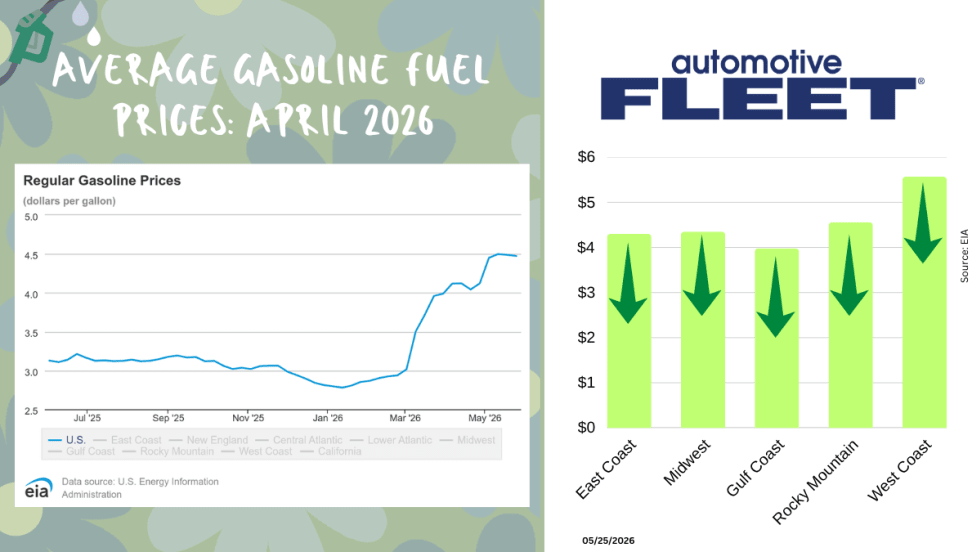
May Fuel Update: All Regions Experience Declines
Gas prices are finally easing in much of the country, but experts warn global tensions could quickly reverse the trend as the national average remains well above last month’s levels.
Read More →