




Commercial Hybrid Market to Reach 222,000 Total Units by 2016 in N.A. & Europe Combined
SAN ANTONIO - Incentives and federal grants are expected to propel the adoption of hybrid commercial vehicles in North America and Europe, according to a study by Frost & Sullivan.
SAN ANTONIO- Incentives and federal grants are expected to propel the adoption of hybrid commercial vehicles in North America and Europe, according to a study by Frost & Sullivan. Better fuel efficiency, lower emissions and fewer maintenance costs are also all highly desirable features, especially in sprawling mega cities and increasingly congested urban clusters.
Frost & Sullivan's study, "Strategic Analysis of North American and European Hybrid Truck, Bus and Van Market," finds that the hybrid truck, bus and van market is expected to grow from 4,100 units in 2009 to 222,000 units by 2016. The vehicles covered in this study include: light commercial vehicles, medium commercial vehicles, heavy commercial vehicles and buses.
"Amongst alternative powertrain technologies and fuels, hybrid commercial vehicles exert the least pressure on the existing energy and transportation infrastructure and require only minimal modification to the current fuelling infrastructure," saidFrost & Sullivan Global Programme Manager Sandeep Kar. "This aspect of hybrid commercial vehicles is acting as one of the strongest market drivers in North America and Europe, attracting governments, commercial vehicle manufacturers, and potential consumers alike towards supporting and accepting hybrid commercial vehicles."
In the commercial vehicle industry, the return-on-investment potential is a key determinant for adoption of new technologies. Fuel price volatility, government incentives and low lifecycle costs associated with hybrid trucks are all in favor of hybrid commercial vehicles, according to Frost & Sullivan.
However, hybrid trucks feature energy storage systems, control and power electronics and rotating machines, which are expensive technologies creating considerable cost barriers to potential adopters. Furthermore, storage systems such as batteries must be replaced every four to five years based on the vocational application.
"Currently, the high upfront cost associated with hybrids is countered with federal grants, incentives and tax rebates," explained Kar. "Although such incentives offer relief in the short term, for hybrids to be commercially viable in the long term, the upfront cost difference should reduce considerably."
Private fleets in North America and Europe have emerged as early adopters of hybrid commercial vehicles. However, robust volume growth can be attained through the penetration of for-hire fleets.
"Standardization of key enabling technologies will not only reduce R&D expenses and complexity but also create a foundation for launching aggressive price reduction strategies that are necessary for stoking market growth," concluded Kar.
More Fuel

Turning Fleet Payment Data into Executive Insights
Ramel Lindsay of U.S. Bank Voyager discusses how fleets can transform payment and transaction data into actionable intelligence to reduce costs, improve oversight, and support executive decision-making.
Read More →
Why the IRS Raised Its Mileage Rate in the Middle of 2026
Fuel-price volatility drove the rare increase to 76 cents per mile, the fifth midyear adjustment since 2000.
Read More →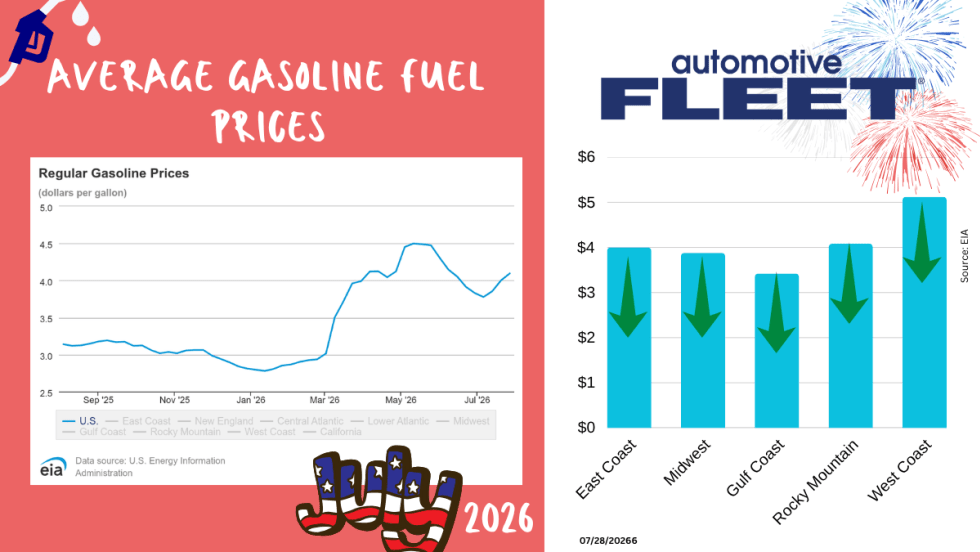
July Fuel Update: Prices Keep Rising in Light of More Conflict
Gas prices continue to rise as more and more conflicts do, too.
Read More →
Bob Adamsky on Fuel Volatility: "Don't Panic, Have a Plan."
When it comes to up and down fuel prices, Adamsky has a message for fleets: “Don’t panic.”
Read More →
How Fleets Can Gain Control of Non-Fuel Spend
Fuel often gets the spotlight, but non-fuel expenses can have a major impact on fleet costs. Ramel Lindsay of U.S. Bank Voyager discusses how fleets can gain better visibility and control over these often-overlooked expenditures.
Read More →
Fuel is Just the Start: How Middle East Tensions are Driving Up Fleet Maintenance Costs
The Middle East conflict is doing more than pushing up fuel prices. It’s also raising the cost of key maintenance products your fleet depends on, from motor oil to tires to windshield wipers. Here’s what you need to know about this budget-busting situation.
Read More →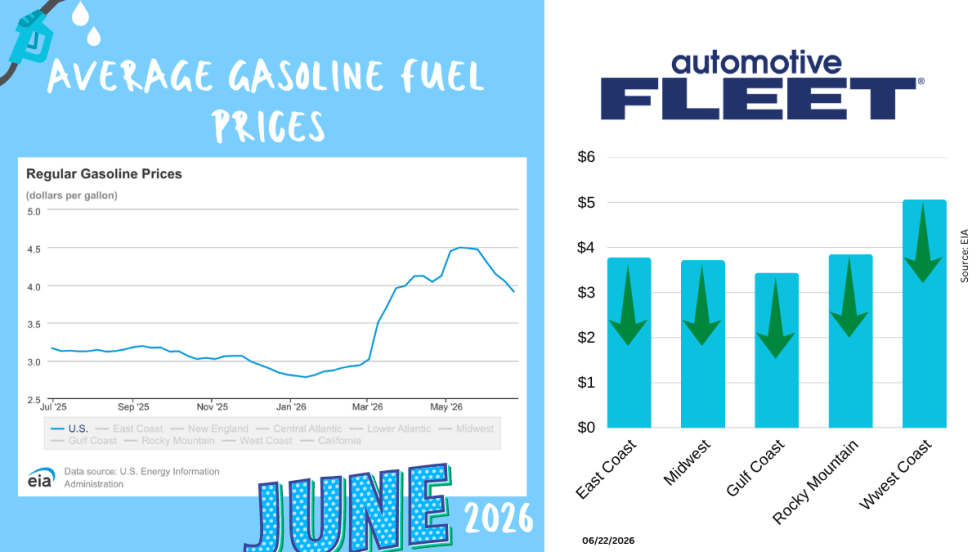
June Fuel Update: Prices Fall Below $4
Drivers are finally getting some relief at the pump. The national average gas price has dropped below $4 a gallon for the first time in months, with prices falling in 47 states as oil markets react to developments in U.S.-Iran negotiations.
Read More →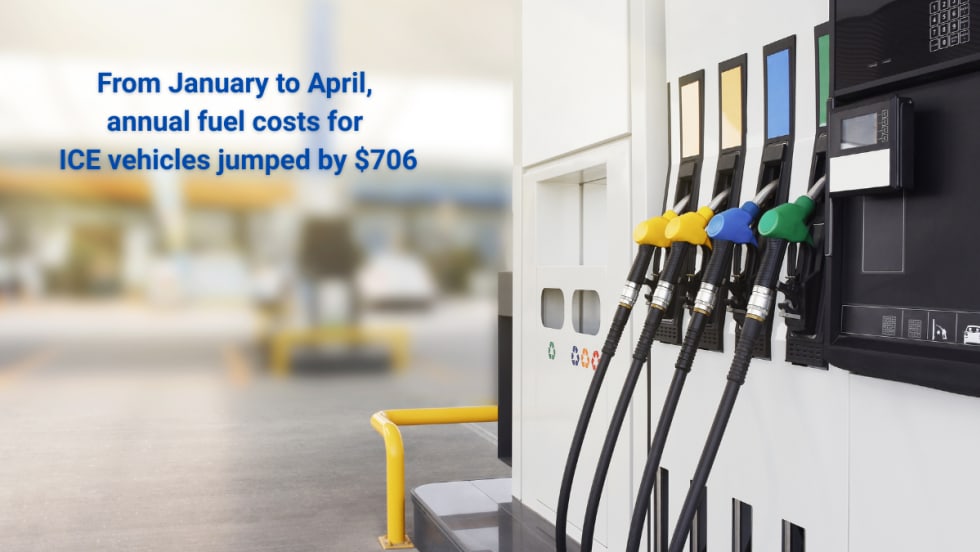
Study: How 2026's Gas Price Hikes Affect Different Vehicle Types
New data from iSeeCars reveals how rising fuel costs have affected different vehicle segments as gasoline prices climbed nearly 46% over the past four months.
Read More →
Are You Tracking Your Fleet's True Total Cost of Ownership?
Bobit Business Media surveyed 190 fleet professionals and found that while most fleets are tracking costs, fragmented systems and data gaps are keeping true TCO visibility out of reach. With rising pressure to control spend in an increasingly volatile environment, the gap between what fleets think they know and what the data actually shows is wider than you might expect. See how your peers are managing costs today and where the industry still has room to improve.
Read More →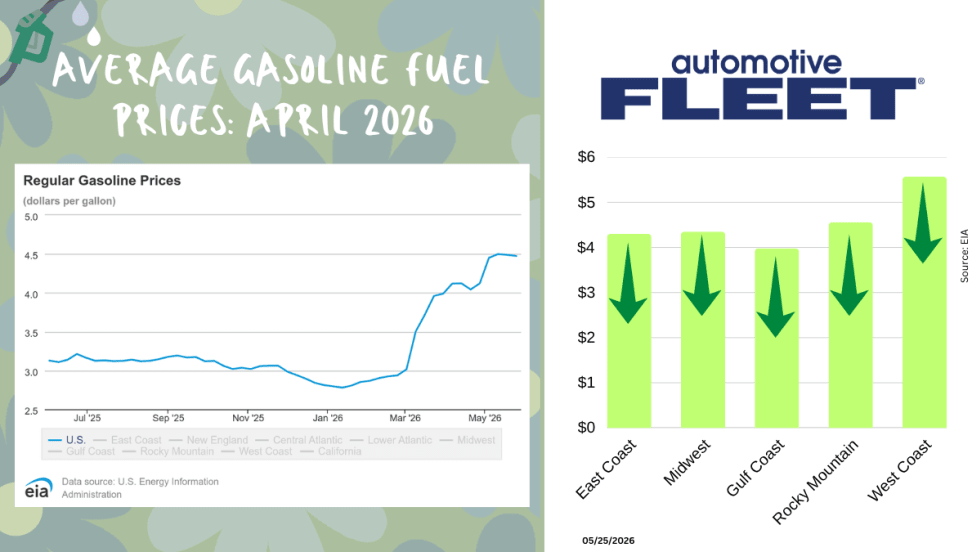
May Fuel Update: All Regions Experience Declines
Gas prices are finally easing in much of the country, but experts warn global tensions could quickly reverse the trend as the national average remains well above last month’s levels.
Read More →