




ComEd Awarded $4M to Expand Green Efforts
CHICAGO - The company has been awarded a total of $4 million in federal economic stimulus funding to expand its alternative-fuel fleet.
CHICAGO- Commonwealth Edison Company (ComEd) has been awarded a total of $4 million in federal economic stimulus funding to expand its alternative-fuel fleet.
ComEd received notice of a $1.5 million grant from the City of Chicago that stems from $15 million in American Recovery and Reinvestment Act (ARRA) funding awarded to the city by the U.S. Department of Energy (DOE) under its Clean Cities Grant program. It will use the funding to acquire up to 14 new hybrid and plug-in electric hybrid vehicles over the next two years, adding to the 10 plug-in hybrid electric vehicles and 151 hybrids already in use. The company's green vehicles number more than 2,100, which comprises 63 percent of its overall fleet.
ComEd also plans to test solar-powered vehicle charging infrastructure as part of its study of plug-in electric vehicle usage and its impact on the electric system.
The Clean Cities funding also will be used to deploy "smart charging" infrastructure at ComEd facilities that will enable the company to continue studying the impacts of vehicle charging while managing the electric load associated with these vehicles. ComEd's vehicle charging infrastructure will include one station equipped with solar canopies and stationary battery storage to capture solar-electric energy and use it to recharge the vehicles. The utility also will deploy up to 32 public vehicle smart charging stations in the Chicago area, including one solar-powered station. The public charging stations will be located with the help of the City of Chicago, the Chicago Area Clean Cities coalition, and other community partners to ensure optimal charging opportunities for users of plug-in vehicle technology.
ComEd also is participating in the DOE's Transportation Electrification grant program in partnership with the Electric Power Research Institute (EPRI) and more than 50 other utilities to demonstrate the performance of plug-in hybrid electric bucket trucks in operational conditions. Backed by $45 million in ARRA funding, the program will help put more than 300 energy-efficient bucket trucks into use across the country, 25 of which will be deployed by ComEd over the next two years.
"We also will use smart charging technology to study the impact of large plug-in vehicles on the electric grid, while demonstrating advanced, automated methods for managing usage, such as time-of-day charging, and aggregate load management for groups of vehicles," said Terence Donnelly, executive vice president of Operations, ComEd.
ComEd also has been awarded $253,000 from the Illinois Environmental Protection Agency (IPEA) to retrofit about 40 of its large diesel vehicles with anti-idling technology in a pilot project that will help lower the emission of greenhouse gases. The retrofits, which are expected to begin this fall, will involve the installation of direct-fire heaters, which reduce the need to idle large diesel engines during periods of extreme cold to prevent the freezing of vital engine fluids.
The anti-idling technology is expected to help save about 6,000 gallons of biodiesel fuel per winter for the 40 vehicles in the pilot, equal to a savings of about 50 metric tons of CO2.
The pilot will enable ComEd to evaluate the technology in terms of the savings it generates and the reliability of the equipment. The effort is one of 21 projects totaling $6.7 million that were approved under the Illinois Clean Diesel Grant Program.
ComEd provides service to approximately 3.8 million customers across Northern Illinois, or 70 percent of the state's population. Its fleet was ranked No. 205 on Automotive Fleet's Top 300 Commercial Fleets listing for 2009.
More Fuel

Turning Fleet Payment Data into Executive Insights
Ramel Lindsay of U.S. Bank Voyager discusses how fleets can transform payment and transaction data into actionable intelligence to reduce costs, improve oversight, and support executive decision-making.
Read More →
Why the IRS Raised Its Mileage Rate in the Middle of 2026
Fuel-price volatility drove the rare increase to 76 cents per mile, the fifth midyear adjustment since 2000.
Read More →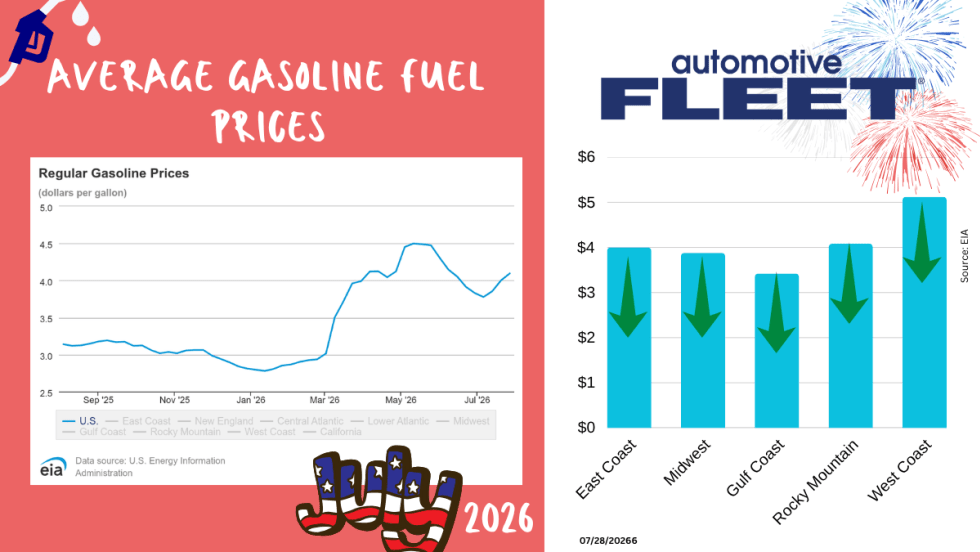
July Fuel Update: Prices Keep Rising in Light of More Conflict
Gas prices continue to rise as more and more conflicts do, too.
Read More →
Bob Adamsky on Fuel Volatility: "Don't Panic, Have a Plan."
When it comes to up and down fuel prices, Adamsky has a message for fleets: “Don’t panic.”
Read More →
How Fleets Can Gain Control of Non-Fuel Spend
Fuel often gets the spotlight, but non-fuel expenses can have a major impact on fleet costs. Ramel Lindsay of U.S. Bank Voyager discusses how fleets can gain better visibility and control over these often-overlooked expenditures.
Read More →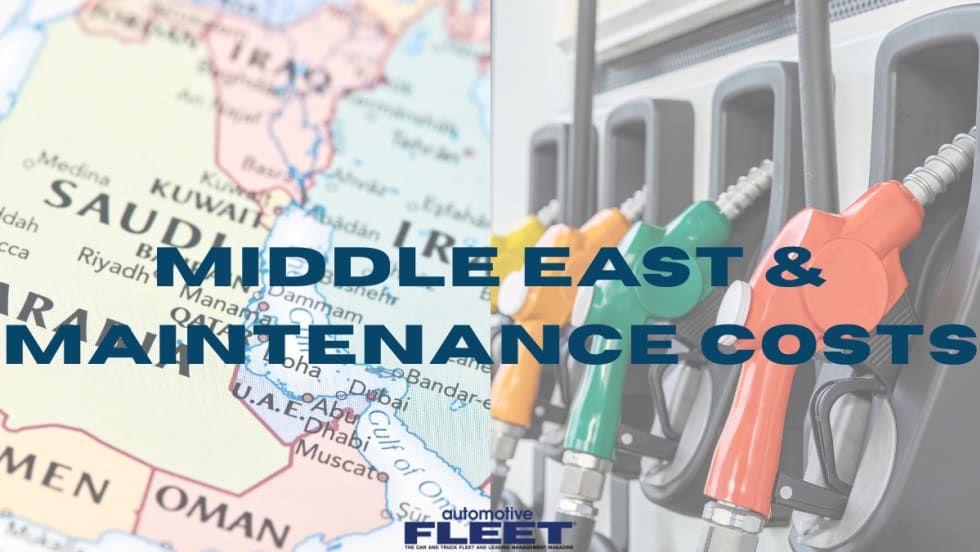
Fuel is Just the Start: How Middle East Tensions are Driving Up Fleet Maintenance Costs
The Middle East conflict is doing more than pushing up fuel prices. It’s also raising the cost of key maintenance products your fleet depends on, from motor oil to tires to windshield wipers. Here’s what you need to know about this budget-busting situation.
Read More →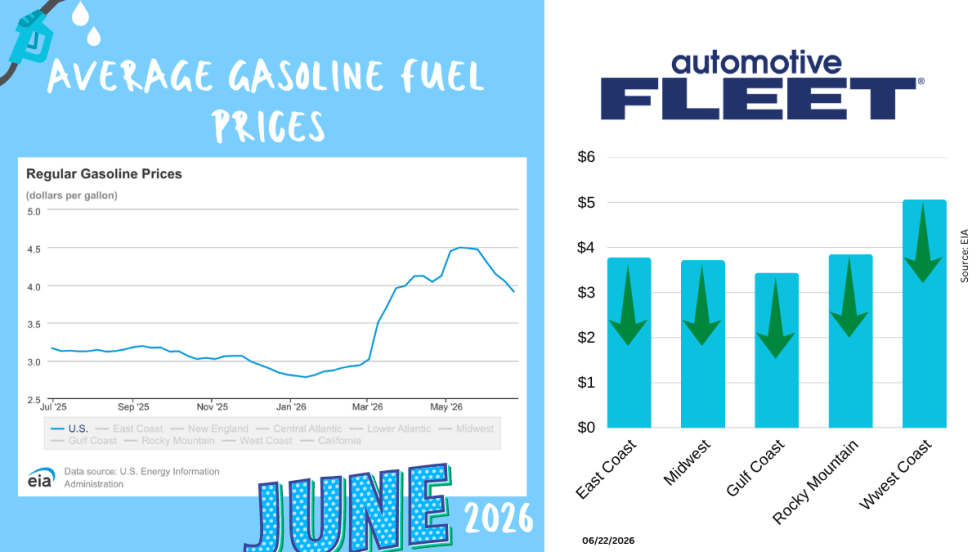
June Fuel Update: Prices Fall Below $4
Drivers are finally getting some relief at the pump. The national average gas price has dropped below $4 a gallon for the first time in months, with prices falling in 47 states as oil markets react to developments in U.S.-Iran negotiations.
Read More →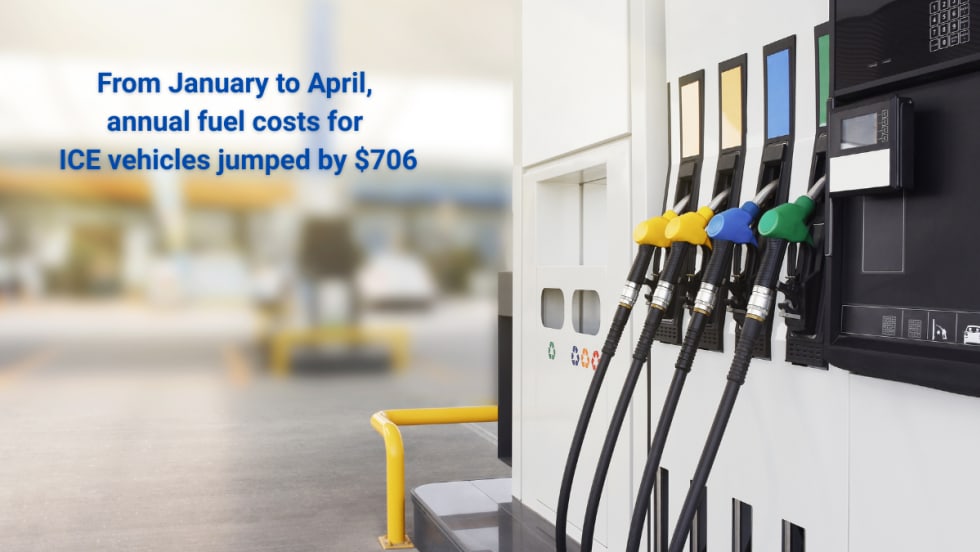
Study: How 2026's Gas Price Hikes Affect Different Vehicle Types
New data from iSeeCars reveals how rising fuel costs have affected different vehicle segments as gasoline prices climbed nearly 46% over the past four months.
Read More →
Are You Tracking Your Fleet's True Total Cost of Ownership?
Bobit Business Media surveyed 190 fleet professionals and found that while most fleets are tracking costs, fragmented systems and data gaps are keeping true TCO visibility out of reach. With rising pressure to control spend in an increasingly volatile environment, the gap between what fleets think they know and what the data actually shows is wider than you might expect. See how your peers are managing costs today and where the industry still has room to improve.
Read More →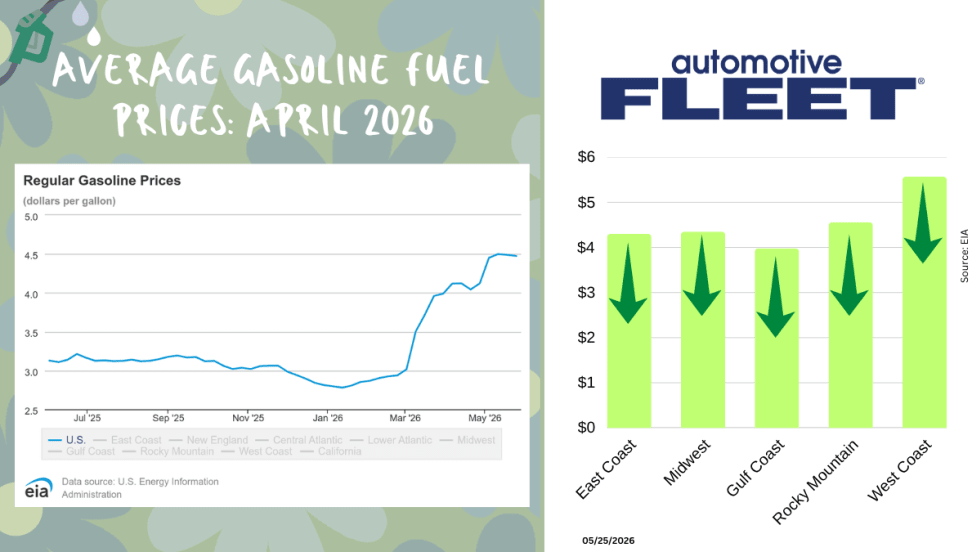
May Fuel Update: All Regions Experience Declines
Gas prices are finally easing in much of the country, but experts warn global tensions could quickly reverse the trend as the national average remains well above last month’s levels.
Read More →