




Clean Energy Awarded $3.6 Million Grant to Help Fund Natural Gas Stations
SEAL BEACH, Calif. --- The Mobile Source Air Pollution Reduction Review Committee (MSRC) and the South Coast Air Quality Management District (SCAQMD) recently approved grant awards of $3.6 million to Clean Energy Fuels Corp. to help defray the cost of expanding the Southern California network of natural gas fueling stations with nine new stations.
SEAL BEACH, Calif. --- The Mobile Source Air Pollution Reduction Review Committee (MSRC) and the South Coast Air Quality Management District (SCAQMD) recently approved grant awards of $3.6 million to Clean Energy Fuels Corp. to help defray the cost of expanding the Southern California network of natural gas fueling stations with nine new stations.
In addition, SCAQMD announced grant awards totaling $7.7 million to assist a group of Clean Energy's customer companies with the purchase of clean-burning natural-gas powered heavy-duty fleet trucks, full-size buses and taxis.
"These natural gas infrastructure development and vehicle acquisition awards will result in significant air quality benefits as harmful emissions are reduced throughout the South Coast Air basin," said Andrew Littlefair, Clean Energy president and CEO. "The grants to Clean Energy will help us add nine new LNG and CNG public and private fuel stations to our existing network, in locations stretching from West Los Angeles, Fontana, Norwalk and Burbank to the Port of Long Beach and the Ontario and Palm Springs international airports."
As a service to its clients, Clean Energy's in-house grants department provides assistance with identifying, applying for and securing grant funding. Over time, the department's efforts have helped secure more than $107 million in funding for Clean Energy and its customers. Included in the recent grant awards, announced at the agency's July 11 board meeting, was an individual award for $5.1 million to a Clean Energy customer to assist in the purchase of a new fleet of 100 LNG Class 8 heavy-duty trucks to transport goods throughout Southern California. This is the largest single SCAQMD Carl Moyer grant ever awarded.
The Carl Moyer Memorial Air Quality Standards Attainment Program is funded each year by the California State Legislature and is administered by each local Air Quality Management District in California. The purpose of the program is to reduce diesel emissions statewide by providing grants for the incremental cost of cleaner heavy-duty vehicles and equipment.
Also in this round of funding, awards of grants totaling $2.375 million were made for use by Clean Energy fleet customers for the procurement and deployment of CNG-powered full-size airport buses, refuse trucks and taxis.
Clean Energy is a major provider of natural gas (CNG and LNG) for transportation in North America. It has a broad customer base in the refuse, transit, ports, shuttle, taxi, trucking, airport and municipal fleet markets, fueling more than 14,000 vehicles daily at strategic locations across the United States and Canada. Clean Energy del Peru, Clean Energy's Peruvian joint venture, operates the world's largest natural gas vehicle fueling station in Lima, Peru.
More Fuel

Turning Fleet Payment Data into Executive Insights
Ramel Lindsay of U.S. Bank Voyager discusses how fleets can transform payment and transaction data into actionable intelligence to reduce costs, improve oversight, and support executive decision-making.
Read More →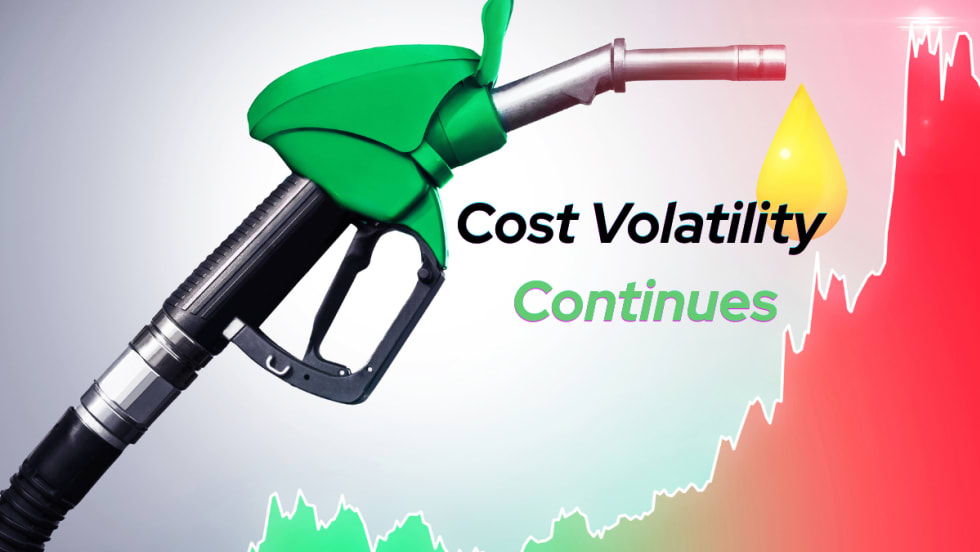
Why the IRS Raised Its Mileage Rate in the Middle of 2026
Fuel-price volatility drove the rare increase to 76 cents per mile, the fifth midyear adjustment since 2000.
Read More →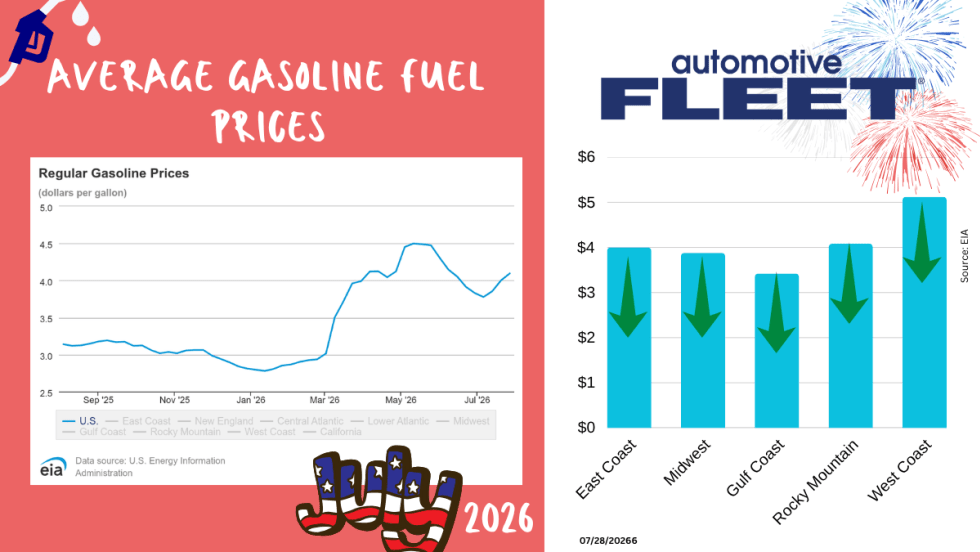
July Fuel Update: Prices Keep Rising in Light of More Conflict
Gas prices continue to rise as more and more conflicts do, too.
Read More →
Bob Adamsky on Fuel Volatility: "Don't Panic, Have a Plan."
When it comes to up and down fuel prices, Adamsky has a message for fleets: “Don’t panic.”
Read More →
How Fleets Can Gain Control of Non-Fuel Spend
Fuel often gets the spotlight, but non-fuel expenses can have a major impact on fleet costs. Ramel Lindsay of U.S. Bank Voyager discusses how fleets can gain better visibility and control over these often-overlooked expenditures.
Read More →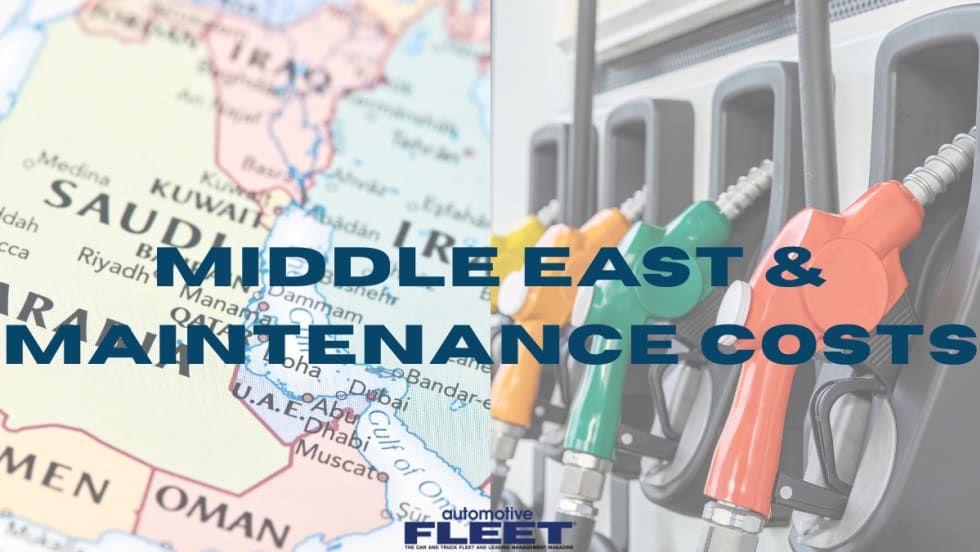
Fuel is Just the Start: How Middle East Tensions are Driving Up Fleet Maintenance Costs
The Middle East conflict is doing more than pushing up fuel prices. It’s also raising the cost of key maintenance products your fleet depends on, from motor oil to tires to windshield wipers. Here’s what you need to know about this budget-busting situation.
Read More →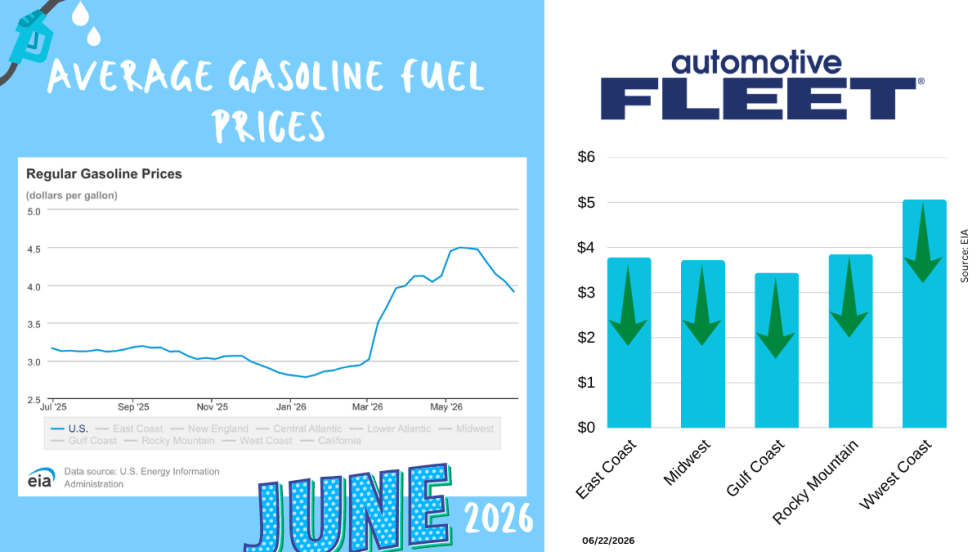
June Fuel Update: Prices Fall Below $4
Drivers are finally getting some relief at the pump. The national average gas price has dropped below $4 a gallon for the first time in months, with prices falling in 47 states as oil markets react to developments in U.S.-Iran negotiations.
Read More →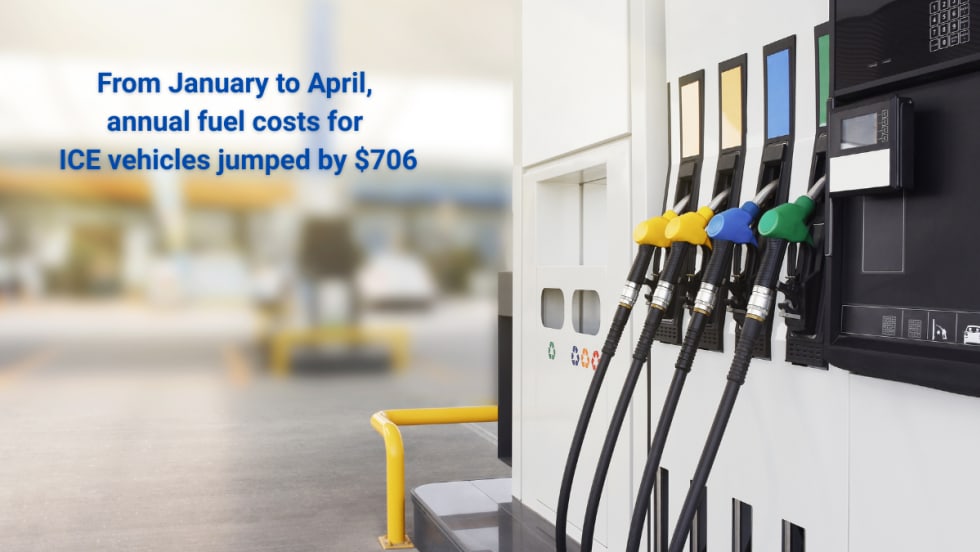
Study: How 2026's Gas Price Hikes Affect Different Vehicle Types
New data from iSeeCars reveals how rising fuel costs have affected different vehicle segments as gasoline prices climbed nearly 46% over the past four months.
Read More →
Are You Tracking Your Fleet's True Total Cost of Ownership?
Bobit Business Media surveyed 190 fleet professionals and found that while most fleets are tracking costs, fragmented systems and data gaps are keeping true TCO visibility out of reach. With rising pressure to control spend in an increasingly volatile environment, the gap between what fleets think they know and what the data actually shows is wider than you might expect. See how your peers are managing costs today and where the industry still has room to improve.
Read More →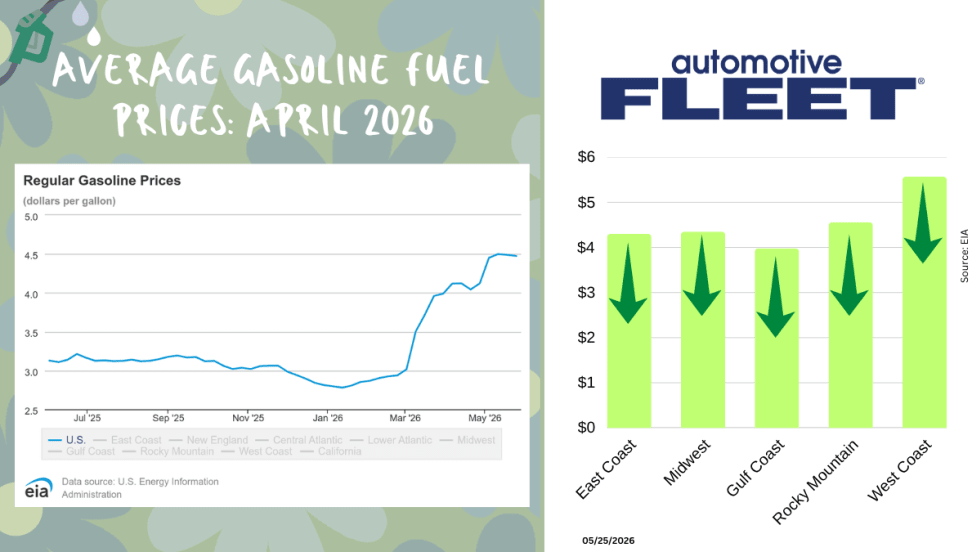
May Fuel Update: All Regions Experience Declines
Gas prices are finally easing in much of the country, but experts warn global tensions could quickly reverse the trend as the national average remains well above last month’s levels.
Read More →