




Clean Diesel Trucks, Cars Fuel DC Sustainability
The essential role and the fuel-savings and emissions benefits of new clean diesel technology were highlighted recently by the Diesel Technology Forum in a statement before the District of Columbia (D.C.) City Council on the Omnibus D.C. Sustainability Act.


The essential role and the fuel-savings and emissions benefits of new clean diesel technology were highlighted recently by the Diesel Technology Forum in a statement before the District of Columbia (D.C.) City Council on the Omnibus D.C. Sustainability Act.
“Diesel technology plays a vital role in the District of Columbia. It powers vehicles that provide key government services such as solid waste, public transportation, and snow removal. It is also the primary workhorse technology powering the trucks and vans of hundreds of small service and delivery businesses serving the District, and over 3,500 D.C. residents have made diesel their personal transportation choice for their cars, trucks or SUVs,” said Allen Schaeffer, executive director of the Diesel Technology Forum, a Maryland-based national non-profit educational group.
The Omnibus Sustainability Act proposed legislation includes a provision that as currently written, requiring that “…no vehicle shall be registered in D.C. that operates exclusively on the combustion of petroleum diesel fuel beginning January 1, 2018.”
“Clean diesel technology must be a key component of the District’s sustainability initiative because of its superior energy efficiency, near-zero emissions, and ability to use renewable fuels. We don’t believe that the intent of this legislation is to prevent the use of diesel engines, but rather to seek some new approaches to reducing emissions and we look forward to working with District leaders toward that end,” Schaeffer said.
According to the Diesel Technology Forum, the use of diesel technology in the District is already delivering clean air and fuel saving benefits. Since 2007, all diesel fuel sold in the District (and nationwide) for highway vehicles has been ultra-low sulfur diesel fuel, which reduces particulate emissions from all diesel vehicles, with most significant emissions benefits from 2007 and newer model year vehicles. The current EPA standards for all new diesel engines in cars, trucks, SUVs and commercial vehicles as well as even most off-road engines and machines now require near zero levels of emissions for particulate matter (PM), or soot, and oxides of nitrogen (NOx).
“These proven clean diesel technologies are on the road today. Here in the District, at the end of 2012, just over 19 percent of all registered Class 3-8 heavy-duty trucks are clean diesel (2007 or newer model years). Nationwide, roughly one-in-three heavy-duty trucks is a new-generation clean diesel vehicle that is model year 2007 and newer,” said Schaeffer.
Nationwide these new clean diesel trucks reduced soot by 27,000 tons and NOx by almost 1 million tons, according to the Diesel Technology Forum’s 2012 research.
According to the Fuels Institute, diesel cars and pickups will make up anywhere from 7 percent to 17 percent of the light-duty market by 2023, making diesel the No. 1 alternative-fuel powertrain beating electric plug-ins, hydrogen fuel cell and natural gas powered vehicles. Light-duty diesel cars and trucks typically achieve a 20 percent to 40 percent improvement in fuel economy and a 10 percent to 20 percent reduction in emissions relative to comparable gasoline powered vehicles, while delivering superior driving performance and higher resale values.
“Nationwide, we estimate that the anticipated growth in diesel cars and trucks will save about 7 million tons of carbon emissions, which comes on top of the 7 million tons of carbon emissions reduced from the existing fleet of diesels on the road since 2005,” Schaeffer noted.
Adding to the benefits of clean diesel are renewable versions of the fuel, such as biodiesel, according to the Diesel Technology Forum.
“Use of blends of high-quality renewable fuels such as biodiesel is a hallmark of diesel technology and is suitable in both new and existing engines, based on manufacturer recommendations. All light and most heavy-duty truck engine manufacturers approve engines to operate on certain blends of biodiesel. The EPA designates biodiesel as an advanced biodiesel capable of reducing carbon emissions by at least 50 percent. We estimate that nationwide, by 2020, the growth in just the light-duty diesel fleet, operating on a 5 percent blend of biodiesel will eliminate an additional 150,000 tons of carbon emissions,” Schaeffer said
More Fuel

Turning Fleet Payment Data into Executive Insights
Ramel Lindsay of U.S. Bank Voyager discusses how fleets can transform payment and transaction data into actionable intelligence to reduce costs, improve oversight, and support executive decision-making.
Read More →
Why the IRS Raised Its Mileage Rate in the Middle of 2026
Fuel-price volatility drove the rare increase to 76 cents per mile, the fifth midyear adjustment since 2000.
Read More →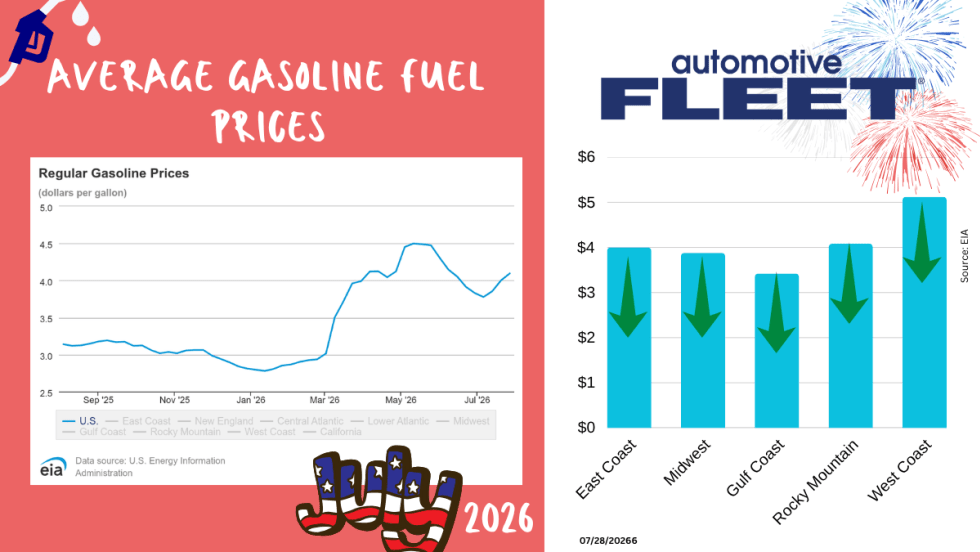
July Fuel Update: Prices Keep Rising in Light of More Conflict
Gas prices continue to rise as more and more conflicts do, too.
Read More →
Bob Adamsky on Fuel Volatility: "Don't Panic, Have a Plan."
When it comes to up and down fuel prices, Adamsky has a message for fleets: “Don’t panic.”
Read More →
How Fleets Can Gain Control of Non-Fuel Spend
Fuel often gets the spotlight, but non-fuel expenses can have a major impact on fleet costs. Ramel Lindsay of U.S. Bank Voyager discusses how fleets can gain better visibility and control over these often-overlooked expenditures.
Read More →
Fuel is Just the Start: How Middle East Tensions are Driving Up Fleet Maintenance Costs
The Middle East conflict is doing more than pushing up fuel prices. It’s also raising the cost of key maintenance products your fleet depends on, from motor oil to tires to windshield wipers. Here’s what you need to know about this budget-busting situation.
Read More →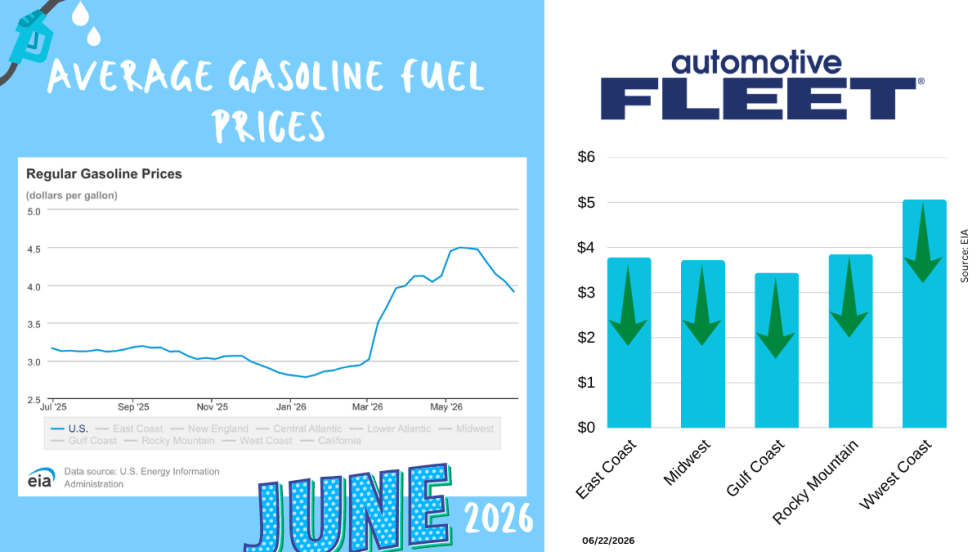
June Fuel Update: Prices Fall Below $4
Drivers are finally getting some relief at the pump. The national average gas price has dropped below $4 a gallon for the first time in months, with prices falling in 47 states as oil markets react to developments in U.S.-Iran negotiations.
Read More →
Study: How 2026's Gas Price Hikes Affect Different Vehicle Types
New data from iSeeCars reveals how rising fuel costs have affected different vehicle segments as gasoline prices climbed nearly 46% over the past four months.
Read More →
Are You Tracking Your Fleet's True Total Cost of Ownership?
Bobit Business Media surveyed 190 fleet professionals and found that while most fleets are tracking costs, fragmented systems and data gaps are keeping true TCO visibility out of reach. With rising pressure to control spend in an increasingly volatile environment, the gap between what fleets think they know and what the data actually shows is wider than you might expect. See how your peers are managing costs today and where the industry still has room to improve.
Read More →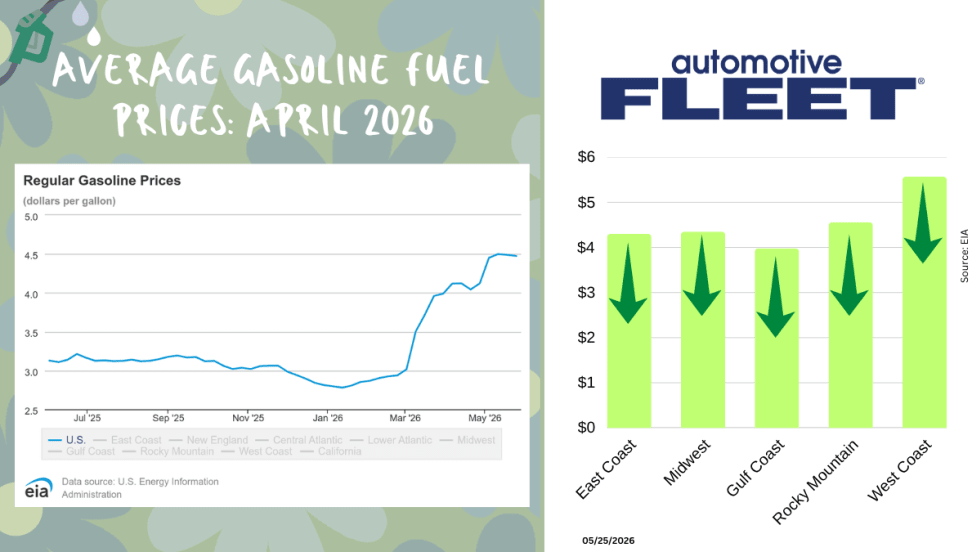
May Fuel Update: All Regions Experience Declines
Gas prices are finally easing in much of the country, but experts warn global tensions could quickly reverse the trend as the national average remains well above last month’s levels.
Read More →