




City Unveils Plan to Expand its ‘Green Fleet’
LONDON, ONTARIO, CANADA – From Smart Cars to hybrids to biodiesel fuel, the City of London is looking to reduce its carbon footprint through the expansion of its green fleet vehicles.
LONDON, ONTARIO, CANADA – From Smart Cars to hybrids to biodiesel fuel, the City of London is looking to reduce its carbon footprint through the expansion of its green fleet vehicles, according to www.LondonTopic.ca.
The announcement was made by London Mayor Anne Marie DeCicco-Best and the city’s manager of Fleet and Facilities Operations Barrie Galloway, during a recent day-long Fleet Challenge workshop hosted by the City of London, Fleet Challenge Ontario, and the Canadian Energy Efficiency Alliance. The workshop hosted municipal representatives from across Ontario and provided an opportunity for various communities to share their respective green initiatives.
Presently, London’s green fleet includes three Toyota Prius Hybrids, seven Honda Civic Hybrids, two Mercedes Benz Smart Cars, and four advanced street sweepers with new vacuum technology that reduces particular matter and improves air quality in the city.
The city is planning to add 12 new vehicles, including Ford Escape Hybrid crossover utility vehicles, which are projected to help save an additional 20 tons of greenhouse gas emissions and an additional 9,000 liters of fuel.
To date, the city’s green fleet initiative has led to the reduction of 11 tons of greenhouse gas emissions annually and more than 5,000 liters of fuel each year.
The city is presently working with London Transit and looking at the use of biodiesel fuels in city buses and municipal vehicles. In addition, the city will be conducting a pilot project with Environment Canada to examine the effectiveness of vehicle tracking to monitor how city vehicles are being used.
Currently, the City of London’s fleet includes 1,500 pieces of equipment.
More Green Fleet

EV Charging Use Is Outpacing Infrastructure Growth
ChargePoint’s 2026 Charging Forward Report points to rising charger use, higher-powered charging, commercial vehicle electrification, and energy-management technology. Here’s what fleets should know.
Read More →
Merchants Fleet Reports 290M EV Miles as Fleets Navigate Changing Electrification Market
From millions in operating savings to hundreds of millions of EV miles, Merchants Fleet’s latest report reveals what’s working and what’s changing in fleet electrification.
Read More →
The EV Breakdown Nobody's Talking About: Why Most Electric Vehicle Roadside Calls Aren't Mechanical Failures
Here's why EV breakdowns are widely misunderstood.
Read More →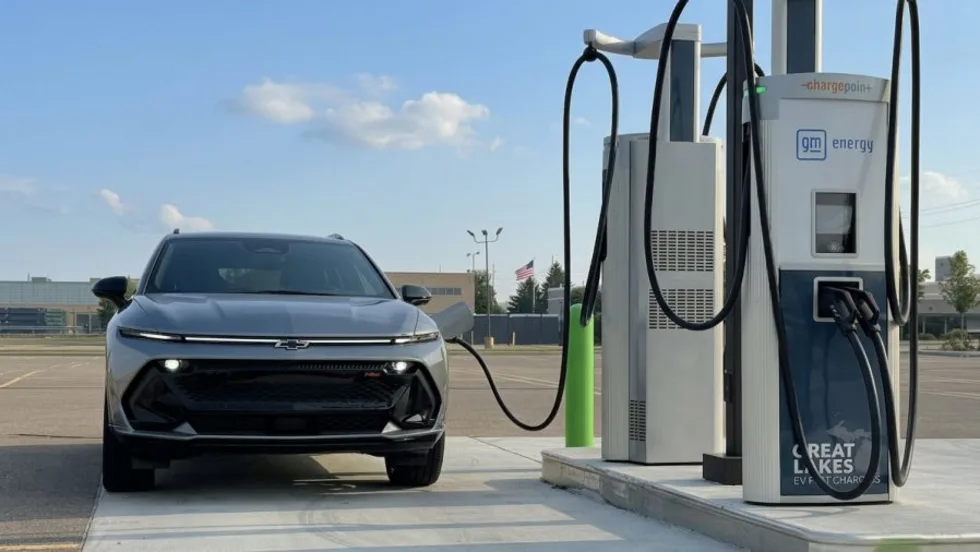
ChargePoint Now Available in Energy Pass
ChargePoint and additional planned charging network integrations were added to GM's Energy Pass.
Read More →

First Look: Slate Auto's Electric Fleet Pickup
Could an affordable, modular EV pickup make electrification more practical for fleets?
Read More →
Slate Debuts Colorful, Unique EV Models
A recent media and client event, studded with electric vehicles dressed up on platforms, planted a new position for the manufacturer in the wider EV market. Fleets will find cost-saving advantages.
Read More →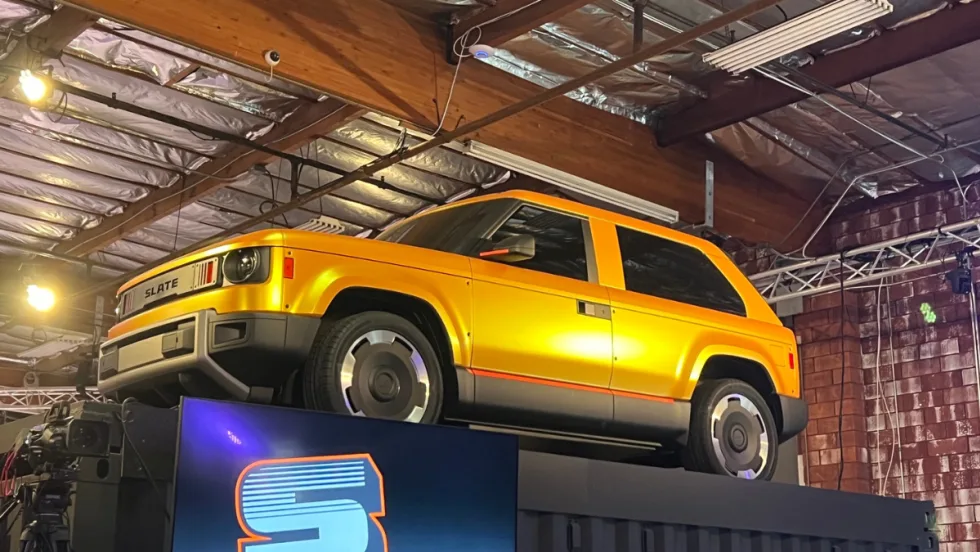
Slate Electric SUV, Pickup Switchable Model Aims For Light-Duty Fleets
Everything about this EV is counterintuitive and understated, making it stand out from the crowd.
Read More →
Inspiration Mobility Acquires Key Electrada Assets
Inspiration Mobility Group has acquired select assets of Electrada, adding the fleet electrification provider's team, technology, and charging infrastructure development capabilities to its energy management business.
Read More →
Turning Connected Vehicle Data Into Decisions That Matter
Fleet leaders have more data than ever, but turning that data into clear, actionable decisions remains a challenge. This white paper shows how leading organizations are using connected vehicle data to improve safety, reduce costs, and optimize fleet performance. Learn how to turn insight into action across your fleet.
Read More →