




Chrysler Begins Production of Hybrid Dodge Durango, Hybrid Chrysler Aspen
AUBURN HILLS, MI --- Chrysler LLC's Hybrid Electric Vehicles (HEVs) began rolling off the assembly line last week at its Newark, Del., assembly plant.
AUBURN HILLS, MI --- Chrysler LLC's Hybrid Electric Vehicles (HEVs) began rolling off the assembly line last week at its Newark, Del., assembly plant.
Chrysler is offering the two-mode hybrid powertrain on both vehicles built at the plant, Dodge Durango and Chrysler Aspen. Cross-functional launch teams conducted computer simulation of new assembly processes. Similar efforts were conducted at tooling suppliers.
"The implementation of this new manufacturing process was done intelligently, with both quality and cost in mind," said Joe Ozdowy, plant manager of Newark Assembly. "I'd like to congratulate and thank the team for their dedication while bringing these important new products to market to help satisfy the changing needs of our Dodge and Chrysler customers."
The production of early pilot vehicles was done on the plant's assembly line which helped to root out anomalies early in the pre-production process. Production of vehicles with the hybrid powertrain differs in several ways from production of those with conventional powertrains. New processes were implemented to accommodate HEV production, including a unique powertrain assembly process, and ergonomic-assist systems to aid in new functions, such as HEV battery installation.
There are several unique components associated with HEV production that are installed at the plant, including:
-- 300-volt battery
-- Two-mode transmission
-- Torque power inverter module (TPIM)
-- Electric air conditioning
-- Auxiliary power module
-- High-voltage cables (AC and DC)
-- Hydro-electric power steering pump
-- Hybrid gate way module
-- Cooling module.
With the advent of HEV production, a new series of error-proofing processes was put in place.
"We are proud of the highly skilled and dedicated employees at Chrysler's Newark plant," Delaware Governor Ruth Ann Minner said. "The employees at Newark Assembly continue to work hard to ensure the success of this new product line, and we are looking forward to these new hybrid vehicles being available to the public."
Chrysler LLC's advanced two-mode full hybrid system -- developed in partnership with General Motors, Daimler and the BMW Group -- integrates proven automatic-transmission technology with a patented hybrid-electric drive system to deliver two-mode full hybrid.
As a result of low- and high-speed electrically variable transmission (EVT) modes, the system is defined as a "two-mode hybrid." In addition, the sophisticated fuel-saving system incorporates four fixed-gear ratios for high efficiency and power-handling capabilities. During the two EVT modes, the system can use the electric motors to improve fuel economy, acceleration, and for regenerative braking to use energy that would normally be lost during braking or deceleration. The energy is stored in the batteries for later use.
The system's two modes are optimized for city and highway driving. In the first mode -- at low speed and with light loads -- the vehicle can operate in three ways: electric power only, engine power only, or any combination of engine and electric power.
The two-mode hybrid provides all of the fuel-saving benefits of a full-hybrid system, including electric-only operation. In this mode, the engine is "shut off," with the vehicle moving under electric-only power at low speed. The result is a significant reduction in fuel consumption in heavy stop-and-go traffic.
The second mode is used primarily at highway speeds. In addition to electric assist, the second mode provides full power from the engine when conditions demand it, such as when passing, pulling a trailer or climbing a steep grade.
More Fuel

Turning Fleet Payment Data into Executive Insights
Ramel Lindsay of U.S. Bank Voyager discusses how fleets can transform payment and transaction data into actionable intelligence to reduce costs, improve oversight, and support executive decision-making.
Read More →
Why the IRS Raised Its Mileage Rate in the Middle of 2026
Fuel-price volatility drove the rare increase to 76 cents per mile, the fifth midyear adjustment since 2000.
Read More →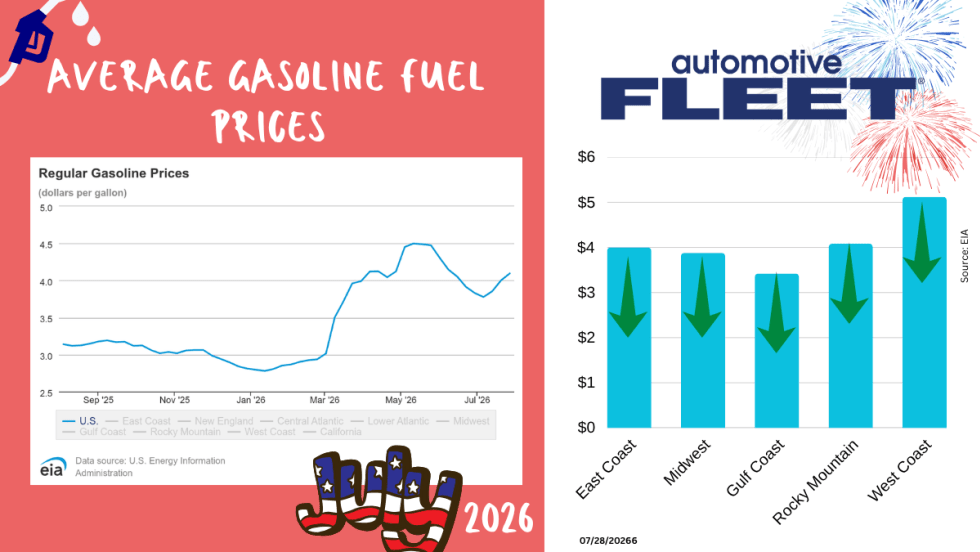
July Fuel Update: Prices Keep Rising in Light of More Conflict
Gas prices continue to rise as more and more conflicts do, too.
Read More →
Bob Adamsky on Fuel Volatility: "Don't Panic, Have a Plan."
When it comes to up and down fuel prices, Adamsky has a message for fleets: “Don’t panic.”
Read More →
How Fleets Can Gain Control of Non-Fuel Spend
Fuel often gets the spotlight, but non-fuel expenses can have a major impact on fleet costs. Ramel Lindsay of U.S. Bank Voyager discusses how fleets can gain better visibility and control over these often-overlooked expenditures.
Read More →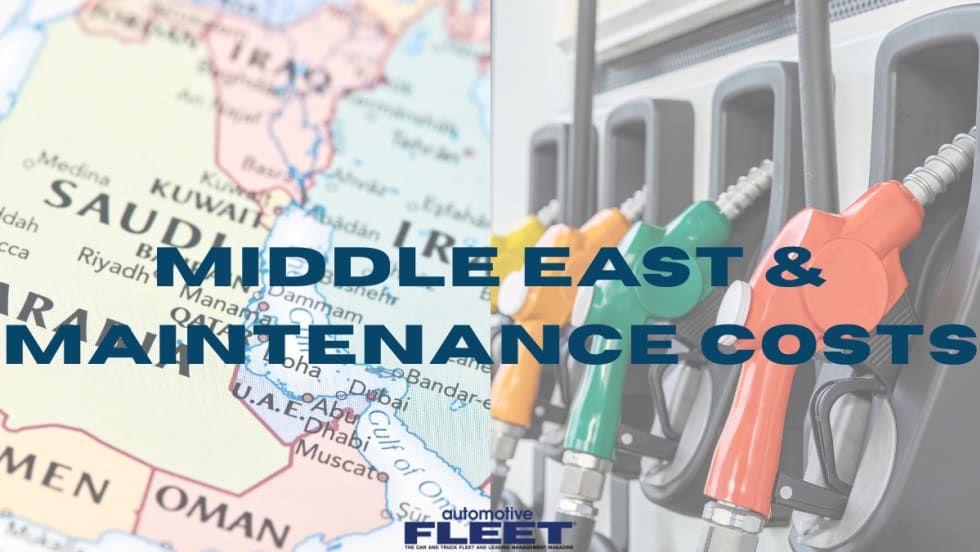
Fuel is Just the Start: How Middle East Tensions are Driving Up Fleet Maintenance Costs
The Middle East conflict is doing more than pushing up fuel prices. It’s also raising the cost of key maintenance products your fleet depends on, from motor oil to tires to windshield wipers. Here’s what you need to know about this budget-busting situation.
Read More →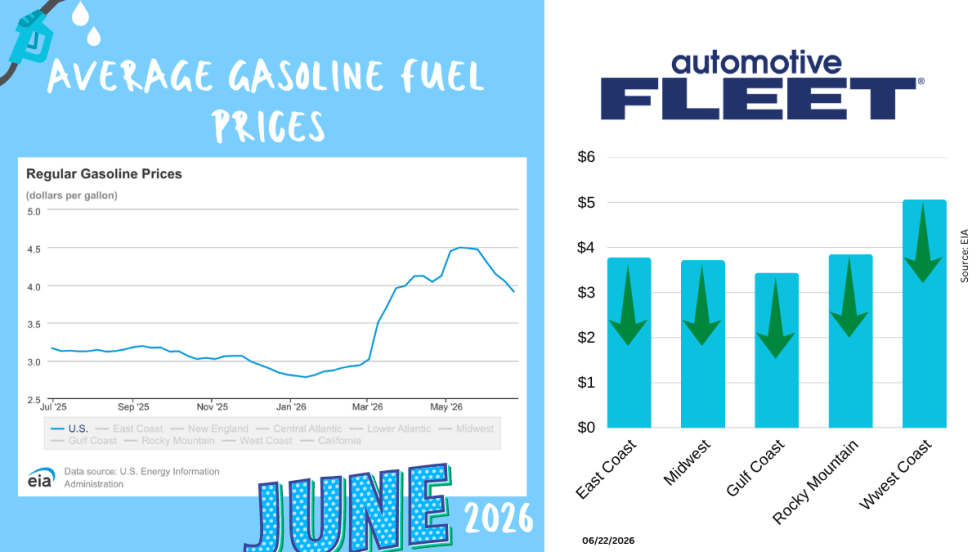
June Fuel Update: Prices Fall Below $4
Drivers are finally getting some relief at the pump. The national average gas price has dropped below $4 a gallon for the first time in months, with prices falling in 47 states as oil markets react to developments in U.S.-Iran negotiations.
Read More →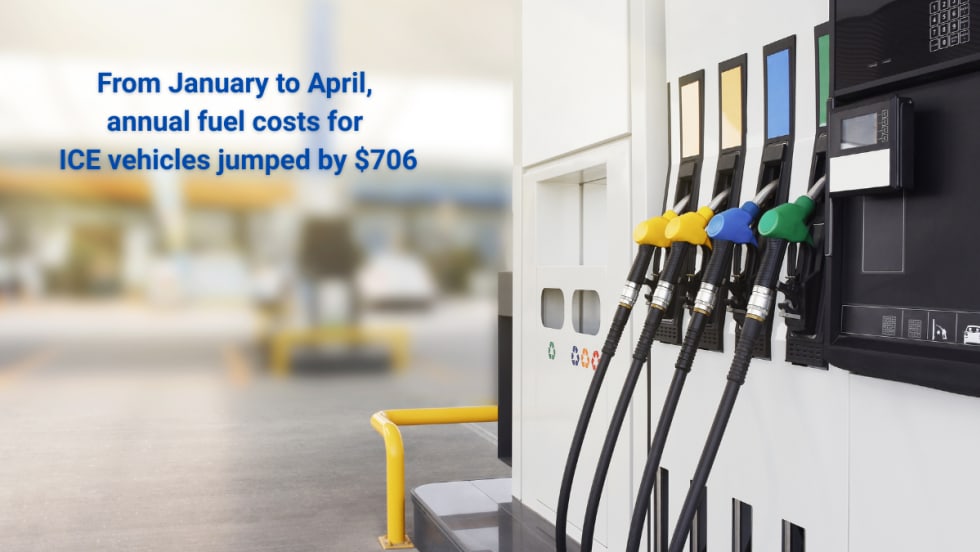
Study: How 2026's Gas Price Hikes Affect Different Vehicle Types
New data from iSeeCars reveals how rising fuel costs have affected different vehicle segments as gasoline prices climbed nearly 46% over the past four months.
Read More →
Are You Tracking Your Fleet's True Total Cost of Ownership?
Bobit Business Media surveyed 190 fleet professionals and found that while most fleets are tracking costs, fragmented systems and data gaps are keeping true TCO visibility out of reach. With rising pressure to control spend in an increasingly volatile environment, the gap between what fleets think they know and what the data actually shows is wider than you might expect. See how your peers are managing costs today and where the industry still has room to improve.
Read More →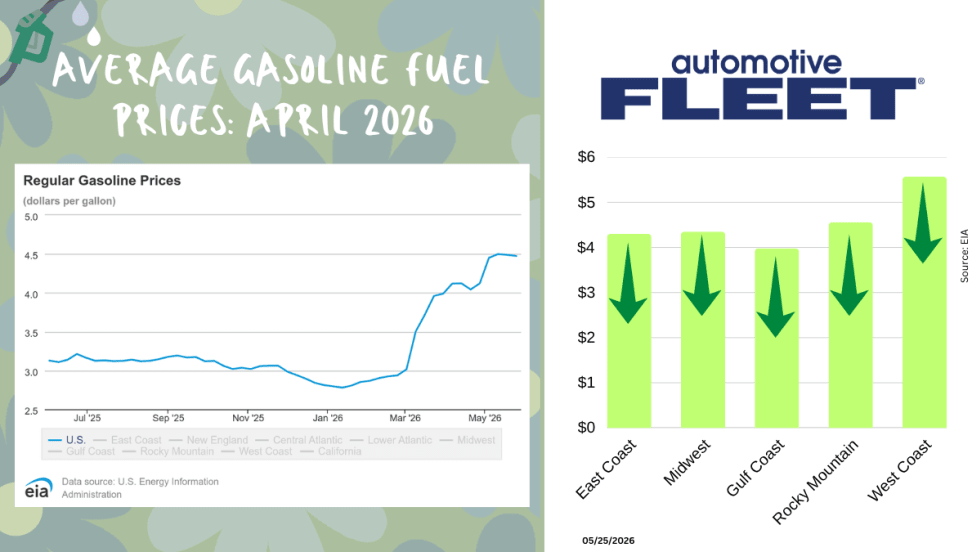
May Fuel Update: All Regions Experience Declines
Gas prices are finally easing in much of the country, but experts warn global tensions could quickly reverse the trend as the national average remains well above last month’s levels.
Read More →