





Further Reading: Geopolitical Friction Exposes Vulnerability of Future Microprocessor Inventories
Chinese EV Purchasers Prefer Local Brands
The shift comes as China’s car market nears a tipping point at which the switch to EVs builds consumer acceptance and supercharges growth. More than 25% of new cars sold in July were new energy vehicles (NEVs), which include plug-in hybrids and pure battery-electric cars, up from fewer than one in six just a year earlier.
September 1, 2022
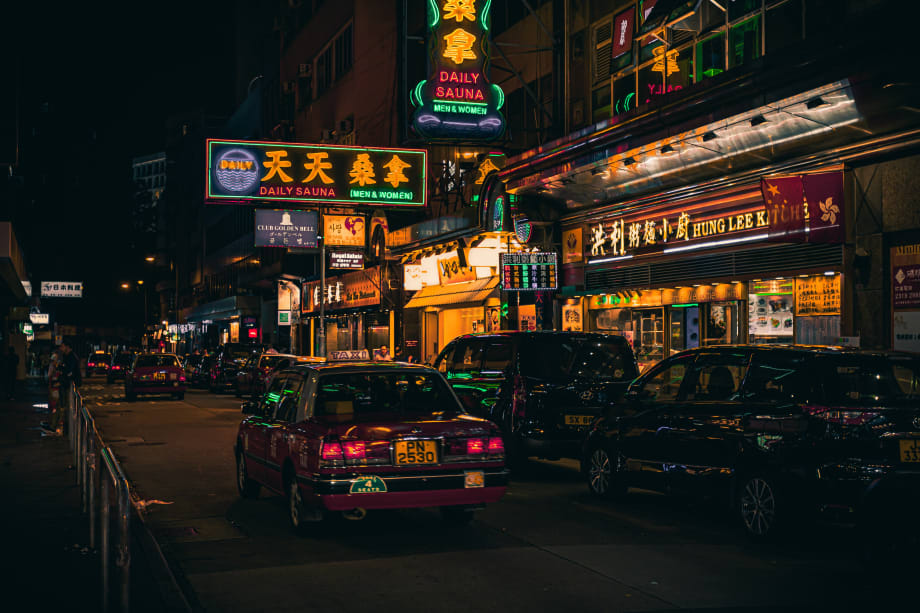
PCA recently raised its 2022 forecast for NEV sales to 6 million—twice last year’s total.
Photo: Pexels
5 min to read
China’s car buyers are shifting away from traditional gasoline- and diesel-powered cars toward electric vehicles in big way, reports online business news source Bloomberg.com.
Chinese manufacturers now command the lion’s share of new-energy vehicle (NEV) sales, leaving global giants such as Volkswagen AG and BMW AG at risk of being left behind in the world’s biggest EV market, according to Bloomberg.
Domestic automakers accounted for almost 80% of EV sales through the first seven months of 2022, according to data compiled by the China Passenger Car Association (PCA). While long-established Chinese automaker BYD, backed by Warren Buffet’s Berkshire Hathaway Inc., is the sure leader, newer entrants such as Xpeng Inc. and Hozon New Energy Automobile Company – barely known outside the country – now outsell VW’s two Chinese joint ventures.
The shift comes as China’s car market is nears an tipping point at which the switch to EVs builds consumer acceptance and supercharges growth. More than 25% of new cars sold in July were new energy vehicles (NEVs), which include plug-in hybrids and pure battery-electric cars, up from fewer than one in six just a year earlier, according to PCA, says Bloomberg.
PCA recently raised its 2022 forecast for NEV sales to 6 million—twice last year’s total. From there, Bloomberg.com researchers expect years of steady growth, with annual sales climbing to 22.3 million by 2040, accounting for almost one third of the NEV global market.
For global giants such as Daimler, General Motors and VW – which are pouring billions of dollars into electrifying their fleets – China is a market they can’t afford to get wrong, says Bloomberg.com.
Foreign Carmakers Face Risks
However, foreign makers have moved slowly to electrification and have failed to appeal to average Chinese buyers on price and features. Also, as China’s EV appetite grow, traditional carmakers risk losing sales of gasoline-fueled cars, a source to fund their transitions to electrics, says Bloomberg.
“Legacy automakers have barely any competitiveness in their electrified products,” says Yale Zhang, managing director at Shanghai-based consultancy Autoforesight Co.
“Their cars lack range, have outdated designs, lag behind in intelligent services such as autonomous driving, and are overpriced, he says. “They are heavily relying on the path of gasoline cars,” Zhang says. “But a new toy like electric cars does not necessarily need a storied history.”
Charley Xu, a partner at Boston Consulting Group in Shanghai offers a contrasting view. “This industry requires scale economy and profitability,” he says. “A key advantage for legacy automakers is the cash flow they’ve earned from selling gasoline cars. It could give them the time and capital to catch up.”
The one exception to Chinese dominance is Telsa, number 3 this year in Chinese NEV retail sales with a 7.5% market share, and the only foreign carmaker allowed to operate in China without a local partner.
But Tesla’s high-tech image and Musk’s star power may not forestall Chinese criticisms, Bloomberg points out. In 2021, the Chinese government summoned local unit Tesla executives to discuss “quality and safety” issues in Tesla vehicles and banned the cars from entering some government facilities over concerns they could send data to the US.
Domestic Brands Win on Price
Domestic brands’ main advantage is price, according to PCA Secretary General Cui Dongshu. In a country where many people are still buying their first car, cost is a key consideration. One of the most popular EVs in China is SAIC-GM-Wuling Automobile Co.’s pint-size Hongguang Mini – starting price at just $4,700.
Other Chinese carmakers are also taking steps to differentiate themselves. Hozon targets families in smaller cities and rural areas with sedans a step up from the Hongguang Mini but still at a modest starting price of less than $12,000.
Xpeng has invested heavily in autonomous driving features such as driverless controlled lane changes and highway entering and exiting on designated roads. Nio Inc. has attracted a devoted following for its upper-end EVs with exclusive clubhouses for owners and branded clothing, food, and exercise equipment, Bloomberg reports.
Nio is building an extensive network of battery-swapping stations to interest buyers who may not have access to a charger in their residence. Instead, owners can drive into a robot-controlled station and have depleted batteries removed and exchanged for fully charged ones in as little as three minutes.
Others have taken more esoteric routes, offering China-specific creature comforts such as Nio’s refreshing fragrances that are diffused into the cabin when a driver is fatigued and Li Auto Inc.’s onboard karaoke system, a popular form of entertainment locally.
Nio and Xpeng and other new manufacturers have designed interactive intelligent voice systems, similar to Amazon.com Inc.’s Alexa. Such in-car digital assistants can roll down windows, play music, and even have human-style chats with riders, features popular among young families, according to Bloomberg.
Outside Brands Have Been Slow to Move
Foreign automakers moving a relatively slower from their century-old internal combustion engine legacies. VW introduced its ID line of EV vehicles in China at the end of 2020, almost three years after Nio and Xpeng rolled out their first cars. GM expects to deliver Chinese customers its first-ever pure electric Cadillac later this year, and the new electrified Audi built on its premium platform electric won’t enter the market until at least the end of 2024, says Bloomberg.
“If you’re not in China and if you don’t cope with China’s speed and treat China specifically, I have my doubts that you will be a leading manufacturer in the next five to 10 years,” Stephan Wollenstein, Volkswagen’s former China chief executive officer, said in an interview before stepping down in August.
Some foreign makers trail local brands in updating features important to Chinese buyers, such as mapping and navigation capabilities and connections to popular Chinese social media and entertainment apps.
Furthermore, while traditional automakers build their bottom lines with luxury cars priced at the top end of the market, the strategy ignores hundreds of millions of potential new customers in a nation of 1.4 billion people, where car ownership is still only about one-quarter that of the U.S.
The recent success that BYD and Great Wall Motor Company have enjoyed selling plug-in hybrid cars, which give buyers a cheaper entry to EVs, poses an even greater unexpected threat to the legacy automakers that have relied on selling gasoline-powered cars in that price range.
“There’s not much loyalty in the Chinese consumer group,” says Zhang. “As long as they find affordable and reliable new-energy vehicles, it is easy for them to shift from Volkswagen, Nissan or Toyota.”
More Global Fleet

GeoFencing Adds to Your Truck Security Arsenal
Geofencing is a familiar fleet tool today, but its early adoption marked a major shift in vehicle tracking, route monitoring, and the debate over employee privacy.
Read More →
Holman Takes Full Ownership of ARIZA in Mexico
Holman is bringing its Mexican fleet management operation fully under its own brand after more than 30 years as a joint venture. The change gives multinational fleet customers a single Holman operation across the U.S., Canada, and Mexico.
Read More →
5 Tire Maintenance Tips to Help Prevent Work Truck Downtime
Regular tire checks can do more than extend tread life. These five maintenance practices can help work truck fleets catch problems early, reduce costs, and prevent downtime.
Read More →

Proven Ways to Reduce Work Truck Downtime
The age-old problem of downtime will always be a reality, but with new strategies at hand, fleets have more ways to keep trucks on the road longer.
Read More →


Cameras, Safety and Insurance: From Reactive Claims to Real-Time Prevention (Part 2 of 2)
Part Two: Commercial auto remains one of the most challenging and costly lines of coverage for fleet operators and insurers alike. Continue learning more about how to effectively address these issues from Onur Aksan, Enterprise Business Development Executive, Geotab
Read More →
Cameras, Safety and Insurance: From Reactive Claims to Real-time Prevention
Commercial auto remains one of the most challenging and costly lines of coverage for fleet operators and insurers alike. Learn more about how to effectively address these issues from Onur Aksan, Enterprise Business Development Executive, Geotab.
Read More →
Fleet Costs Are Rising: Here’s How Leaders Are Responding
Fleet leaders are under pressure to reduce costs, adapt to economic uncertainty, and make smarter decisions. See how peers across North America are responding with real data, proven strategies, and forward-looking insights. Download the 2026 Market Pulse Report to benchmark your strategy and uncover where you can gain an edge.
Read More →
Enterprise Fleet Management Surpasses 900,000 Vehicles in U.S. & Canada
Enterprise Mobility connects with mobility solutions around the globe
Read More →