




Chesapeake Energy Converts 800th Vehicle in Fleet to CNG
OKLAHOMA CITY - Chesapeake completed Phase One of its program to convert its fleet to CNG when the company’s 800th natural gas vehicle entered service last week.
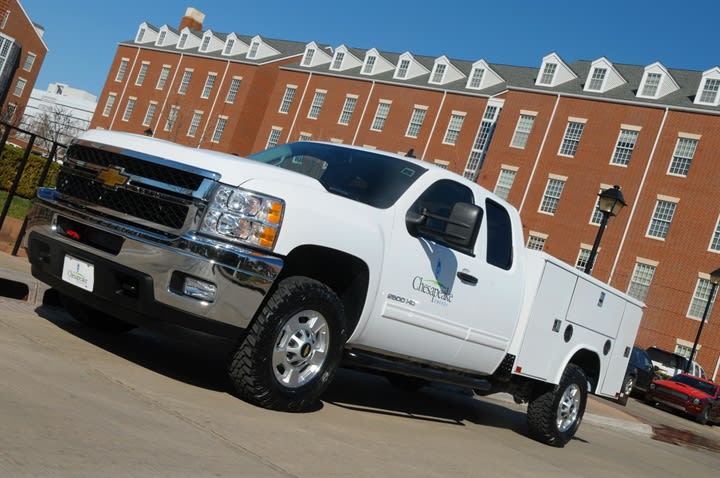
Chesapeake Energy is converting its fleet of 4,200 vehicles to run on CNG.
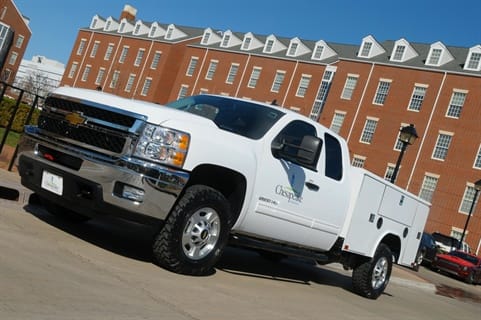
OKLAHOMA CITY - Chesapeake Energy Corporation announced it continues to make significant progress towards its goal of converting its entire corporate fleet of 4,200 vehicles to clean, compressed natural gas (CNG) by 2014.
Phase One of the program, which involved converting the Chesapeake fleet in Oklahoma, was completed last week when the company’s 800th natural gas vehicle entered service. The natural gas-powered truck fleet will be used by field operations teams overseeing the company’s drilling programs in the Anadarko Basin in western Oklahoma.
Aubrey K. McClendon, Chesapeake’s CEO, announced plans to convert the company’s fleet to CNG in May 2010. With gasoline and diesel prices approaching $4.00 per gallon in Oklahoma, and with fuel prices even higher in many parts of the country, the company stated it will realize annual savings of at least $11 million once the entire Chesapeake fleet has been converted. The company said the price of CNG remains steady at $1.39 per gallon of gasoline equivalent in Oklahoma.
“As President Obama stated last week, our country can no longer afford to lurch from energy crisis to energy crisis so we must take aggressive actions immediately to begin reducing OPEC oil imports,” McClendon said. “With fuel prices expected to exceed $4.00 a gallon nationwide as unrest continues in the Middle East, if ever it was time for American-produced natural gas to begin replacing expensive OPEC oil, it is now. We are pleased the President has acknowledged the environmental and economic benefits to our country from the increased use of natural gas as a transportation fuel in his recent speeches. As the President clearly stated, our dependence on unstable sources for much of our oil constitutes a national security imperative. That said, we are blessed to have an abundance of domestic natural gas to meet our growing energy needs – natural gas is the cleanest, most affordable and most readily scalable alternative energy source we have. Natural gas, along with the nation’s resurgence in domestic oil production led by unconventional producers such as Chesapeake, can begin reversing our dangerous dependence on OPEC oil right now.”
President Obama called for “Leading by Example with the Federal Fleet” by directing federal agencies to ensure that by 2015 all new vehicles purchased for the federal fleet of 600,000 will be alternative fuel, hybrid, or electric vehicles. Chesapeake led by example when it announced plans to convert its fleet to CNG, joining many major U.S. companies, including UPS and AT&T, which have already converted portions of their fleets to natural gas. Additionally, the company said all of Chesapeake’s top 15 senior executives drive natural gas vehicles as a further example of CNG leadership.
In preparation for its fleet conversion, Chesapeake worked with several fuel retailers, including OnCue Express and Love’s Travel Stops, to add natural gas fueling stations to existing public facilities located on major streets and highways in Oklahoma. In 2010, Chesapeake and its fuel retail partners opened 14 public CNG stations throughout Oklahoma, bringing Oklahoma’s public available CNG stations to 42. The company said it expects hundreds more stations to open across the country in the next few years to support the transition to CNG by large fleet operators.
“Public CNG stations make it convenient for school districts, businesses, government and citizens to drive natural gas-powered vehicles and benefit from lower fuel prices,” said Tom Price, Chesapeake’s Senior Vice President of Corporate Development and Government Relations. “As our nation’s economy rebounds, we must retain American wealth by replacing OPEC oil with American natural gas, so investments can continue to be made to create quality jobs right here, not elsewhere around the world. Many local, state and federal leaders are recognizing the benefits of natural gas, and through close coordination with original equipment manufacturers, fuel retailers, and heavy fuel consumers, we can assist American consumers and enable them to also realize the many benefits of CNG.”
Phase Two of Chesapeake’s conversion will include the conversion of its fleets in North Texas and Louisiana to CNG. The company plans to replicate its successful model in Oklahoma by partnering with local fuel retailers in these areas to build public CNG fueling stations. Phases Three and Four of the initiative call for converting the company’s fleets in Pennsylvania, West Virginia, Colorado, Wyoming, and South Texas.
More Fuel

Turning Fleet Payment Data into Executive Insights
Ramel Lindsay of U.S. Bank Voyager discusses how fleets can transform payment and transaction data into actionable intelligence to reduce costs, improve oversight, and support executive decision-making.
Read More →
Why the IRS Raised Its Mileage Rate in the Middle of 2026
Fuel-price volatility drove the rare increase to 76 cents per mile, the fifth midyear adjustment since 2000.
Read More →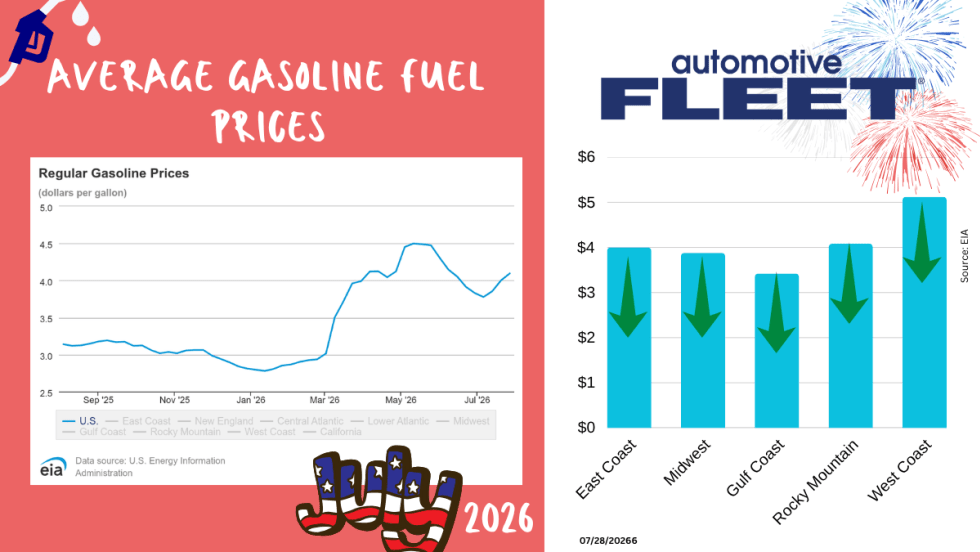
July Fuel Update: Prices Keep Rising in Light of More Conflict
Gas prices continue to rise as more and more conflicts do, too.
Read More →
Bob Adamsky on Fuel Volatility: "Don't Panic, Have a Plan."
When it comes to up and down fuel prices, Adamsky has a message for fleets: “Don’t panic.”
Read More →
How Fleets Can Gain Control of Non-Fuel Spend
Fuel often gets the spotlight, but non-fuel expenses can have a major impact on fleet costs. Ramel Lindsay of U.S. Bank Voyager discusses how fleets can gain better visibility and control over these often-overlooked expenditures.
Read More →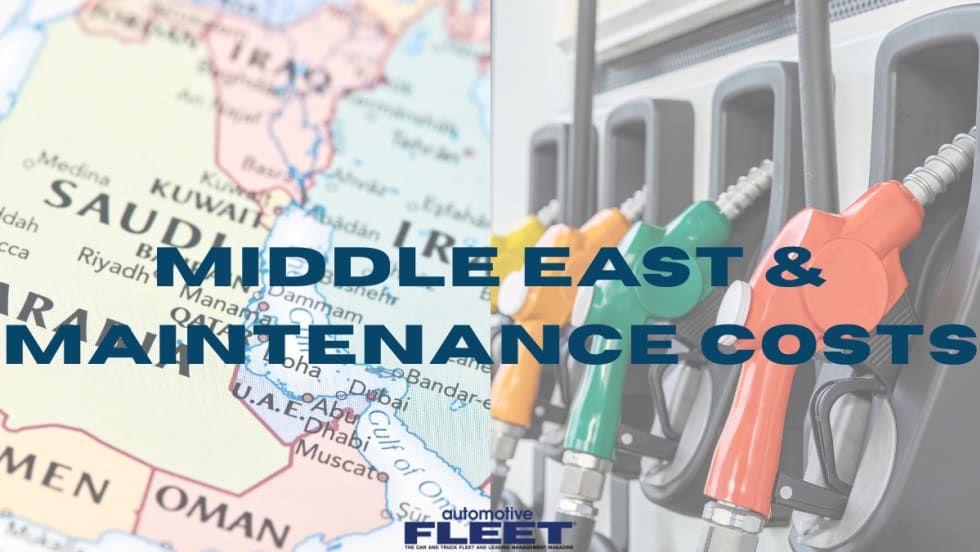
Fuel is Just the Start: How Middle East Tensions are Driving Up Fleet Maintenance Costs
The Middle East conflict is doing more than pushing up fuel prices. It’s also raising the cost of key maintenance products your fleet depends on, from motor oil to tires to windshield wipers. Here’s what you need to know about this budget-busting situation.
Read More →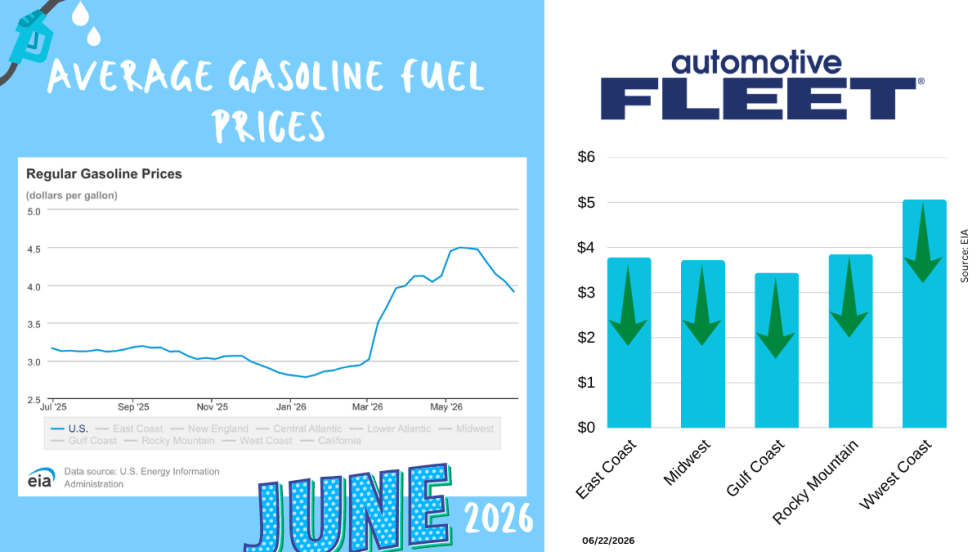
June Fuel Update: Prices Fall Below $4
Drivers are finally getting some relief at the pump. The national average gas price has dropped below $4 a gallon for the first time in months, with prices falling in 47 states as oil markets react to developments in U.S.-Iran negotiations.
Read More →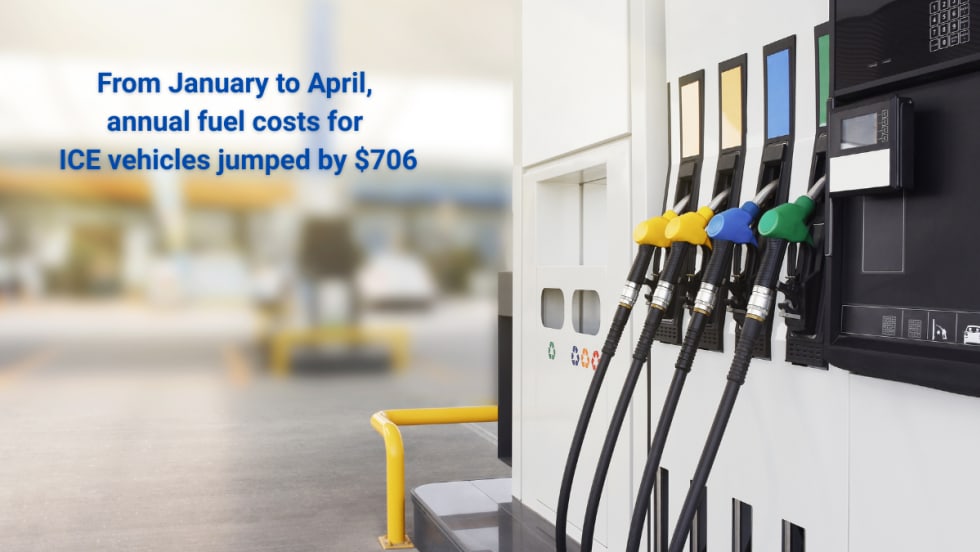
Study: How 2026's Gas Price Hikes Affect Different Vehicle Types
New data from iSeeCars reveals how rising fuel costs have affected different vehicle segments as gasoline prices climbed nearly 46% over the past four months.
Read More →
Are You Tracking Your Fleet's True Total Cost of Ownership?
Bobit Business Media surveyed 190 fleet professionals and found that while most fleets are tracking costs, fragmented systems and data gaps are keeping true TCO visibility out of reach. With rising pressure to control spend in an increasingly volatile environment, the gap between what fleets think they know and what the data actually shows is wider than you might expect. See how your peers are managing costs today and where the industry still has room to improve.
Read More →
May Fuel Update: All Regions Experience Declines
Gas prices are finally easing in much of the country, but experts warn global tensions could quickly reverse the trend as the national average remains well above last month’s levels.
Read More →