




Chesapeake Accelerates Growing Fleet’s Conversion to CNG
OKLAHOMA CITY, OK - Chesapeake Energy Corp. has experienced 16-percent year-over-year growth in its fleet, and is converting its light-duty trucks as fast as it can to run on compressed natural gas.
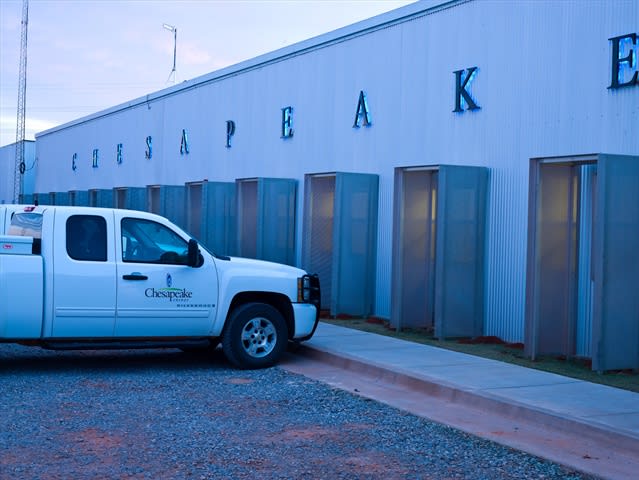
OKLAHOMA CITY, OK – Chesapeake Energy Corp. announced that it is accelerating its plans to convert the 4,500 vehicles that make up its light-duty fleet, and the 400 heavy-duty vehicles in its fleet, to run on natural gas. In addition, the company’s fleet is growing as it expands its operations. The company said this conversion process would result in savings of $15 - $20 million per year. The company is also converting 100 of its drilling rigs to run on natural gas.
You can see more of the company's natural-gas fueled vehicles in our gallery here.
Automotive Fleet spoke with Norman Herrera, director of market development for Chesapeake, about the conversion of the fleet to run on natural gas and its plan for this process over the next few years.
In terms of the company’s projected savings of $15-$20 million, Herrera explained the company’s formula.
“Each vehicle is driving 30,000 miles per year,” Herrera said. “We own each vehicle for three years. Our fuel economy is, say, 10 mpg, and we’re saving $1.50 per gallon on fuel. So if you put all of those variables together, you get those savings. We’re driving 4,500 vehicles every day in remote areas.”
This conversion makes sense for the company, beyond its goal to increase demand for natural gas as a fuel source, as its fleet is growing rapidly.
“We’ve experienced 16 percent year-over-year growth in our fleet,” Herrera, said. “At this time last year we were in the high 3,000s last year, now we’re at 4,500, and we really expect to be closer to 5,000 next year.”
Herrera said most companies in the natural gas industry are driving either 1/2-ton or 3/4-ton trucks, such as a Ford F-250 or a Chevrolet 2500. In Chesapeake’s case, the company primarily uses the Chevrolet 2500.
“We’re in a CAP (Competitive Assistance Program) with General Motors, so we get a pretty significant fleet discount,” Herrera said. “The truck is a Chevrolet 2500 6.0L extended cab with 21 gallons of CNG fuel storage on board, plus the original gasoline tank. These vehicles are bi-fuel. Our vehicles’ kits are aftermarket, and we’re working closely with IMPCO Automotive.”
Converting the Fleet
Progress in the conversion process has been fast so far, with the company reaching a milestone of having converted its 850th vehicle earlier this year, and is now coming close to its 1,000th vehicle.
“The first place [we’re converting our fleet] is in Oklahoma,” Herrera said. “We announced our 850th vehicle conversion earlier this year. If you took a snapshot on July 13, we’re nearing 1,000 vehicles out of the 4,500. That is every fleet vehicle we operate in the state of Oklahoma.”
Herrera explained that Chesapeake is converting its vehicles on a regional basis. In phase two of the conversion process, he said the next Chesapeake regional fleet to undergo conversion is in northwest Louisiana, in the Haynesville play (a geographic region with a shale formation).
“When we complete the second phase, we’ll be pretty close to the 2,000 number,” Herrera said. “From there, we’re going to the Barnett Shale in Fort Worth. The next two phases are pretty fluid, almost sequential by years, at 1,000 vehicles per year. The third phase will be in Pennsylvania, West Virginia, and Ohio. And the final phase will be the Rockies’ fleet, and that includes Wyoming, Colorado, Montana, and then south Texas.”
In the Oklahoma area, Herrera said the company has a close working relationship with Carter Chevrolet, which has been Chesapeake’s vehicle conversion partner since the company started adding bi-fuel CNG systems to its trucks.
“They do GSA accounts, a lot of other large fleets, but they are our preferred partner to do our vehicle conversions,” Herrera said.
The company said it’s converting vehicles as quickly as it can but that without a factory solution that it can use in the remote areas the company operates in, it’s limited by the speed at which it can convert its vehicles.
“We’d say that if the OEMs come out with a factory solution, then we would listen to them loud and clear,” Herrera said. “If it has that warranty and service relationship, we would look to that direction, too, if that was the direction from Detroit.”
The Big Picture
The natural gas company made this announcement in the context of its plan to invest $1 billion over the next 10 years in an effort to change the transportation fuels market in the U.S. to grow demand for natural gas in that market. Chesapeake said it’s directing approximately 1 – 2% of its forecasted annual drilling budget to projects that the company said will stimulate demand for this fuel.
The company’s investments focus on increasing the existing domestic onshore oil and natural gas liquids production by 3-4 million barrels per day by accelerating drilling and hydraulic fracturing, investing in the construction of publicly available CNG and LNG fueling stations, and deploying processes that can convert natural gas into a room-temperature, tank-ready transportation fuel.
By Greg Basich
More Fuel

Turning Fleet Payment Data into Executive Insights
Ramel Lindsay of U.S. Bank Voyager discusses how fleets can transform payment and transaction data into actionable intelligence to reduce costs, improve oversight, and support executive decision-making.
Read More →
Why the IRS Raised Its Mileage Rate in the Middle of 2026
Fuel-price volatility drove the rare increase to 76 cents per mile, the fifth midyear adjustment since 2000.
Read More →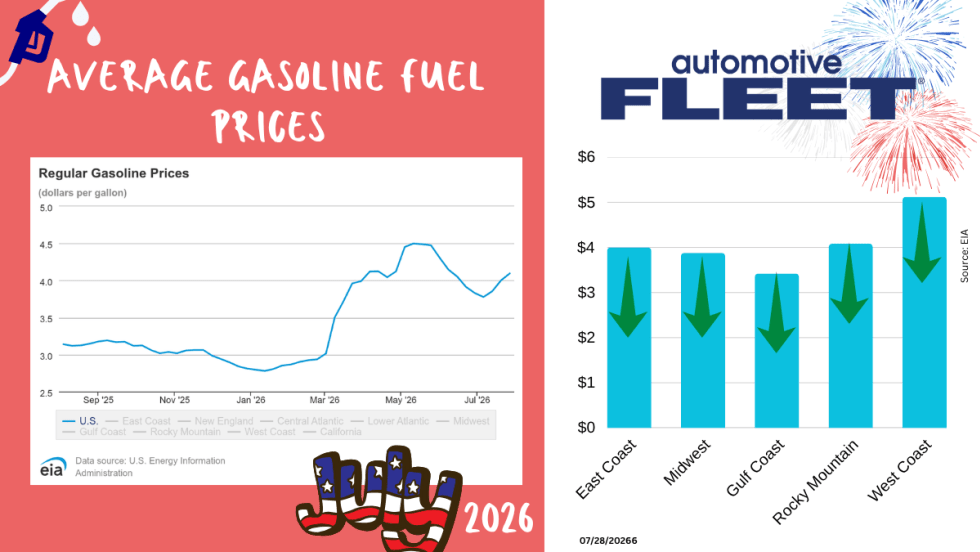
July Fuel Update: Prices Keep Rising in Light of More Conflict
Gas prices continue to rise as more and more conflicts do, too.
Read More →
Bob Adamsky on Fuel Volatility: "Don't Panic, Have a Plan."
When it comes to up and down fuel prices, Adamsky has a message for fleets: “Don’t panic.”
Read More →
How Fleets Can Gain Control of Non-Fuel Spend
Fuel often gets the spotlight, but non-fuel expenses can have a major impact on fleet costs. Ramel Lindsay of U.S. Bank Voyager discusses how fleets can gain better visibility and control over these often-overlooked expenditures.
Read More →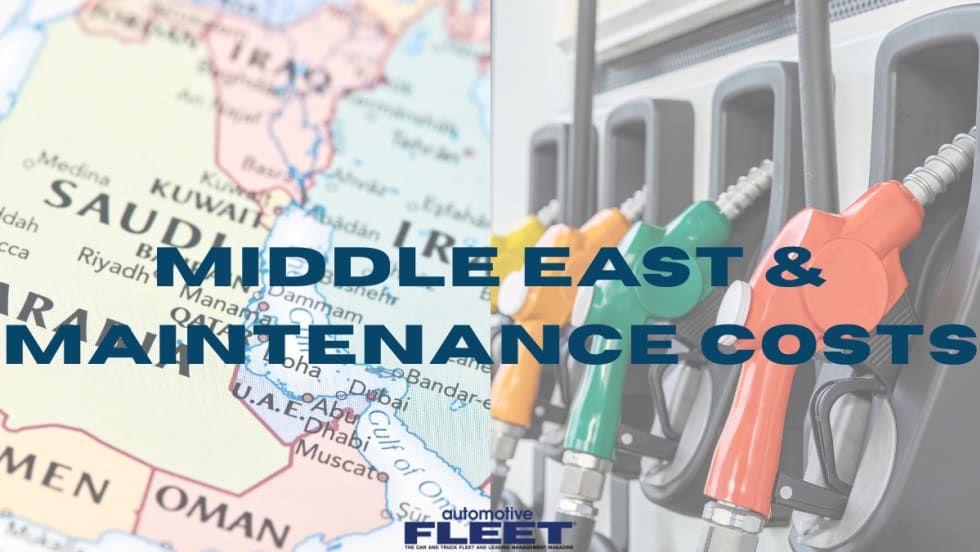
Fuel is Just the Start: How Middle East Tensions are Driving Up Fleet Maintenance Costs
The Middle East conflict is doing more than pushing up fuel prices. It’s also raising the cost of key maintenance products your fleet depends on, from motor oil to tires to windshield wipers. Here’s what you need to know about this budget-busting situation.
Read More →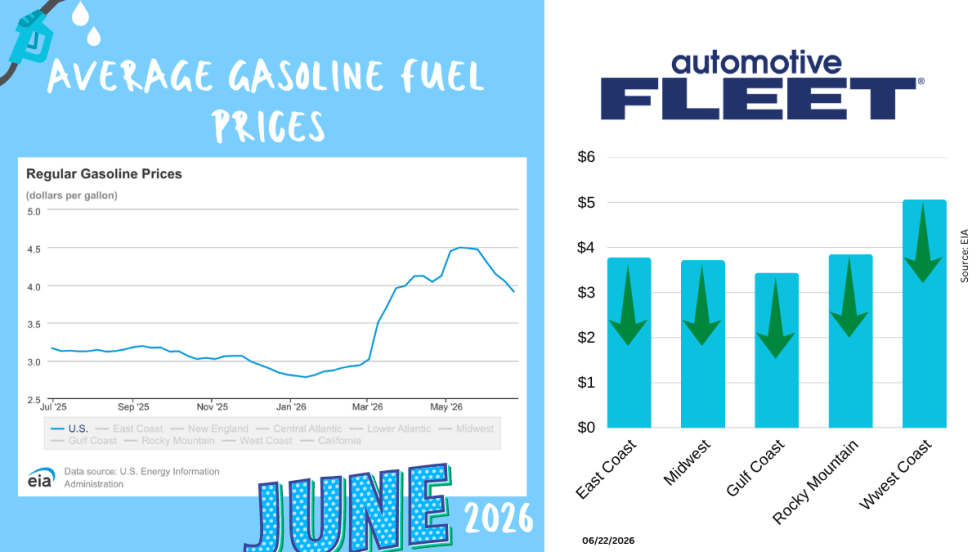
June Fuel Update: Prices Fall Below $4
Drivers are finally getting some relief at the pump. The national average gas price has dropped below $4 a gallon for the first time in months, with prices falling in 47 states as oil markets react to developments in U.S.-Iran negotiations.
Read More →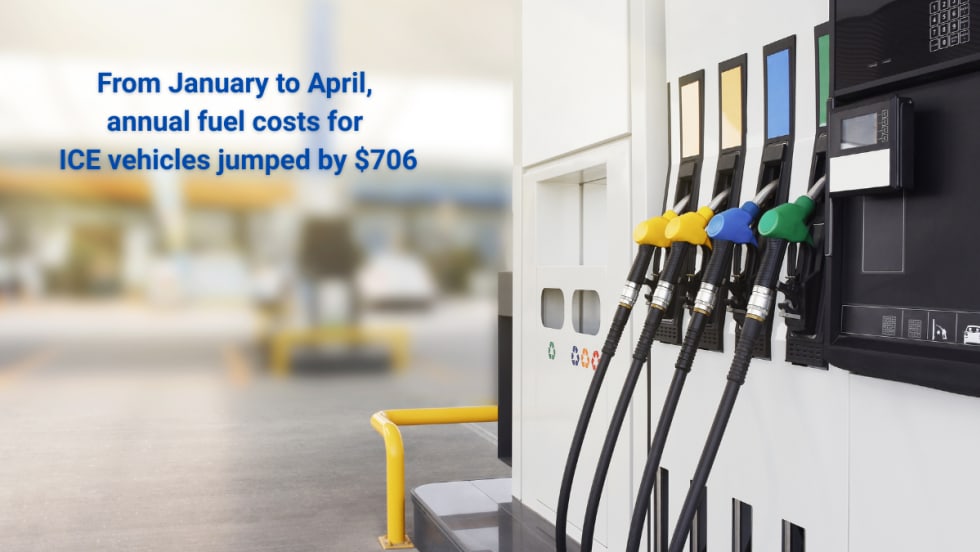
Study: How 2026's Gas Price Hikes Affect Different Vehicle Types
New data from iSeeCars reveals how rising fuel costs have affected different vehicle segments as gasoline prices climbed nearly 46% over the past four months.
Read More →
Are You Tracking Your Fleet's True Total Cost of Ownership?
Bobit Business Media surveyed 190 fleet professionals and found that while most fleets are tracking costs, fragmented systems and data gaps are keeping true TCO visibility out of reach. With rising pressure to control spend in an increasingly volatile environment, the gap between what fleets think they know and what the data actually shows is wider than you might expect. See how your peers are managing costs today and where the industry still has room to improve.
Read More →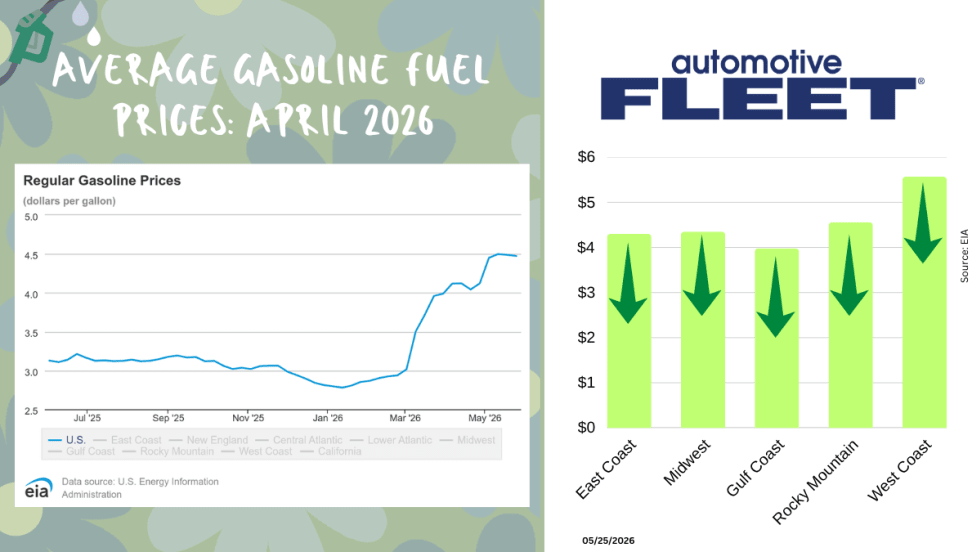
May Fuel Update: All Regions Experience Declines
Gas prices are finally easing in much of the country, but experts warn global tensions could quickly reverse the trend as the national average remains well above last month’s levels.
Read More →