




Cellulosic Ethanol Company Raises Nearly $100M in New Funding
BROOMFIELD, Colo. --- Range Fuels, a company researching the means to bring cellulosic ethanol to market, has raised nearly $100 million in new funding from Khosla Ventures and an undisclosed investor, the Industry Standard reported.
BROOMFIELD, Colo. --- Range Fuels, a company researching the means to bring cellulosic ethanol to market, has raised nearly $100 million in new funding from Khosla Ventures and an undisclosed investor, the Industry Standard reported.
Khosla Ventures, a Silicon Valley venture capitalist, had already committed $25 million to Range Fuels. In fact, according to the Wall Street Journal, Khosla Ventures is backing a number of biofuel startups, primarily those involved in cellulosic ethanol rather than corn-based ethanol.
Range Fuels recently announced plans to build its first ethanol plant in Treutlen County, Ga. The company estimated that this plant, combined with others to follow, will have the capacity to produce over 1 billion gallons of ethanol per year. The first plant is expected to create over 70 new jobs for the area.
"The state of Georgia has provided us with an excellent opportunity to use its abundant renewable natural resources to help solve fuel issues for the country," said Mitch Mandich, Range Fuels CEO. "Thanks to Georgia’s environmentally sensitive stewardship of its forests for the past 50 years, Range Fuels can take what is traditionally considered a waste product, and turn it into a source of transportation fuel."
While most domestic ethanol production requires corn as a feedstock, Range Fuels' proprietary process does not. It also completely eliminates the use of enzymes, which have been an expensive component of traditional cellulosic ethanol production. Its technology transforms otherwise useless products such as wood chips, agricultural wastes, grasses, and cornstalks as well as hog manure, municipal garbage, sawdust and paper pulp into ethanol through a thermo-chemical conversion process. The company's system, K2, uses a two-step process to convert biomass to a synthetic gas and from there, convert the gas to ethanol.
More Green Fleet

EV Charging Use Is Outpacing Infrastructure Growth
ChargePoint’s 2026 Charging Forward Report points to rising charger use, higher-powered charging, commercial vehicle electrification, and energy-management technology. Here’s what fleets should know.
Read More →
Merchants Fleet Reports 290M EV Miles as Fleets Navigate Changing Electrification Market
From millions in operating savings to hundreds of millions of EV miles, Merchants Fleet’s latest report reveals what’s working and what’s changing in fleet electrification.
Read More →
The EV Breakdown Nobody's Talking About: Why Most Electric Vehicle Roadside Calls Aren't Mechanical Failures
Here's why EV breakdowns are widely misunderstood.
Read More →
ChargePoint Now Available in Energy Pass
ChargePoint and additional planned charging network integrations were added to GM's Energy Pass.
Read More →

First Look: Slate Auto's Electric Fleet Pickup
Could an affordable, modular EV pickup make electrification more practical for fleets?
Read More →
Slate Debuts Colorful, Unique EV Models
A recent media and client event, studded with electric vehicles dressed up on platforms, planted a new position for the manufacturer in the wider EV market. Fleets will find cost-saving advantages.
Read More →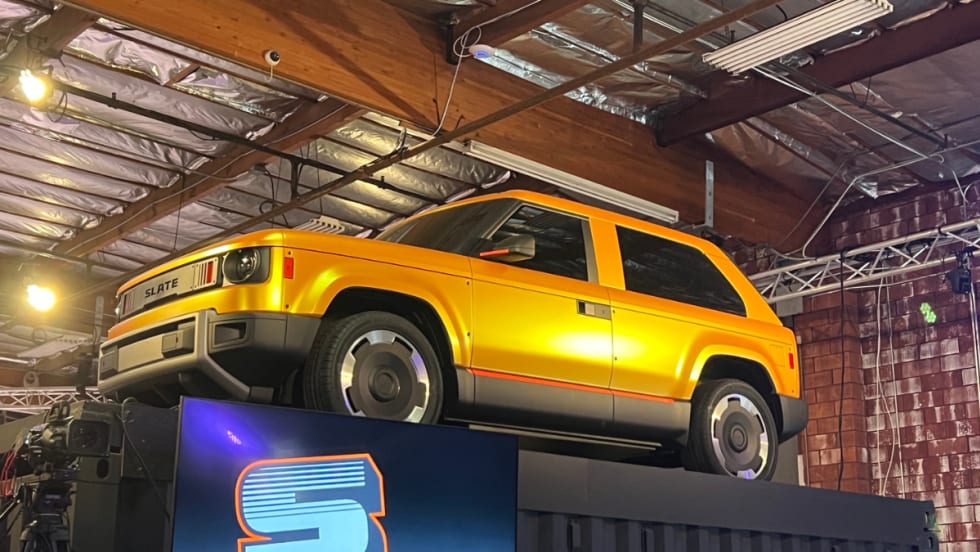
Slate Electric SUV, Pickup Switchable Model Aims For Light-Duty Fleets
Everything about this EV is counterintuitive and understated, making it stand out from the crowd.
Read More →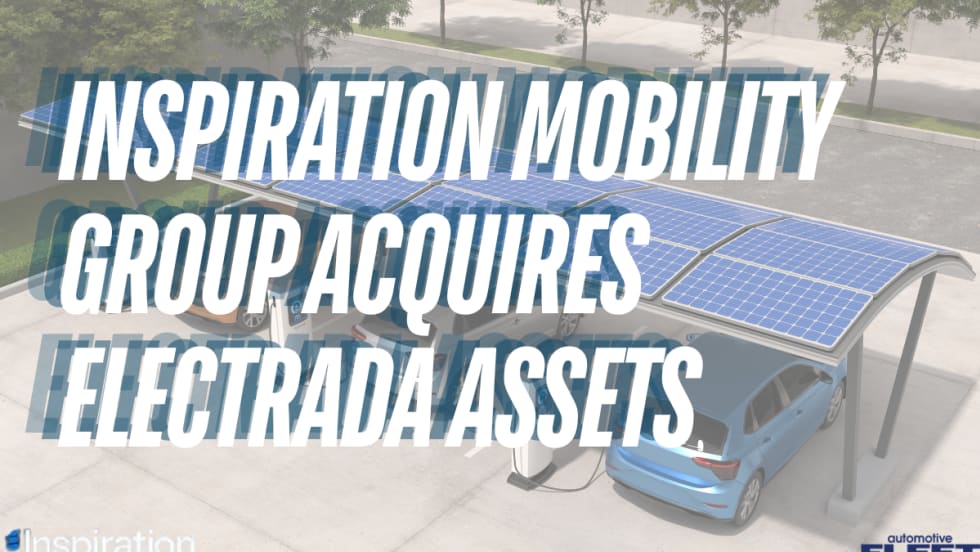
Inspiration Mobility Acquires Key Electrada Assets
Inspiration Mobility Group has acquired select assets of Electrada, adding the fleet electrification provider's team, technology, and charging infrastructure development capabilities to its energy management business.
Read More →
Turning Connected Vehicle Data Into Decisions That Matter
Fleet leaders have more data than ever, but turning that data into clear, actionable decisions remains a challenge. This white paper shows how leading organizations are using connected vehicle data to improve safety, reduce costs, and optimize fleet performance. Learn how to turn insight into action across your fleet.
Read More →