





Don’t Miss This: Catalytic Converter Theft Crisis: 6 Preventive Measures You Can Take
Catalytic Converter Thefts Skyrocket 1,215% in Two Years
A new report published by the National Insurance Crime Bureau examines recent trends concerning various auto crimes including stolen vehicles, catalytic converter thefts, carjackings, and fuel theft.
July 15, 2022

Vehicle theft and other auto crimes are increasingly on the rise in the United States.
Photo: Canva
3 min to read
In 2021, catalytic converter theft claims in the U.S. increased a staggering 1,215% compared to 2019, and car thefts rose 17% in 2021 compared to 2019, reports The NICB Informer, published by the National Insurance Crime Bureau (NICB).
The report explores recent trends concerning various forms of auto crimes including stolen vehicles, catalytic converter thefts, violent carjackings, and fuel theft.
Vehicle theft has been steadily on the rise. 2020 saw the most vehicle thefts in more than a decade. Beginning in June 2020, the U. S. experienced a 13% increase in auto thefts, with 41 states seeing an increase over the previous year, a trend that has continued throughout 2021. In 2021, car theft was up by 29% as compared to 2017, just four years earlier.
On the upside, 81% of vehicle thefts reported in 2020 were recovered as of Sept. 30, 2021, reports the Informer.
Unattended cars either idling or with the keys left in them are a major target for thieves. For example, in 2020, there were nearly 97,800 thefts with keys reported to the National Crime Information Center (NCIC). Overall, over the course of 2020, thefts with keys increased by a total of 20% by the end of the year.
Catalytic converter theft has spread rapidly across the country in recent years as well. From 2019 to 2020, there was a 325% increase in catalytic converter thefts — and the trend continued, reaching more than 52,000 catalytic converter thefts nationwide in 2021. That’s more than a 1,200% increase over 2019.
The NICB works with legislators to help combat catalytic converter theft. Some 26 states proposed bills aimed at curbing the problem in 2021 alone. As of the end of March 2022, 35 states were assessing newly introduced or carryover legislation to address these crimes. So far in 2022, Alabama, Indiana, and South Dakota have passed legislation.
Carjackings are another crime of great concern. Unlike auto theft, a carjacking involves violent confrontation with an offender or the perceived threat of violence that could cause death or serious bodily injury.
Some of the largest increases in carjacking trends between 2019 and 2021. Several major cities have experienced triple-digit increases in carjackings — the highest escalations in the nation. For example, carjackings in New York City rose 286% while Philadelphia saw a 238% increase, Chicago a 207%, and Washington, D.C, a 200% increase.
Finally, thanks to sky-high gas prices fuel theft is on the rise, reports the Informer. Thieves are getting creative with multiple tactics emerging. They are using skimmer devices to steal credit card information, siphoning gas directly from vehicles, drilling into vehicle fuel tanks, and stealing directly from the pumps. Law enforcement across the nation is warning motorists to be vigilant and aware of their surroundings.
More Safety

What’s Next for Fleet? Safety, AI & Industry Recognition | AF News Recap
Could your company's culture be encouraging distracted driving? This week, we're exploring how workplace expectations affect driver safety, what AI, EVs, and autonomous vehicles could mean for the future of fleet management, and how fleet professionals can strengthen their award nominations.
Read More →
Does Your Fleet's Culture Encourage Distracted Driving?
What happens when the people responsible for enforcing safety rules are the ones setting the wrong example? The answer may reveal why some of the biggest risks to fleet drivers have little to do with what's written in the employee handbook.
Read More →
Sponsored•October 1, 2026
Fleet Manager’s Ultimate Playbook: Navigating the New Standard in OEM Connectivity
Rising operating costs, driver safety concerns, and unplanned downtime are putting unprecedented pressure on modern fleets. Discover how fleet managers use embedded OEM connectivity and real-time vehicle data to cut TCO, prevent downtime, and protect drivers without aftermarket telematics hardware.
Read More →
From Driver Well-Being to EV Charging | AF News Recap
Mental health belongs in the fleet safety conversation. This week, we’re looking at five ways fleets can support employee well-being before a crisis, plus Holman’s expansion in Mexico, new one-day Fleet Forward passes, and why EV charging demand is outpacing infrastructure growth.
Read More →
Nexar-Nauto Merger Aims to Give Fleets Better Safety Intelligence Through Larger Driving Dataset
Stefan Heck tells Automotive Fleet that combining more than 10 billion miles of driving history with Nexar's AI models will give fleets deeper insights into driver risk and roadway conditions than either company could provide independently.
Read More →
Don't Wait for a Crisis: 5 Ways to Build Mental Health Into Your Fleet Safety Program
For Suicide Prevention Month, fleet and safety leaders have an opportunity to put mental health where it belongs: at the center of workplace safety.
Read More →
How Camera Data Can Strengthen a Fleet’s Insurance Renewal
Insights from a commercial insurance carrier and a broker show how fleets can turn video telematic data, driver coaching, and improved claims results into a stronger case at insurance renewal.
Read More →
The Safest Fleets Aren’t the Ones with the Most Technology
You’ve made the telematics investment. Here’s how to capture the other half of its value and build the safest fleet on the road.
Read More →
Sponsored•August 7, 2026
Hidden in Plain Sight: Fleet Compliance Risks
Fleet compliance isn't just about having policies — it's about consistently enforcing them. This practical guide reveals six hidden compliance risks common in public sector and shared fleet operations and outlines proven strategies to improve visibility, accountability, and audit readiness
Read More →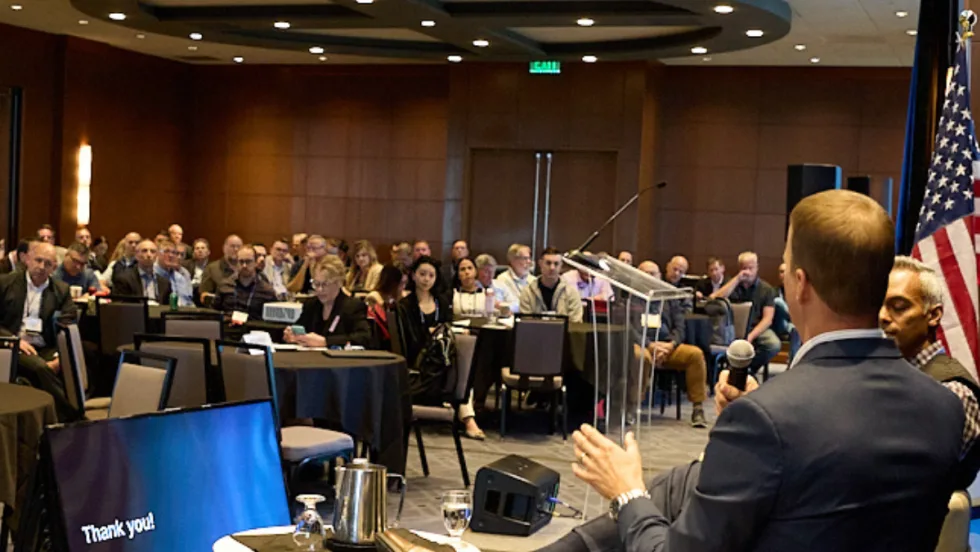
NETS Sets 2026 Fleet Safety Benchmark Conference for Indianapolis
The Sept. 15–17 program will feature fleet benchmarking data, case studies, emerging technologies, and implementation strategies while running alongside the NSC Safety Congress & Expo.
Read More →