




CARB Tightens Fuel Emission Rules
The California Air Resources Board has opted to “readopt” a Low Carbon Fuel Standard that requires a 10 percent reduction in the “carbon intensity of transportation fuels” by 2020.


Image: California State Transportation Agency

Image: California State Transportation Agency
In line with a policy goal of California Gov. Jerry Brown (D) that calls for a greenhouse-gas-reduction target of 40% below 1990 levels by 2030, the California Air Resources Board announced Sept. 25 that it has opted to “readopt” a Low Carbon Fuel Standard (LCFS) that requires a 10% reduction in the “carbon intensity of transportation fuels” by 2020.
The board also said it has adopted a regulation on Alternative Diesel Fuels (ADF). This measure establishes a three-step process beginning in 2016 “to create a path to bring cleaner diesel substitutes into the market.”
The regulation also establishes requirements and fuel specifications for biodiesel to ensure the emissions of nitrogen oxides (NOx) from biodiesel use will not increase and will be reduced over time. CARB noted that biodiesel and other ADFs can help producers achieve their target under the low-carbon fuel standards.
These actions follow an executive order issued by Gov. Brown in July that directs state agencies to craft an “integrated action plan” by July 2016 that would set “clear targets to improve freight efficiency, transition to zero-emission technologies [for cars and trucks] and increase competitiveness of California's freight system.”
The moves build on “years of successful implementation and will continue reducing carbon emissions from the transportation sector," said CARB Chair Mary D. Nichols. “Transportation is the largest source of greenhouse gases in the state," she noted. “This program is a key element of California’s plans to enact Gov. Brown’s Executive Order mandating a 50% cut in petroleum use by 2030.”
According to CARB, the LCFS ensures that transportation fuels used in California meet a baseline target for carbon intensity. That target is reduced each year. If a product is deemed above the annual carbon intensity target, the fuel incurs deficits. If a product is below the target, the fuel generates credits that may be used later for compliance or sold to other producers who have deficits. The board said that, so far, fuel producers are “over-complying with the regulation.”
California determines carbon intensity through a life-cycle analysis that measures the amount of carbon generated during the extraction, production, transportation and combustion of a fuel.
Therefore, said CARB, the LCFS does not require use of any specific fuel – only that regulated parties find a blend of fuels and credits that will meet the declining target each year.
CARB noted that the decline in the LCFS carbon-intensity targets was “frozen due to a legal challenge.” That was resolved by readopting the LCFS rule following public testimony delivered during a board meeting.
The readopted version of the LCFS includes modifications CARB said were developed with stakeholder input, including:
Incorporating additional cost containment in response to stakeholder concerns about possible price spikes by including a mechanism to cap LCFS credit prices
Streamlining the application process for alternative fuel producers seeking a carbon intensity score
Improving the process for earning LCFS credits by charging electric vehicles
The Western States Trucking Association is having none of it. “The LCFS is just another example of the constant tinkering by CARB with fuel blends in this state that has led California to have the highest average gas price in the country – for arguably little overall effect on global climate change,” WSTA Director of Governmental Affairs & Communications Joe Rajkovacz told HDT.
"Between California’s already high taxes at the pump, hidden taxes as a result of CARB’s cap and trade system on refiners and distributors, and the reduced fuel economy from already mandated ‘boutique fuel’ blends, this state seems intent on crippling significant sectors of its economy,” he continued.
As for the ADF regulation, Rajkovacz said that has been “in the works for quite some time as regulators singularly focus on carbon neutral solutions to fossil fuel usage.
“The good news,” he added, “is that while this effort will place California-based motor carriers at a competitive disadvantage in the marketplace, because they can’t avoid the increased associated fuel costs that will occur since they operate extensively here, trucks coming from out-of-state will always be able to buy their fuel in border states – avoiding the increased costs and the likely lower fuel efficiency that invariably follows in the wake of mandating ‘boutique fuel’ blends.”
More Green Fleet
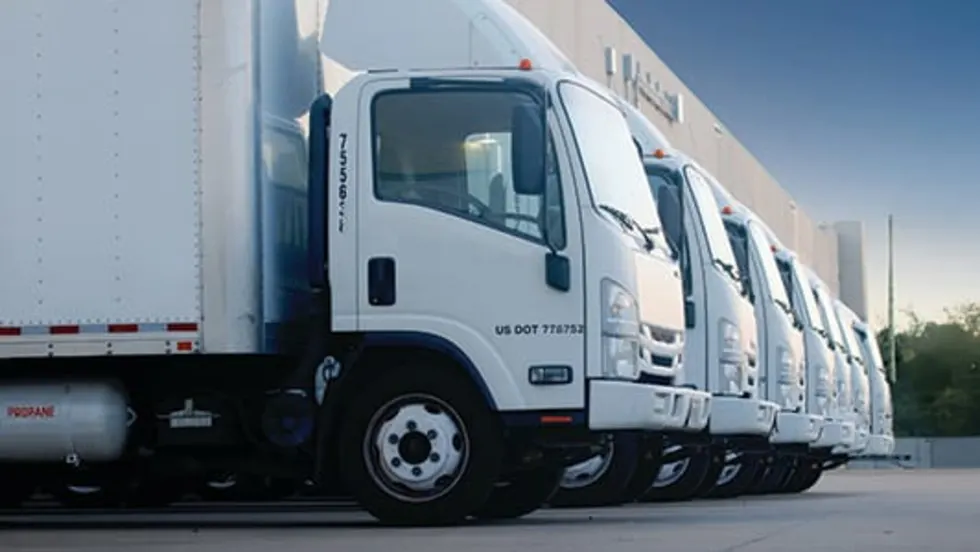
New Propane Autogas Program Offers Fleet Compensation
Qualified commercial fleets can receive $7,500 per eligible propane autogas vehicle and up to $10,000 for new refueling site prep. Learn how the program works and see whether your fleet qualifies.
Read More →
EV Charging Use Is Outpacing Infrastructure Growth
ChargePoint’s 2026 Charging Forward Report points to rising charger use, higher-powered charging, commercial vehicle electrification, and energy-management technology. Here’s what fleets should know.
Read More →
Merchants Fleet Reports 290M EV Miles as Fleets Navigate Changing Electrification Market
From millions in operating savings to hundreds of millions of EV miles, Merchants Fleet’s latest report reveals what’s working and what’s changing in fleet electrification.
Read More →

The EV Breakdown Nobody's Talking About: Why Most Electric Vehicle Roadside Calls Aren't Mechanical Failures
Here's why EV breakdowns are widely misunderstood.
Read More →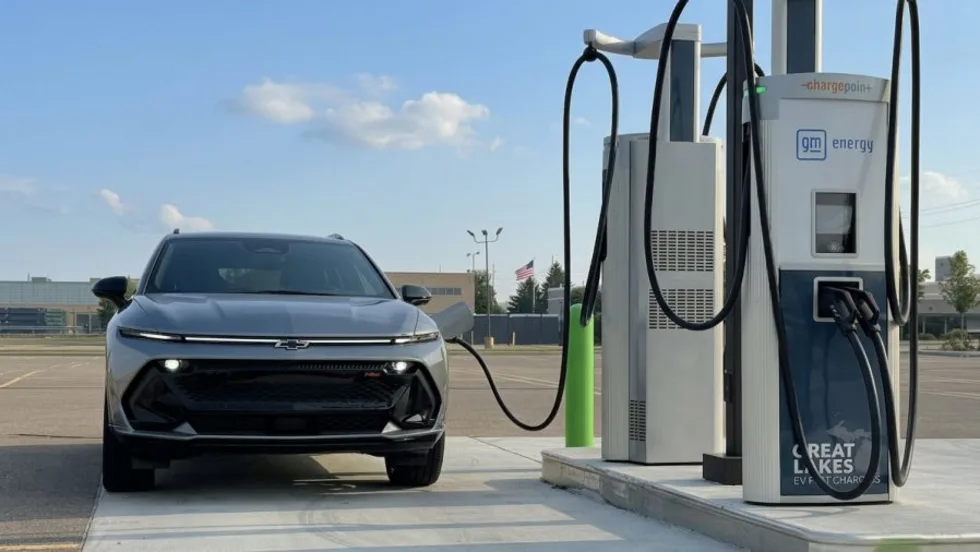
ChargePoint Now Available in Energy Pass
ChargePoint and additional planned charging network integrations were added to GM's Energy Pass.
Read More →

First Look: Slate Auto's Electric Fleet Pickup
Could an affordable, modular EV pickup make electrification more practical for fleets?
Read More →
Slate Debuts Colorful, Unique EV Models
A recent media and client event, studded with electric vehicles dressed up on platforms, planted a new position for the manufacturer in the wider EV market. Fleets will find cost-saving advantages.
Read More →
Slate Electric SUV, Pickup Switchable Model Aims For Light-Duty Fleets
Everything about this EV is counterintuitive and understated, making it stand out from the crowd.
Read More →
Inspiration Mobility Acquires Key Electrada Assets
Inspiration Mobility Group has acquired select assets of Electrada, adding the fleet electrification provider's team, technology, and charging infrastructure development capabilities to its energy management business.
Read More →