




California Lawsuit Challenges EPA Emissions Ruling
SAN FRANCISCO, Calif. --- California and 15 other states sued the Bush administration Wednesday, Jan. 2, in hopes of overturning the Environmental Protection Agency's recent decision to block the states' efforts to establish their own emission standards for cars and trucks.
SACRAMENTO, Calif. --- California and 15 other states sued the Bush administration Wednesday, Jan. 2, in hopes of overturning the Environmental Protection Agency's recent decision to block the states' efforts to establish their own emission standards for cars and trucks. The lawsuit was filed in the U.S. 9th Circuit Court of Appeals in San Francisco, the Los Angeles Times reported. Under the federal Clean Air Act, California can impose stricter air pollution laws than the federal government, as long as the state is issued a waiver from the EPA. In the past three decades, the agency has routinely granted such waivers. In turn, other states have had the option to adopt California's standards, rather than federal emission standards, if they are stricter. But in a letter to Gov. Arnold Schwarzenegger last month, EPA Administrator Stephen L. Johnson denied the state a waiver that would have given California authority to implement a 2002 state law seeking to cut greenhouse gas emissions from new vehicles by 30 percent over the next eight years. In the letter, Johnson wrote that the new federal fuel economy standards signed into law last month would lower greenhouse gases even more, making the California emissions law unnecessary. Further, the EPA has said that such standards need to be uniform for all 50 states --- a position echoed by representatives of the Alliance of Automobile Manufacturers. The Los Angeles Times reported that the outcome of the lawsuit may depend on whether California can demonstrate that its greenhouse gas law would effectively reduce emissions more than the new federal fuel economy standard. The new federal standard establishes a fleetwide average of 35 mpg for cars and light trucks by 2020. Johnson has stated that California's emission standards would translate into a 33.8 mpg fuel economy equivalent --- a figure strongly disputed by the California Air Resources Board technical staff. The 15 states joining California in the lawsuit are Massachusetts, Arizona, Connecticut, Delaware, Illinois, Maine, Maryland, New Jersey, New Mexico, New York, Oregon, Pennsylvania, Rhode Island, Vermont and Washington. In addition, five national environmental groups joined in the lawsuit.
More Fuel

Turning Fleet Payment Data into Executive Insights
Ramel Lindsay of U.S. Bank Voyager discusses how fleets can transform payment and transaction data into actionable intelligence to reduce costs, improve oversight, and support executive decision-making.
Read More →
Why the IRS Raised Its Mileage Rate in the Middle of 2026
Fuel-price volatility drove the rare increase to 76 cents per mile, the fifth midyear adjustment since 2000.
Read More →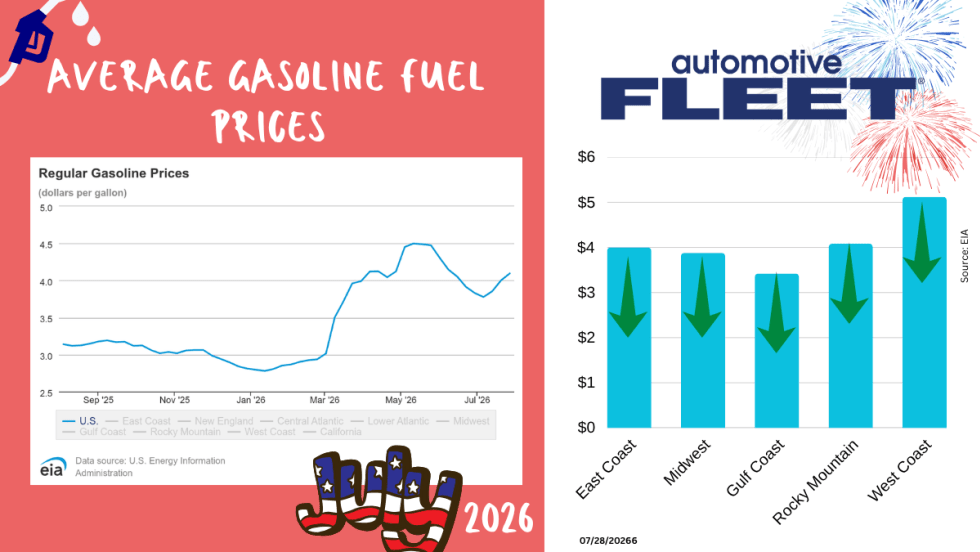
July Fuel Update: Prices Keep Rising in Light of More Conflict
Gas prices continue to rise as more and more conflicts do, too.
Read More →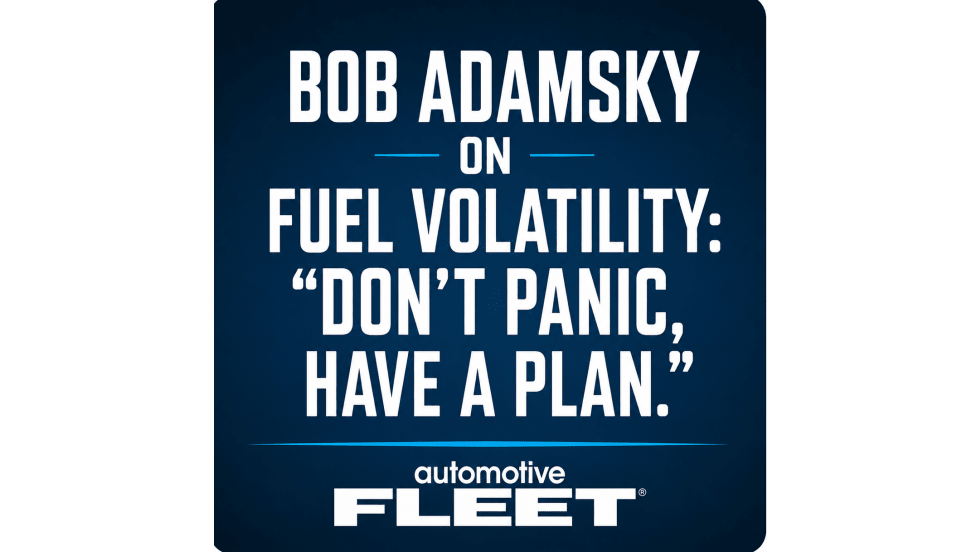
Bob Adamsky on Fuel Volatility: "Don't Panic, Have a Plan."
When it comes to up and down fuel prices, Adamsky has a message for fleets: “Don’t panic.”
Read More →
How Fleets Can Gain Control of Non-Fuel Spend
Fuel often gets the spotlight, but non-fuel expenses can have a major impact on fleet costs. Ramel Lindsay of U.S. Bank Voyager discusses how fleets can gain better visibility and control over these often-overlooked expenditures.
Read More →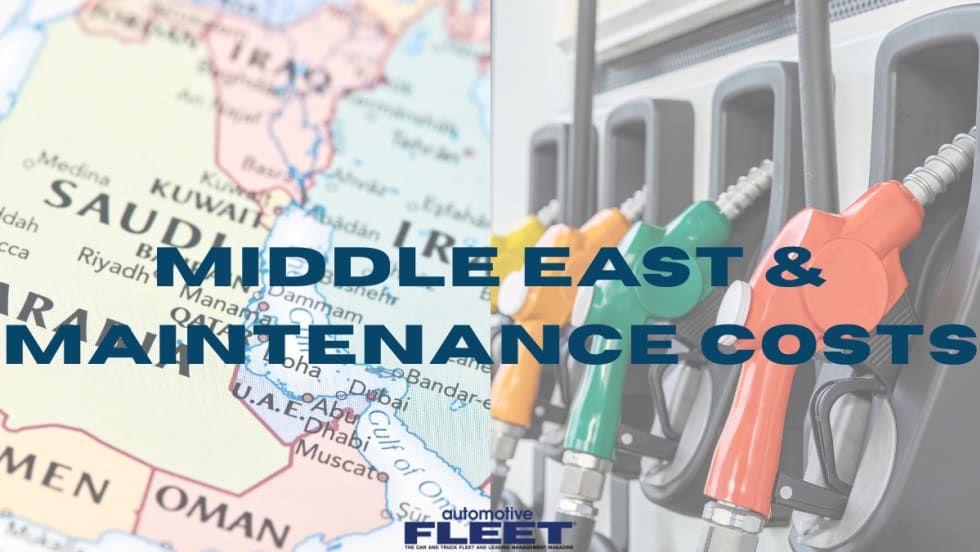
Fuel is Just the Start: How Middle East Tensions are Driving Up Fleet Maintenance Costs
The Middle East conflict is doing more than pushing up fuel prices. It’s also raising the cost of key maintenance products your fleet depends on, from motor oil to tires to windshield wipers. Here’s what you need to know about this budget-busting situation.
Read More →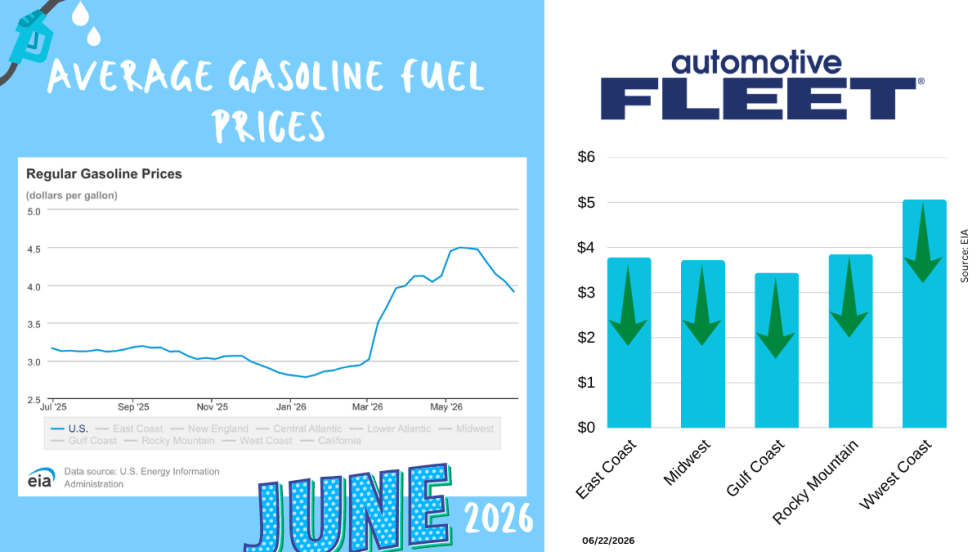
June Fuel Update: Prices Fall Below $4
Drivers are finally getting some relief at the pump. The national average gas price has dropped below $4 a gallon for the first time in months, with prices falling in 47 states as oil markets react to developments in U.S.-Iran negotiations.
Read More →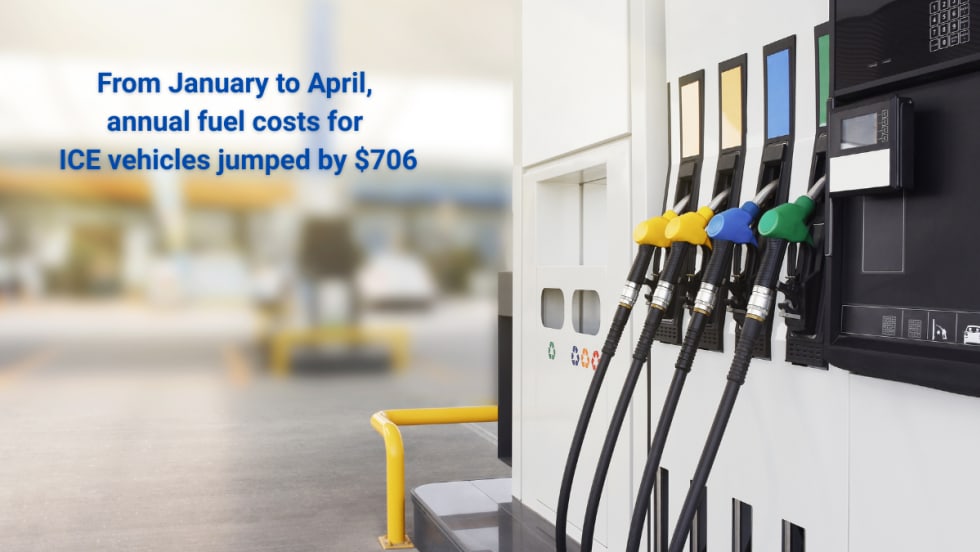
Study: How 2026's Gas Price Hikes Affect Different Vehicle Types
New data from iSeeCars reveals how rising fuel costs have affected different vehicle segments as gasoline prices climbed nearly 46% over the past four months.
Read More →
Are You Tracking Your Fleet's True Total Cost of Ownership?
Bobit Business Media surveyed 190 fleet professionals and found that while most fleets are tracking costs, fragmented systems and data gaps are keeping true TCO visibility out of reach. With rising pressure to control spend in an increasingly volatile environment, the gap between what fleets think they know and what the data actually shows is wider than you might expect. See how your peers are managing costs today and where the industry still has room to improve.
Read More →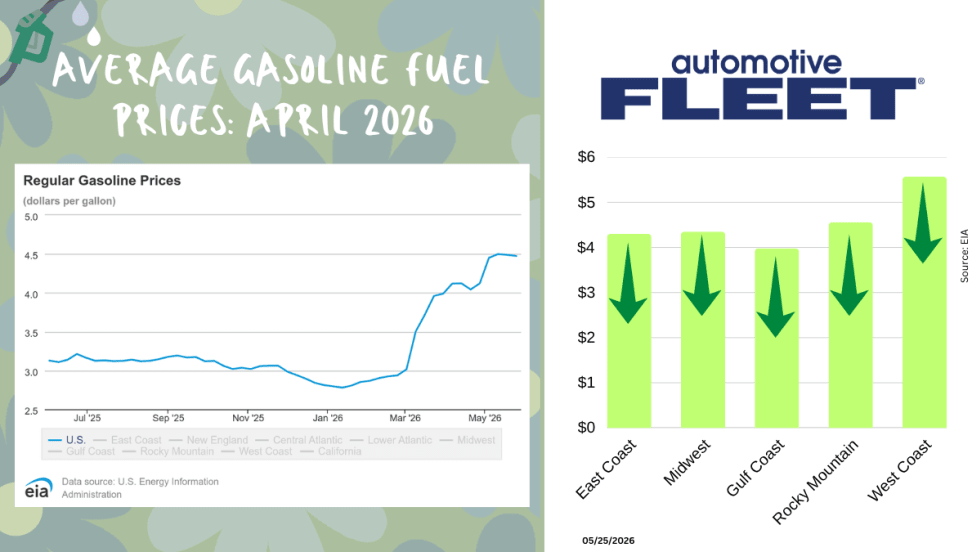
May Fuel Update: All Regions Experience Declines
Gas prices are finally easing in much of the country, but experts warn global tensions could quickly reverse the trend as the national average remains well above last month’s levels.
Read More →