




California Hybrid HOV-Lane Passes Going Fast
SACRAMENTO, CA – Only a year after the hybrid carpool-lane access program was introduced in California, officials are perhaps weeks away from capping the number of special permits for hybrid cars to drive in the state's high-occupancy vehicle lanes.
SACRAMENTO, CA – Only a year after the hybrid carpool-lane access program was introduced in California, officials are perhaps weeks away from capping the number of special permits for hybrid cars to drive in the state’s high-occupancy vehicle lanes, reports The Los Angeles Times. With a maximum of 75,000 permits offered, state officials indicate they had received 74,108 applications and issued 62,355 permits. State officials say the Department of Motor Vehicles is receiving about 220 applications a day for hybrid stickers. Allowing solo hybrid drivers to use the high-occupancy vehicle (HOV) lanes has upset carpoolers who say the extra cars are slowing their commutes and clogging the lanes during rush hour. A similar program in Virginia led to overcrowding of the special access lanes, reducing their effectiveness in their original task: promoting carpooling. California officials planned to have the pilot program expire in 2008, though it’s possible that the Legislature will increase the number of permits allowed, pending the results of a California Department of Transportation study on whether the hybrids are slowing traffic in the carpool lanes, the Times reported. Solo access to the carpool lane is available only to owners of hybrid cars that get at least 45 miles per gallon, a distinction that applies to just the Toyota Prius and the Honda Civic and Insight, and only previously applied to dedicated battery-electric and natural gas vehicles.
More Fuel
October Fuel Trends Show Diverging Gasoline and Diesel Prices
Get the latest fuel trends from October.
Read More →
Fuel Prices Surge in September | September Fuel Update
September brought major fuel price swings, including diesel crossing $6 a gallon. Here’s how gas and diesel prices changed throughout the month, and where they stood heading into October.
Read More →
Turning Fleet Payment Data into Executive Insights
Ramel Lindsay of U.S. Bank Voyager discusses how fleets can transform payment and transaction data into actionable intelligence to reduce costs, improve oversight, and support executive decision-making.
Read More →
Why the IRS Raised Its Mileage Rate in the Middle of 2026
Fuel-price volatility drove the rare increase to 76 cents per mile, the fifth midyear adjustment since 2000.
Read More →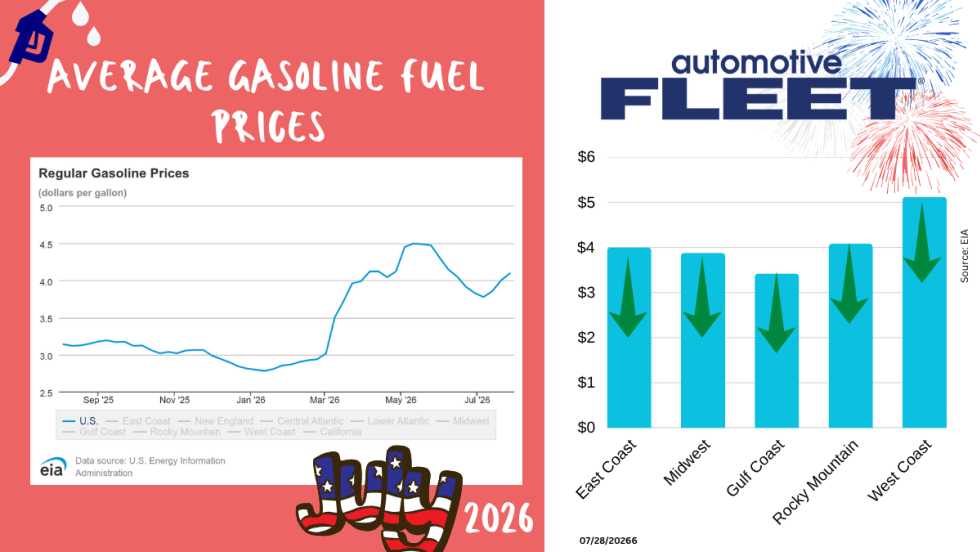
July Fuel Update: Prices Keep Rising in Light of More Conflict
Gas prices continue to rise as more and more conflicts do, too.
Read More →
Bob Adamsky on Fuel Volatility: "Don't Panic, Have a Plan."
When it comes to up and down fuel prices, Adamsky has a message for fleets: “Don’t panic.”
Read More →
How Fleets Can Gain Control of Non-Fuel Spend
Fuel often gets the spotlight, but non-fuel expenses can have a major impact on fleet costs. Ramel Lindsay of U.S. Bank Voyager discusses how fleets can gain better visibility and control over these often-overlooked expenditures.
Read More →
Fuel is Just the Start: How Middle East Tensions are Driving Up Fleet Maintenance Costs
The Middle East conflict is doing more than pushing up fuel prices. It’s also raising the cost of key maintenance products your fleet depends on, from motor oil to tires to windshield wipers. Here’s what you need to know about this budget-busting situation.
Read More →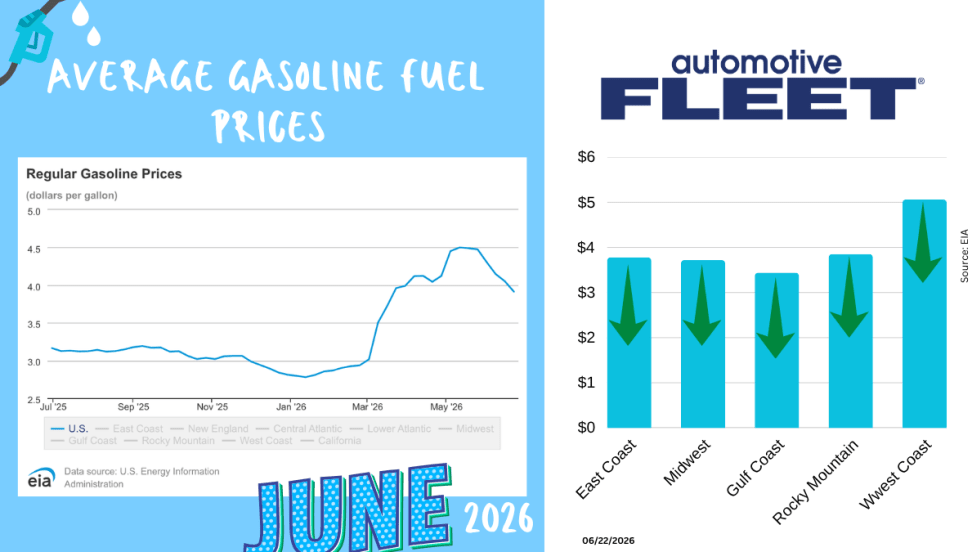
June Fuel Update: Prices Fall Below $4
Drivers are finally getting some relief at the pump. The national average gas price has dropped below $4 a gallon for the first time in months, with prices falling in 47 states as oil markets react to developments in U.S.-Iran negotiations.
Read More →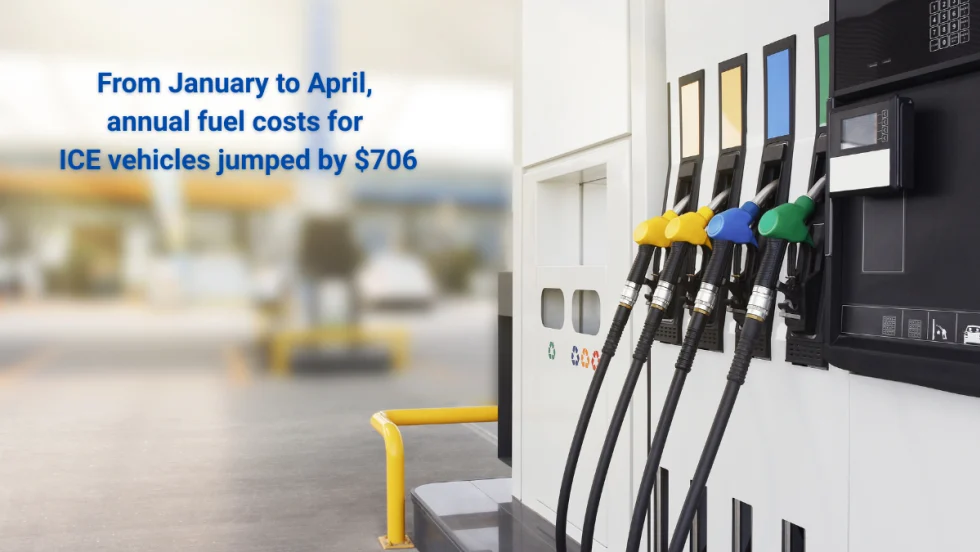
Study: How 2026's Gas Price Hikes Affect Different Vehicle Types
New data from iSeeCars reveals how rising fuel costs have affected different vehicle segments as gasoline prices climbed nearly 46% over the past four months.
Read More →