




Calif. Lags in Penetration of New Clean Diesel Engines
According to the Diesel Technology Forum, California’s truck and bus fleet rule has effectively kept older, higher-emitting trucks on the road for longer, in turn delaying emissions reductions and cleaner air.

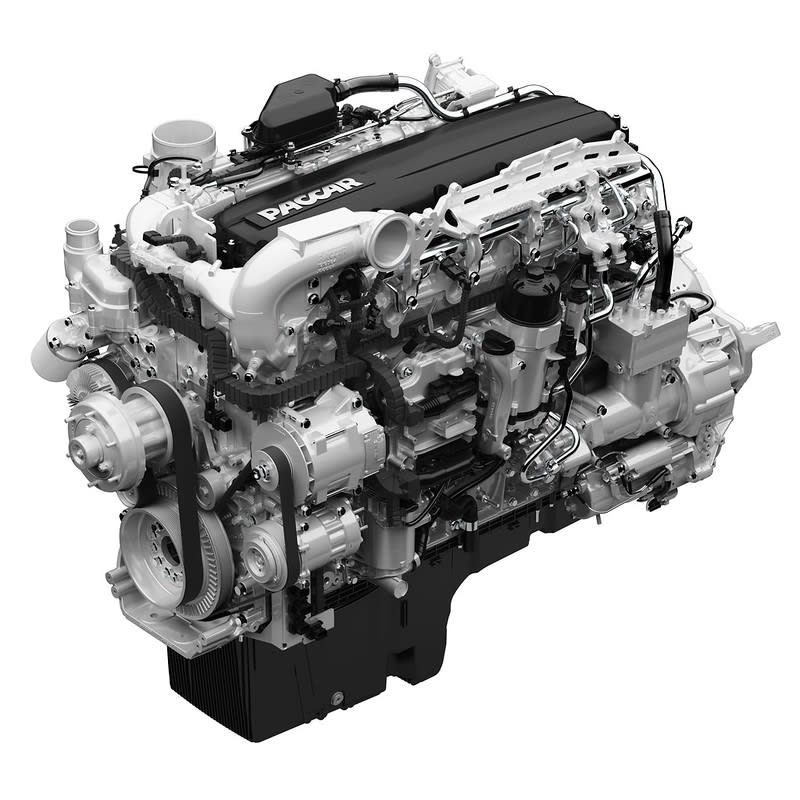
The Paccar MX-13 diesel engine is certified to use B20 biofuel in the U.S. Biofuel capable unit sales represent 45% of PACCAR's total global truck sales.
The Diesel Technology Forum’s executive director Allen Schaeffer issued the following statement today on the occasion of the California Air Resources Board’s (CARB) consideration of the Advanced Clean Truck regulation:
“Even as the California Air Resources Board contemplates mandates for zero emissions vehicles, diesel technology in commercial vehicles will continue to play an important role in California and the nation’s economy for decades to come.
“Diesel is the technology of choice for America’s trucking industry because of its unique combination of features; the most energy efficient internal combustion engine, power density, driving range, reliability, durability and widely available fueling, servicing and parts networks. Continuous improvement that has now achieved near zero emissions, improving energy efficiency and capabilities of using low-carbon renewable biodiesel fuels, ensure diesel’s place in the future.
“Since 2010, a new generation of diesel technology has become the standard for heavy-duty trucks that delivers reductions of 98% of emissions of particulate matter and nitrogen oxide emissions.
“According to the Diesel Technology Forum’s analysis of 2018-2019 U.S. vehicles in operation data (Class 3-8) provided by IHS Markit, 43% of the nearly 11 million diesel-powered commercial vehicles on U.S. roads – from box delivery trucks to 18-wheelers – are now powered by the newest generation of diesel technologies (MY 2010 and newer).
Over just four years, the percentage of new-generation diesel trucks on America’s roads has nearly doubled, up from just 25.7% of the fleet in 2015. Even by 2040, IHS Markit projects that the newest-generation diesel technologies will retain the majority share of Class 8 vehicle sales.
“Beginning in 2011, all new heavy-duty trucks have been equipped with selective catalytic reduction (SCR) and particulate control technologies. These combine to achieve stringent new U.S. Environmental Protection Agency (EPA) and CARB emissions requirements for NOx emissions of no more than 0.20 grams per brake horsepower hour (g/BHP-hr). This is in addition to PM emissions levels of no more than 0.01 g/BHP-hr.
“In California only 36% of registered diesel trucks in operation are of this newest generation, placing the golden state 40th out of 50 for the penetration of new technology diesel engines on the road, falling short of the national average of 43%, and well behind Indiana where over 65% of all registered trucks are of the newest generation.
“A combination of factors contributes to the lower penetration of new technology diesel engines, including economic conditions but also the regulatory environment where California’s truck and bus fleet rule has disrupted the marketplace, effectively delaying regular fleet turnover rates, keeping older, higher emitting trucks on the road for longer, and in turn delaying emissions reductions and cleaner air.
“California’s consideration of an Advanced Clean Truck Rule is principally about meeting the state’s climate goals. Today, diesel engines using renewable diesel fuel and blends of biodiesel fuels in California are delivering more greenhouse gas benefits than all electric vehicles combined. The replacement of older trucks in California with more efficient new diesel models coupled with the use of these biofuels represents a low-cost solution to deliver substantial and immediate greenhouse gas reductions compared to other approaches.
“Among the West Coast states in Region 9 & 10, which includes California, Washington and Oregon, the use of newest-generation diesel trucks has delivered substantial emissions reductions and fuel savings.
Between 2011 and 2018, the use of the newest, cleanest diesel Class 3-8 trucks has saved 12.3 million tonnes of carbon dioxide (CO2) and eliminated 1.8 million tonnes of nitrogen oxides (NOx). By 2030, the increased use of the cleanest diesel technologies is expected to deliver an additional 120.7 million tonnes of CO2 reductions and eliminate an additional 5.5 million tonnes of NOx collectively in these three West Coast states.
“Beyond this ACT rule, manufacturers are working with regulators at CARB and EPA on a Cleaner Trucks Initiative and rulemaking that will be finalized in the coming months and establish even further reductions in nitrogen oxide emissions making future diesel truck engines even nearer-to-zero emissions and contributing to achieve clean air goals.
“Meeting the climate and clean air challenges in the future will require many solutions, and we are confident that the newest generation of diesel technology is one of them.”
Originally posted on Work Truck Online
More Fuel

Turning Fleet Payment Data into Executive Insights
Ramel Lindsay of U.S. Bank Voyager discusses how fleets can transform payment and transaction data into actionable intelligence to reduce costs, improve oversight, and support executive decision-making.
Read More →
Why the IRS Raised Its Mileage Rate in the Middle of 2026
Fuel-price volatility drove the rare increase to 76 cents per mile, the fifth midyear adjustment since 2000.
Read More →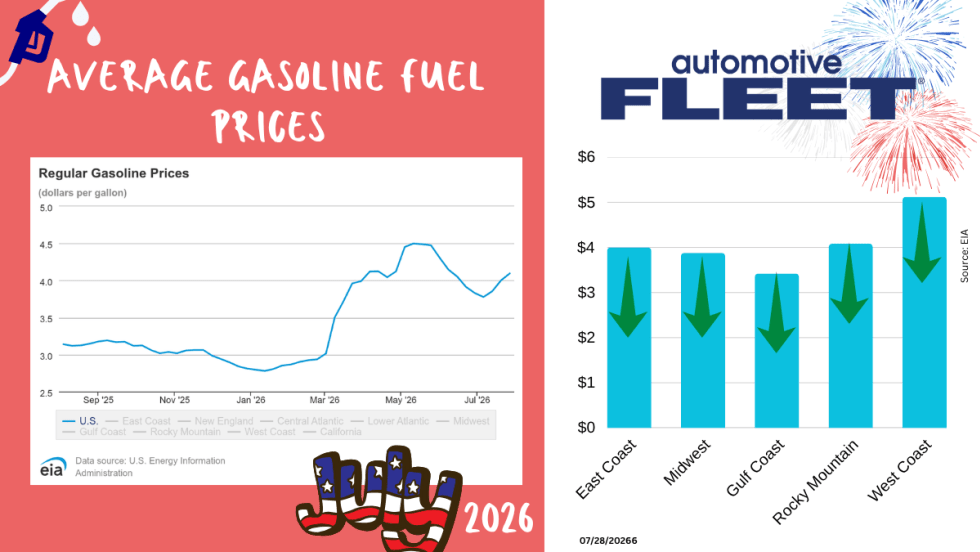
July Fuel Update: Prices Keep Rising in Light of More Conflict
Gas prices continue to rise as more and more conflicts do, too.
Read More →
Bob Adamsky on Fuel Volatility: "Don't Panic, Have a Plan."
When it comes to up and down fuel prices, Adamsky has a message for fleets: “Don’t panic.”
Read More →
How Fleets Can Gain Control of Non-Fuel Spend
Fuel often gets the spotlight, but non-fuel expenses can have a major impact on fleet costs. Ramel Lindsay of U.S. Bank Voyager discusses how fleets can gain better visibility and control over these often-overlooked expenditures.
Read More →
Fuel is Just the Start: How Middle East Tensions are Driving Up Fleet Maintenance Costs
The Middle East conflict is doing more than pushing up fuel prices. It’s also raising the cost of key maintenance products your fleet depends on, from motor oil to tires to windshield wipers. Here’s what you need to know about this budget-busting situation.
Read More →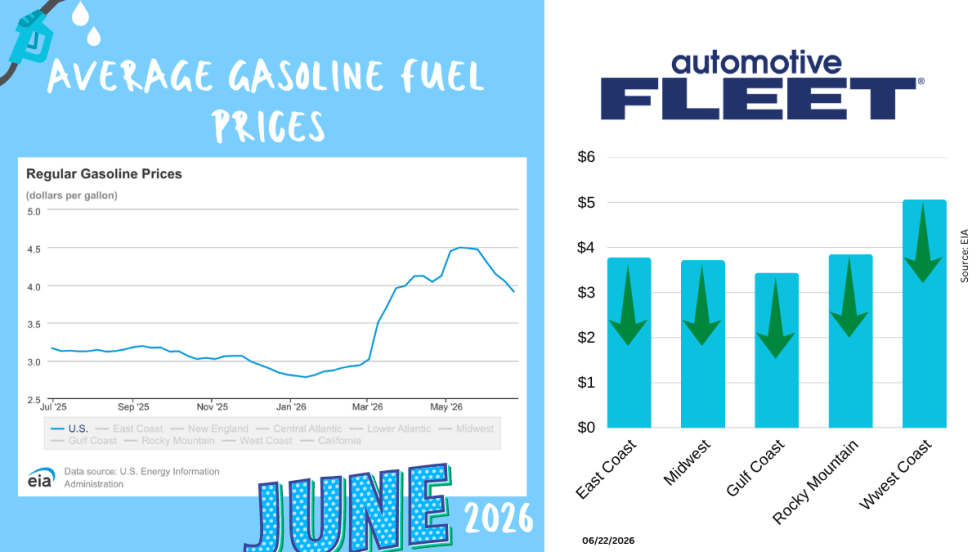
June Fuel Update: Prices Fall Below $4
Drivers are finally getting some relief at the pump. The national average gas price has dropped below $4 a gallon for the first time in months, with prices falling in 47 states as oil markets react to developments in U.S.-Iran negotiations.
Read More →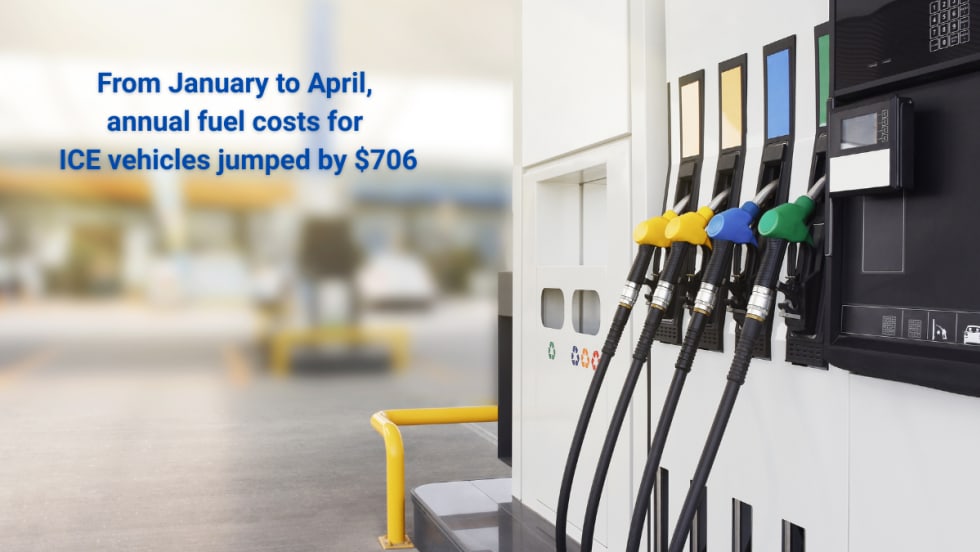
Study: How 2026's Gas Price Hikes Affect Different Vehicle Types
New data from iSeeCars reveals how rising fuel costs have affected different vehicle segments as gasoline prices climbed nearly 46% over the past four months.
Read More →
Are You Tracking Your Fleet's True Total Cost of Ownership?
Bobit Business Media surveyed 190 fleet professionals and found that while most fleets are tracking costs, fragmented systems and data gaps are keeping true TCO visibility out of reach. With rising pressure to control spend in an increasingly volatile environment, the gap between what fleets think they know and what the data actually shows is wider than you might expect. See how your peers are managing costs today and where the industry still has room to improve.
Read More →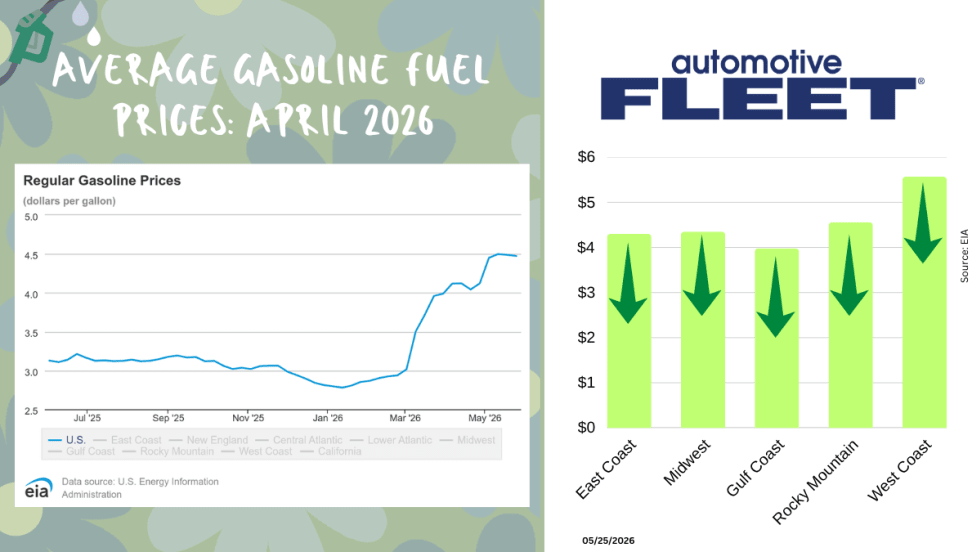
May Fuel Update: All Regions Experience Declines
Gas prices are finally easing in much of the country, but experts warn global tensions could quickly reverse the trend as the national average remains well above last month’s levels.
Read More →