




Burns & McDonnell Implementing New Fleet Management System
Architecture and engineering firm Burns & McDonnell have selected a new Web-based enterprise fleet management system for its nationally distributed fleet of 350 vehicles.
Architecture and engineering firm Burns & McDonnell have selected a new Web-based enterprise fleet management system for its nationally distributed fleet of 350 vehicles. Automotive Fleet magazine contacted the company to find out more about the company, the new system, and the processes it's replacing.
The company said its vehicles are primarily half-ton GM pickup trucks used by site superintendents and field engineers. For the new system, Burns & McDonnell selected Chevin’s FleetWave Web-based application, which will replace a non-integrated vehicle reservation and management system.
This new system offers a number of benefits over the previous system, according to Burns & McDonnell, and will replace a number of manual processes. The previous process used by Burns & McDonnell employees to reserve a vehicle started with an employee making a phone call, asking in person, or sending an email. Later, when the driver turned the vehicle in, he or she would complete a form with mileage and days used. Fleet management personnel would then take that form data, and enter a ticket into a company-developed fleet management application built around MS Access 97 (known at the company as the “Car Trip Ticket Tracking System” or the “Fleet Program”).
From there, on a weekly and on a month-end basis, the company would use the application to generate a data file, validated by Administrative Staff, which would then be sent via FTP to a Linux server. Then, another program in the company’s Oracle ERP would re-validate the data, store it in tables in Oracle, and lastly ERP support staff would move the report to Oracle Projects tables.
The company’s Chad Mallory, fleet supervisor for the firm, said the new system will help the company operate in more efficiently and cost-effectively. The new system will streamline driver assignments and related charge-out rates, and correlate this data with the projects company engineers are working on. From there, the system will automatically pass this data to the company’s Oracle project management and billing systems.
Looking ahead, the company plans to integrate the new fleet management application with its human resources and telematics applications, with select national account service providers, and with Comdata’s procurement card, where it will automatically import maintenance and fuel spend data.
By Greg Basich
More Telematics
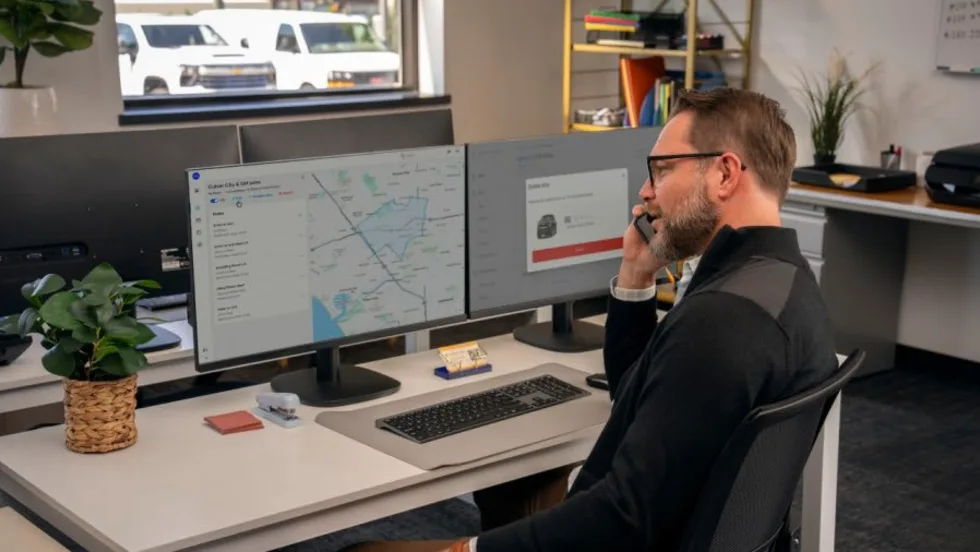
GM Launches OnStar Fleet Intelligence Platform With AI Assistant
The new platform brings vehicle data, order tracking, connected services and fleet analytics into one system, with an AI assistant that can answer fleet questions using natural-language prompts.
Read More →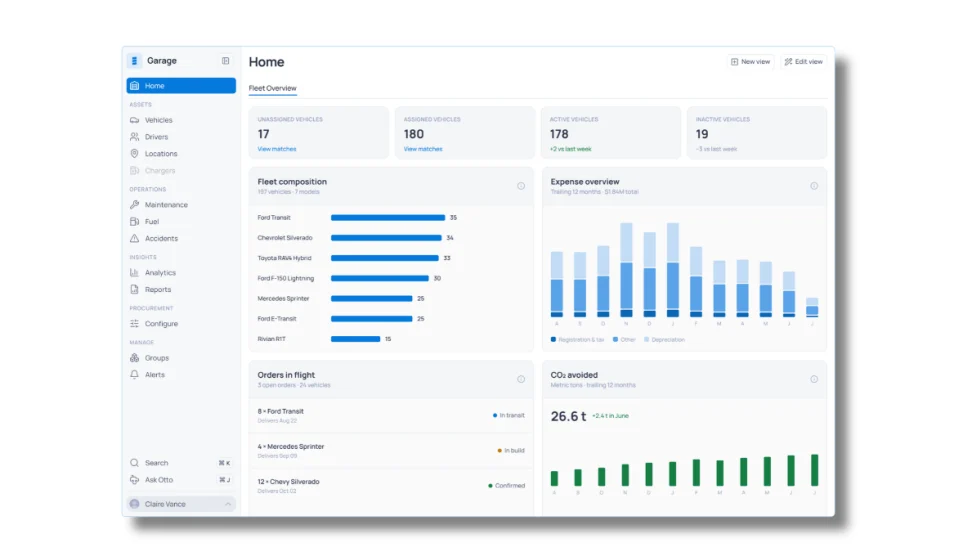
Inspiration Fleet Introduces Garage 2.0 Fleet Intelligence Platform
Fleet managers increasingly have access to data from vehicles, telematics, fuel, charging, and other systems, but those sources don't always communicate with one another. Inspiration Fleet's Garage 2.0 platform brings that information together while letting fleets keep working with different technology and service providers.
Read More →
Inside Inspiration Fleet’s New Platform for Connecting Fleet Data
Inspiration Fleet CTO Chris Getner explains how the new Garage 2.0 platform is designed to connect disparate fleet data and what that could mean for fleet managers in practice.
Read More →
Fleet Manager’s Ultimate Playbook: Navigating the New Standard in OEM Connectivity
Rising operating costs, driver safety concerns, and unplanned downtime are putting unprecedented pressure on modern fleets. Discover how fleet managers use embedded OEM connectivity and real-time vehicle data to cut TCO, prevent downtime, and protect drivers without aftermarket telematics hardware.
Read More →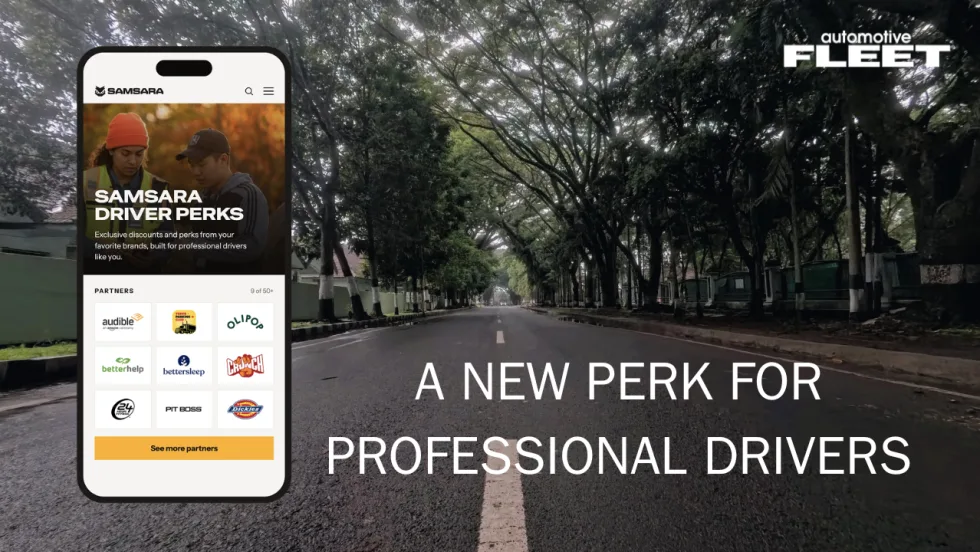
Samsara Driver Perks Adds New Benefit for Corporate Fleet Drivers
The rewards program gives eligible professional drivers access to discounts from more than 50 brands while giving fleets another way to support recruitment, retention, and the driver experience.
Read More →
Inside the Church of Jesus Christ of Latter-day Saints’ Two-Track Telematics Strategy
With 20,000 vehicles and two fundamentally different driver populations, the Church faced a fleet management problem that a single telematics program couldn't solve. How it responded offers a replicable framework for any fleet where one size doesn't fit every driver.
Read More →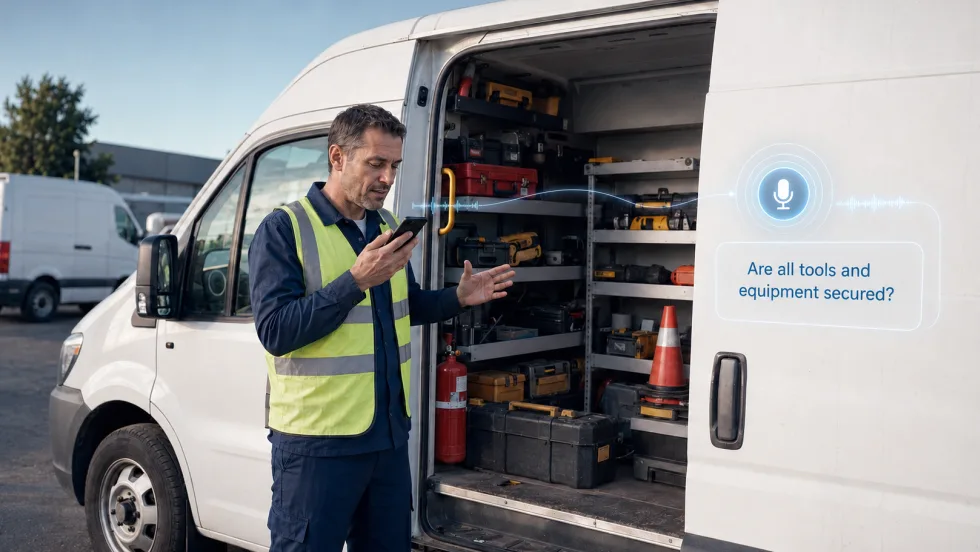
How Conversational AI Can Make Fleet Tasks Easier for Drivers
While most generative AI tools help fleet managers interpret data at their desks, Connex2X is applying voice interaction to tasks behind the wheel.
Read More →
Why Fleets Are Creating Dedicated Fleet Analyst Positions
Are fleet analyst positions the new norm? Listen here to find out.
Read More →
Teletrac Navman Begins Next Chapter as Standalone Private Company
What's new with Teletrac Navman and its new owner?
Read More →
Why Fleets Are Creating Dedicated Fleet Analyst Positions
Telematics, AI, EVs, and connected technologies are generating more fleet data than traditional teams can effectively manage. Reed Jackson explains why dedicated fleet analytics roles are emerging to turn that information into better operational decisions.
Read More →