




Bug Guts May Hold Key to Cheaper Ethanol Production
SAN FRANCISCO --- Researchers are studying insects to find ways to produce alternative fuels more efficiently and less expensively.
SAN FRANCISCO --- Researchers are studying insects to find ways to produce alternative fuels more efficiently and less expensively. According to a MSNBC report, microbes inside the termite's digestive system are shedding light on ways to make biofuels more effectively. Over the next decade, alternative fuel research is expected to draw billions of dollars. Development of alternative fuels was a major topic at this year's meeting of the American Association for the Advancement of Science last week. The most promising technologies are varied, ranging from biofuels to fuel cells. "Currently, transportation fuel is the most valuable form of energy we have," Steven Chu, director of the Lawrence Berkely National Laboratory told MSNBC. "The economics is such that powering automobiles with gasoline is now four times as expensive as powering them with plug-in electricity." In one study, Illinois scientists converted miscanthus grass into ethanol at a rate of 2,500 gallons per acre, reported Christopher Somerville, a researcher at the Carnegie Institution and Stanford University. Chu said that if that process could be commercialized, that yield would be 2.5 times higher than sugar cane --- the crop used in Brazil's successful ethanol industry. Cellulose-based ethanol could theoretically replace at least one-third of gasoline consumed in the U.S. At present, though, processes for converting cellulose into ethanol are still costly and inefficient. That's where the study of termite digestion comes into play. The cell walls of cellulose are made to discourage digestion by insects. But those cell walls haven't thwarted those pesky termites.
More Fuel

Fuel Prices Surge in September | September Fuel Update
September brought major fuel price swings, including diesel crossing $6 a gallon. Here’s how gas and diesel prices changed throughout the month, and where they stood heading into October.
Read More →
Turning Fleet Payment Data into Executive Insights
Ramel Lindsay of U.S. Bank Voyager discusses how fleets can transform payment and transaction data into actionable intelligence to reduce costs, improve oversight, and support executive decision-making.
Read More →
Why the IRS Raised Its Mileage Rate in the Middle of 2026
Fuel-price volatility drove the rare increase to 76 cents per mile, the fifth midyear adjustment since 2000.
Read More →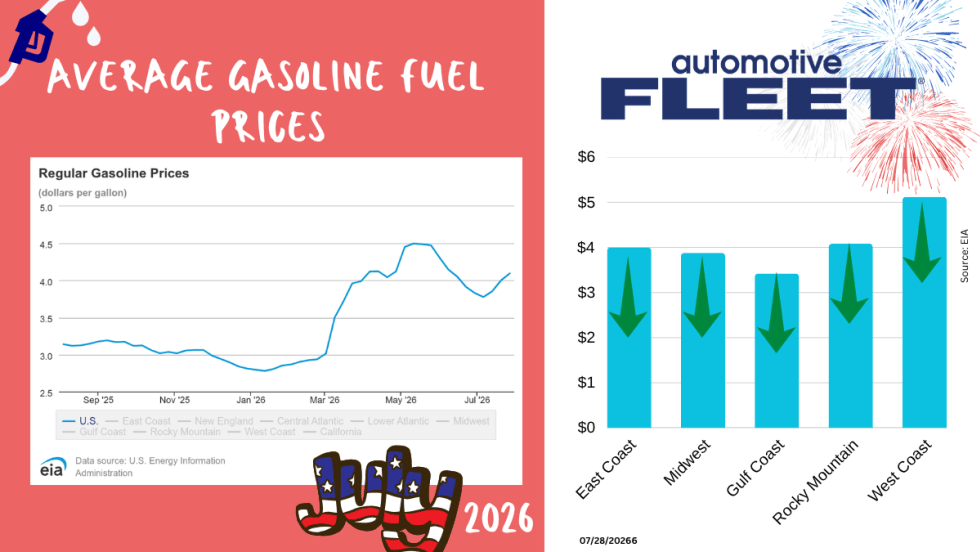
July Fuel Update: Prices Keep Rising in Light of More Conflict
Gas prices continue to rise as more and more conflicts do, too.
Read More →
Bob Adamsky on Fuel Volatility: "Don't Panic, Have a Plan."
When it comes to up and down fuel prices, Adamsky has a message for fleets: “Don’t panic.”
Read More →
How Fleets Can Gain Control of Non-Fuel Spend
Fuel often gets the spotlight, but non-fuel expenses can have a major impact on fleet costs. Ramel Lindsay of U.S. Bank Voyager discusses how fleets can gain better visibility and control over these often-overlooked expenditures.
Read More →
Fuel is Just the Start: How Middle East Tensions are Driving Up Fleet Maintenance Costs
The Middle East conflict is doing more than pushing up fuel prices. It’s also raising the cost of key maintenance products your fleet depends on, from motor oil to tires to windshield wipers. Here’s what you need to know about this budget-busting situation.
Read More →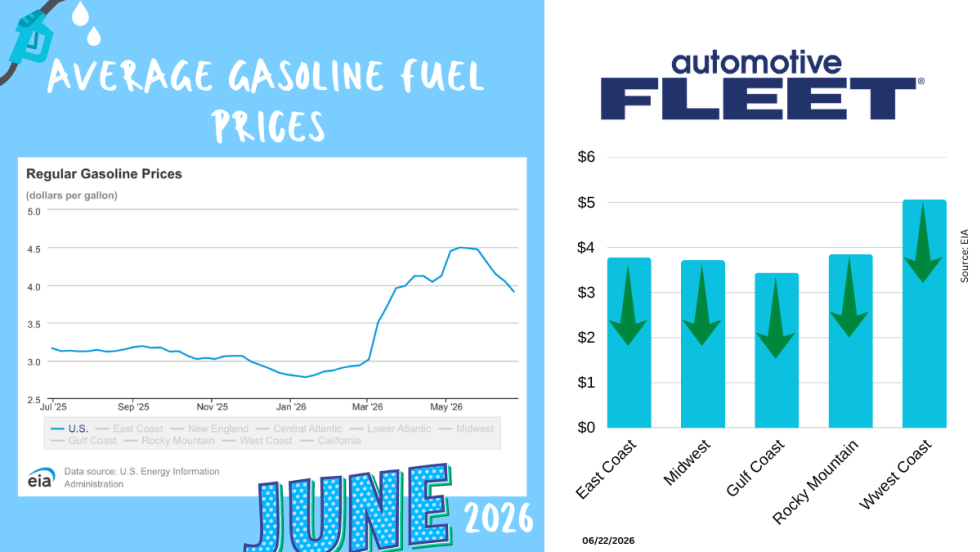
June Fuel Update: Prices Fall Below $4
Drivers are finally getting some relief at the pump. The national average gas price has dropped below $4 a gallon for the first time in months, with prices falling in 47 states as oil markets react to developments in U.S.-Iran negotiations.
Read More →
Study: How 2026's Gas Price Hikes Affect Different Vehicle Types
New data from iSeeCars reveals how rising fuel costs have affected different vehicle segments as gasoline prices climbed nearly 46% over the past four months.
Read More →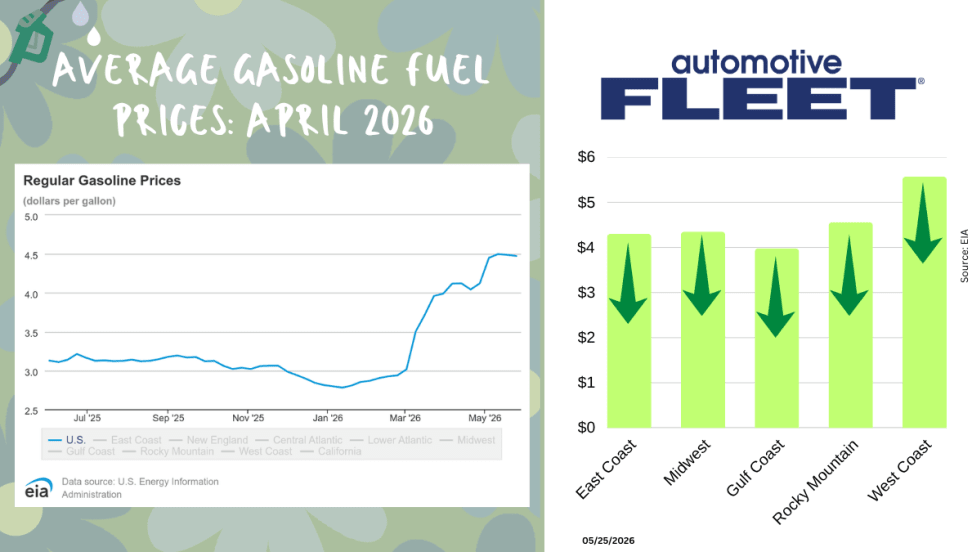
May Fuel Update: All Regions Experience Declines
Gas prices are finally easing in much of the country, but experts warn global tensions could quickly reverse the trend as the national average remains well above last month’s levels.
Read More →