




Breakthrough in Battery Technology by Daimler
STUTTGART, GERMANY – Daimler AG has achieved a crucial breakthrough in battery technology. The Stuttgart-based automaker has succeeded in adapting lithium-ion technology to the demanding requirements of automotive applications.
STUTTGART, GERMANY – Daimler AG has achieved a crucial breakthrough in battery technology. The Stuttgart-based automaker has succeeded in adapting lithium-ion technology to the demanding requirements of automotive applications.
Until now, the technology has been used primarily in consumer electronics. The new battery will be used in the series-production S 400 BlueHYBRID beginning next year.
The engineers’ success resulted of the Daimler-developed integration of the lithium-ion battery into the vehicle’s climate control system. This ensures that the battery works at optimal system temperatures of between 15 and 35°C, which in turn make it possible for the battery to provide long service life and maximum performance.
The main advantages offered by the newly developed lithium-ion battery are its very compact dimensions and its superior performance compared to conventional nickel-metal hydride batteries. The weight/power ratio of the entire battery is 1,900 watts per liter (W/L).
Lithium-ion batteries are ideally suited for use in hybrid vehicles to help reducing fuel consumption and thus also CO2 emissions. At the same time, the Daimler engineers are investigating to what degree this technology can be applied to other vehicle concepts, such as electric and fuel cell-powered cars.
The S 400 BlueHYBRID consumes 7.9 liters of gasoline per 100 km in the NEDC. This results in very low CO2 emissions of only 190 grams per kilometer. The maximum output is 220 kW/299 hp, and the corresponding maximum torque is 375 Nm. The S 400 BlueHYBRID accelerates from zero to 100 km/h in 7.3 seconds on its way to an electronically limited top speed of 250 km/h.
Even more potential is offered by the combination of clean BlueTec diesel technology with a hybrid module, a duo that is featured in the S 300 BlueTec HYBRID.
More Green Fleet

EV Charging Use Is Outpacing Infrastructure Growth
ChargePoint’s 2026 Charging Forward Report points to rising charger use, higher-powered charging, commercial vehicle electrification, and energy-management technology. Here’s what fleets should know.
Read More →
Merchants Fleet Reports 290M EV Miles as Fleets Navigate Changing Electrification Market
From millions in operating savings to hundreds of millions of EV miles, Merchants Fleet’s latest report reveals what’s working and what’s changing in fleet electrification.
Read More →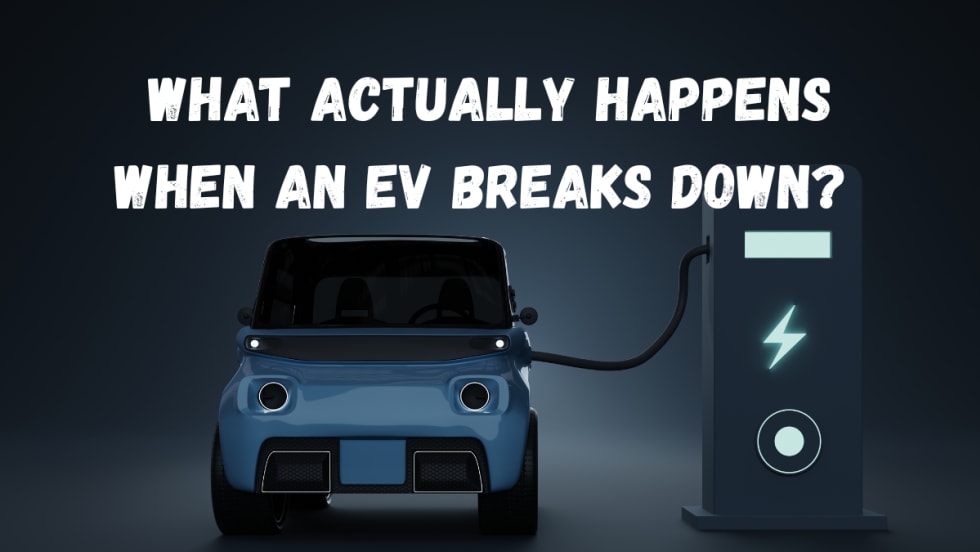
The EV Breakdown Nobody's Talking About: Why Most Electric Vehicle Roadside Calls Aren't Mechanical Failures
Here's why EV breakdowns are widely misunderstood.
Read More →
ChargePoint Now Available in Energy Pass
ChargePoint and additional planned charging network integrations were added to GM's Energy Pass.
Read More →

First Look: Slate Auto's Electric Fleet Pickup
Could an affordable, modular EV pickup make electrification more practical for fleets?
Read More →
Slate Debuts Colorful, Unique EV Models
A recent media and client event, studded with electric vehicles dressed up on platforms, planted a new position for the manufacturer in the wider EV market. Fleets will find cost-saving advantages.
Read More →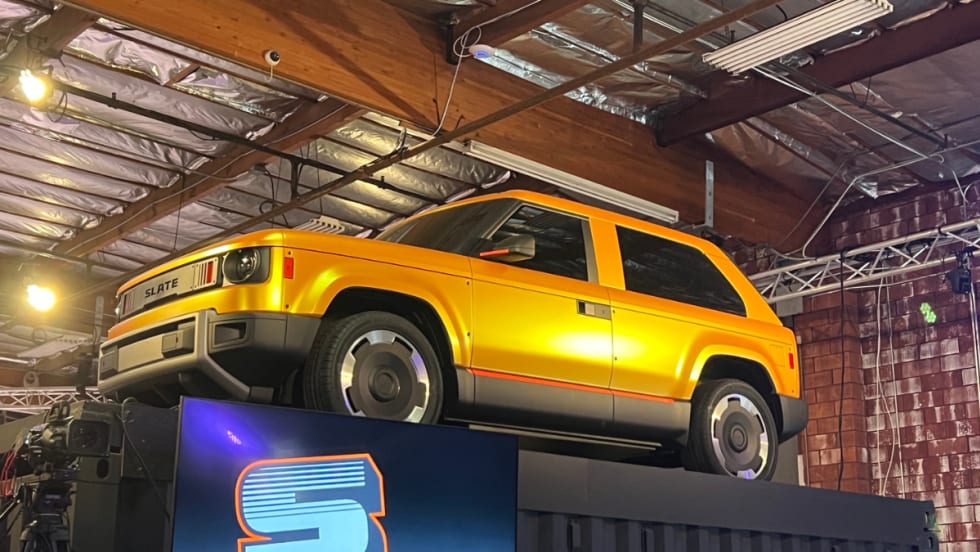
Slate Electric SUV, Pickup Switchable Model Aims For Light-Duty Fleets
Everything about this EV is counterintuitive and understated, making it stand out from the crowd.
Read More →
Inspiration Mobility Acquires Key Electrada Assets
Inspiration Mobility Group has acquired select assets of Electrada, adding the fleet electrification provider's team, technology, and charging infrastructure development capabilities to its energy management business.
Read More →
Turning Connected Vehicle Data Into Decisions That Matter
Fleet leaders have more data than ever, but turning that data into clear, actionable decisions remains a challenge. This white paper shows how leading organizations are using connected vehicle data to improve safety, reduce costs, and optimize fleet performance. Learn how to turn insight into action across your fleet.
Read More →