




BP, Verenium Form Cellulosic Ethanol Venture
CAMBRIDGE, MA --- BP and Verenium Corp. announced the formation of a 50-50 joint venture to develop and commercialize cellulosic ethanol from non-food feedstocks.
CAMBRIDGE, MA --- BP and Verenium Corp. announced the formation of a 50-50 joint venture to develop and commercialize cellulosic ethanol from non-food feedstocks.
The joint venture company will act as the commercial entity for the deployment of cellulosic ethanol technology being developed and proven under the first phase of the BP-Verenium partnership, announced last August.
Together, the companies have agreed to commit $45 million in funding and assets to the joint venture company. This collaboration is intended to progress the development of one of the nation's first commercial-scale cellulosic ethanol facilities, located in Highlands County, FL, and to create future opportunities for leveraging cellulosic ethanol technologies.
"This collaboration represents a critical next step in positioning Verenium and BP at the forefront of commercializing cellulosic biofuels in the United States," said Carlos A. Riva, president and CEO of Verenium. "The creation of this joint venture brings together innovative and experienced developers, designers, engineers, operators and managers capable of realizing the potential of this technology."
"BP and Verenium together have the technological know-how, engineering capability and market expertise required to demonstrate that we can deliver better, more sustainable biofuels, more quickly," added Sue Ellerbusch, president of BP Biofuels North America.
Highlights of the collaboration include:
-- Formation of a joint venture company with a total commitment of $45 million in funding and assets contributed from BP and Verenium, including a total of $22.5 million from BP and development assets from Verenium, including the Highlands County, FL, project and another commercial project site in early stages of development.
-- The joint venture company will be led and supported by a team of employees from both BP and Verenium and will be governed by a board with equal representation from both parent companies.
-- The joint venture company will initially be based in Cambridge, MA.
The joint venture company will initially focus on developing and securing financing for a commercial-scale cellulosic ethanol facility in Highlands County, FL, and expects to break ground on that site in 2010. The estimated construction cost for this 36 million gallon-per-year facility is between $250 and $300 million.
Production from this plant is expected to begin in 2012. With plans to add additional capacity, the joint venture company also intends to develop a second site in the Gulf Coast region.
"We are striving to move as rapidly as possible because the technology is ready and we know the marketplace is waiting," Riva said. "This process will help fulfil America's renewable fuel mandates, build our nation's domestic infrastructure and create the new green jobs we so badly need."
More Green Fleet
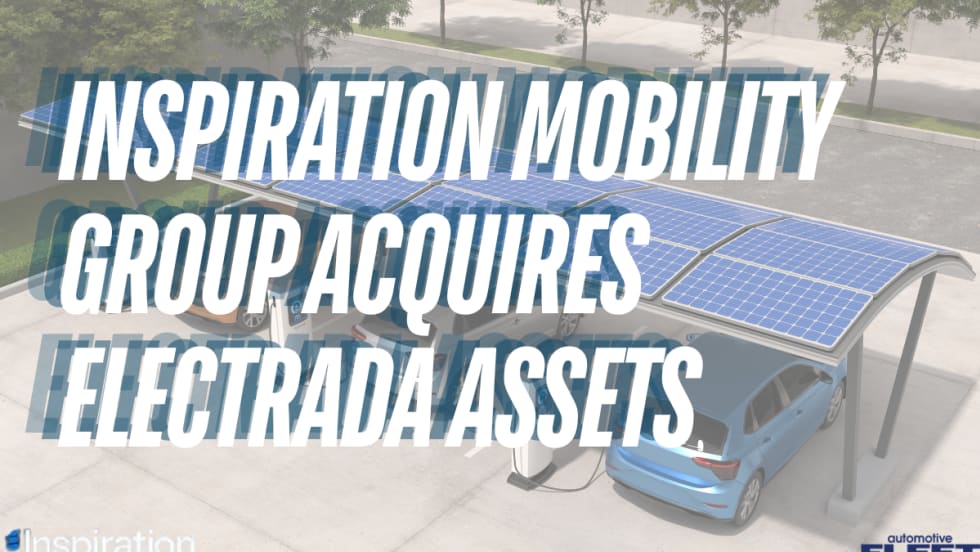
Inspiration Mobility Acquires Key Electrada Assets
Inspiration Mobility Group has acquired select assets of Electrada, adding the fleet electrification provider's team, technology, and charging infrastructure development capabilities to its energy management business.
Read More →
Turning Connected Vehicle Data Into Decisions That Matter
Fleet leaders have more data than ever, but turning that data into clear, actionable decisions remains a challenge. This white paper shows how leading organizations are using connected vehicle data to improve safety, reduce costs, and optimize fleet performance. Learn how to turn insight into action across your fleet.
Read More →
Are You Tracking Your Fleet's True Total Cost of Ownership?
Bobit Business Media surveyed 190 fleet professionals and found that while most fleets are tracking costs, fragmented systems and data gaps are keeping true TCO visibility out of reach. With rising pressure to control spend in an increasingly volatile environment, the gap between what fleets think they know and what the data actually shows is wider than you might expect. See how your peers are managing costs today and where the industry still has room to improve.
Read More →
Hybrids: Electrification Without the Challenges
For fleet managers, fuel is one of the biggest line items in the budget — and it's one hybrids can shrink without changing how your people work. Download the eBook to see the numbers, understand the technology, and get a step-by-step guide to making the switch.
Read More →
Startup ZMD Motors Developing Electric Conversion for Ram 5500 Work Trucks
Detroit-based company says it has begun early development of a system to convert internal combustion Ram 5500 chassis-cab trucks to electric power.
Read More →
U.S. EV Adoption Is Climbing, but Commercial and Passenger Markets Diverge
New industry group data revealed that light-duty electric vehicle sales are hitting record market share and volumes, while commercial EV volume dipped. What’s driving the fluctuations?
Read More →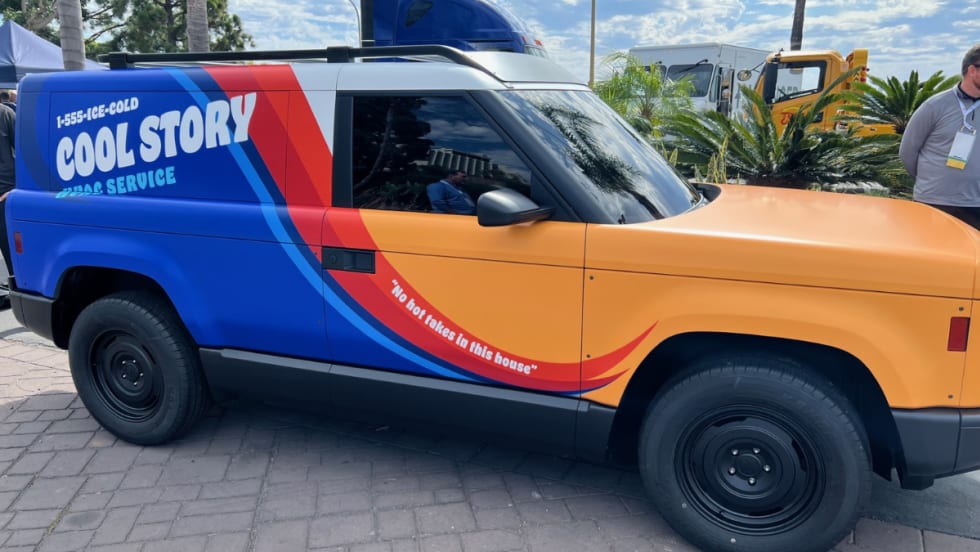
How To Upfit Electric Work Trucks and Vans
The biggest challenge lies in balancing additional equipment and accessories with EV battery capacity and range.
Read More →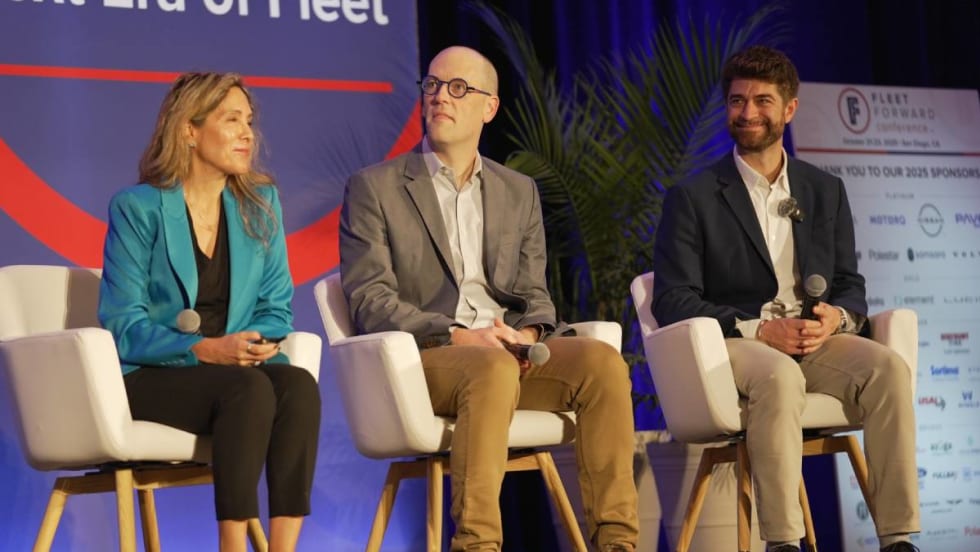
How Fleets Can Adjust Approaches To EV Adoption
With the expiration of federal incentives, EV success now hinges less on government policy and more on discounts, battery tech progress, increased range, and broader infrastructure.
Read More →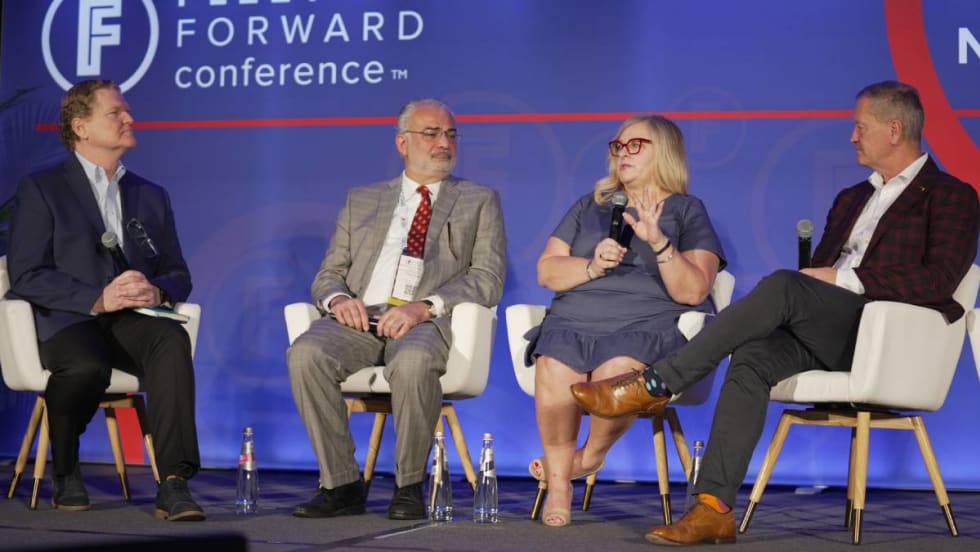
Despite World Troubles, Forward Thinking Guides Fleets
Fleet operators shared their challenges during an annual conference that embraced the latest advances across all aspects of running private- and public-sector vehicles.
Read More →
GM Energy Details Partnerships and Targets for Public Charging Build-Out
EVgo, Pilot, ChargePoint and IONNA named; goal is 35k GM-invested DC stalls by 2030, with customer-experience upgrades at sites.
Read More →