




Booster Adds Seattle to Fuel Delivery Routes
Booster has begun gas routes in Seattle serving new customers such as Advanced Government Services, Century Link, and Monarch.


Booster has secured all the required permits and regulatory licenses to deliver gas and diesel in Seattle and some of the surrounding towns.
[EMPTY CREDIT]
Booster, a same-day fuel delivery service, has begun gas routes in Seattle. The company launches the market with new, local customers including Advanced Government Services, Century Link, and Monarch. Current customers have also expanded Booster service to its Seattle fleets including Traffic Management Inc. and Imperfect Produce.
Seattle is the first market the company has launched since its $56-million series C funding round in June.
“Seattle holds a special place in Booster history. It was after sitting in line at a gas station on Capitol Hill one rainy day that I was inspired to create Booster,” said Frank Mycroft, CEO, Booster. “We’ve delivered over 2 million tanks of gas safely and sustainably. It’s exciting to see how much we’ve accomplished, and we’re just getting started. We believe a gas station that is mobile and comes to consumers and fleets is the future.”
Booster has secured all the required permits and regulatory licenses to deliver gas and diesel in Seattle and the surrounding towns of Lakewood, Snohomish County (unincorporated areas), Auburn, Marysville, Mukilteo, Des Moines, and Everett, Wash. Additional areas are in the process of being added.
Booster will adhere to operational restrictions such as damming off drainage areas, staying a certain distance from buildings, and always laying down mats under every vehicle to catch any fuel drips in Seattle. Now with Seattle and its outlying cities, Booster has procured regulatory clearance to operate in more than 50 cities in five states.
Booster’s modern, mobile approach to fueling significantly reduces road congestion, CO₂ emissions, and protects community land and water from the negative effects of underground storage tanks. In total, the company has prevented the release of 2.2 million pounds of CO₂ – the equivalent of planting 175,000 trees – by eliminating travel associated with going to get gas, everyday gas station spills, and the need for underground gas station storage tanks.
A Booster survey of fleet professionals across the country found that, on average, each fleet fill-up takes an additional 20 minutes, and 60% of drivers add at least two miles to their routes. These costs add up, and that is without any of the additional issues associated with overtime pay or vehicle wear-and-tear that may arise. Booster’s mobile fuel delivery service can save fleets up to $1,500 per vehicle, per year.
Originally posted on Work Truck Online
More Fuel

Turning Fleet Payment Data into Executive Insights
Ramel Lindsay of U.S. Bank Voyager discusses how fleets can transform payment and transaction data into actionable intelligence to reduce costs, improve oversight, and support executive decision-making.
Read More →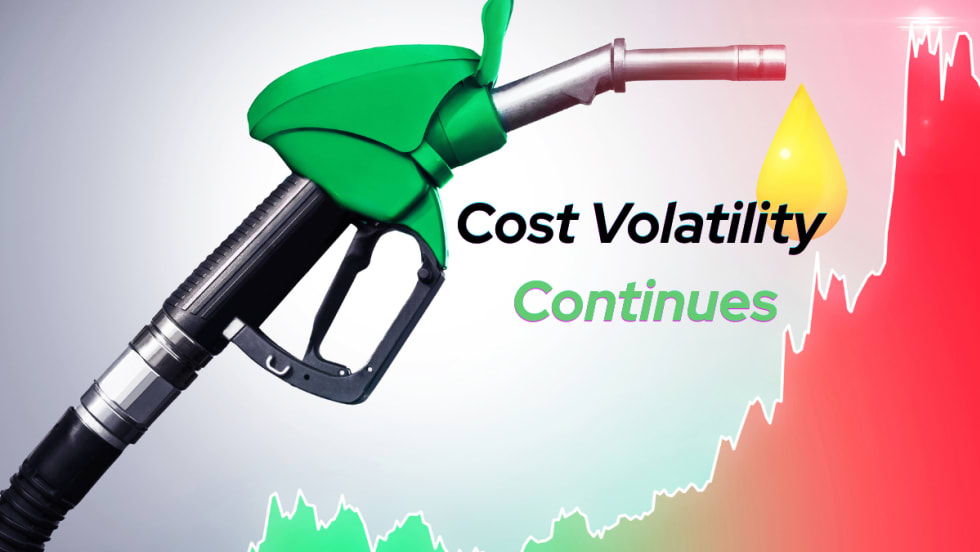
Why the IRS Raised Its Mileage Rate in the Middle of 2026
Fuel-price volatility drove the rare increase to 76 cents per mile, the fifth midyear adjustment since 2000.
Read More →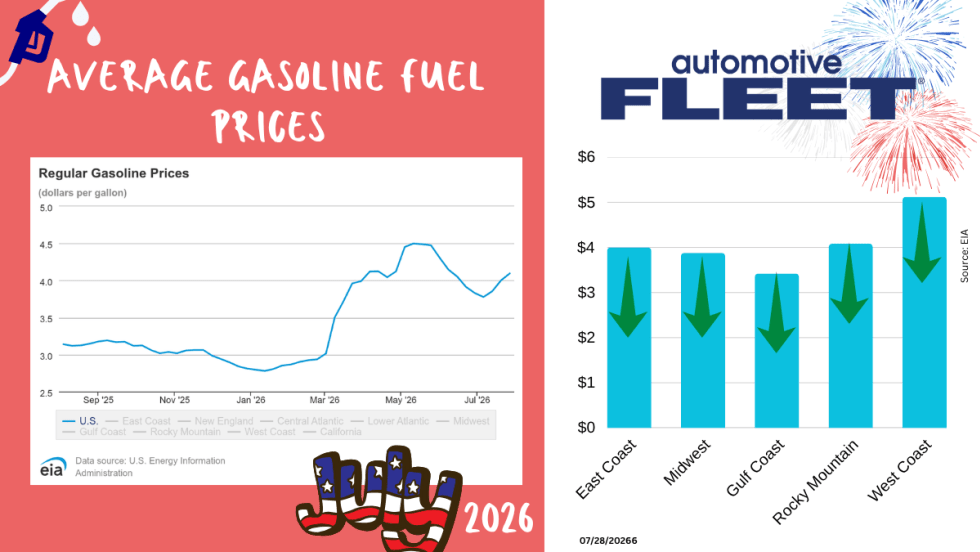
July Fuel Update: Prices Keep Rising in Light of More Conflict
Gas prices continue to rise as more and more conflicts do, too.
Read More →
Bob Adamsky on Fuel Volatility: "Don't Panic, Have a Plan."
When it comes to up and down fuel prices, Adamsky has a message for fleets: “Don’t panic.”
Read More →
How Fleets Can Gain Control of Non-Fuel Spend
Fuel often gets the spotlight, but non-fuel expenses can have a major impact on fleet costs. Ramel Lindsay of U.S. Bank Voyager discusses how fleets can gain better visibility and control over these often-overlooked expenditures.
Read More →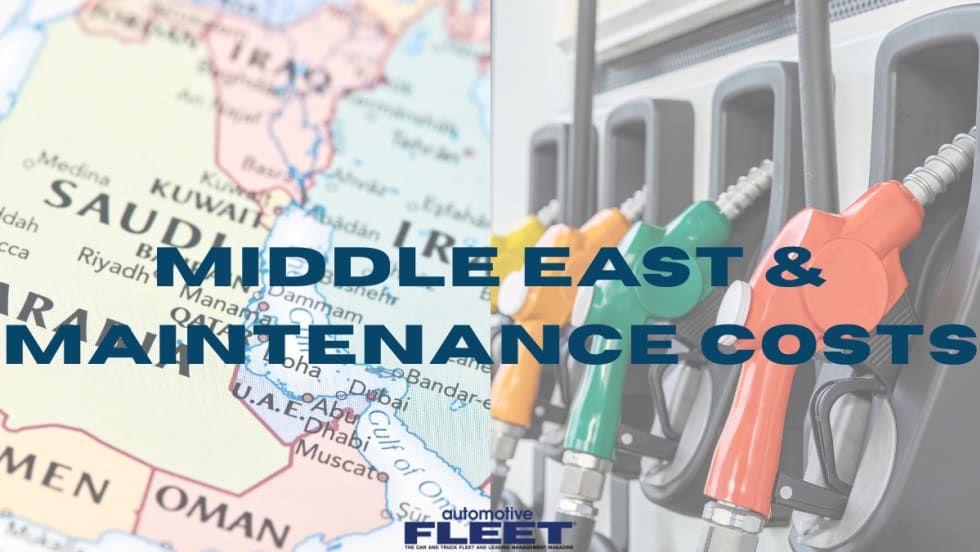
Fuel is Just the Start: How Middle East Tensions are Driving Up Fleet Maintenance Costs
The Middle East conflict is doing more than pushing up fuel prices. It’s also raising the cost of key maintenance products your fleet depends on, from motor oil to tires to windshield wipers. Here’s what you need to know about this budget-busting situation.
Read More →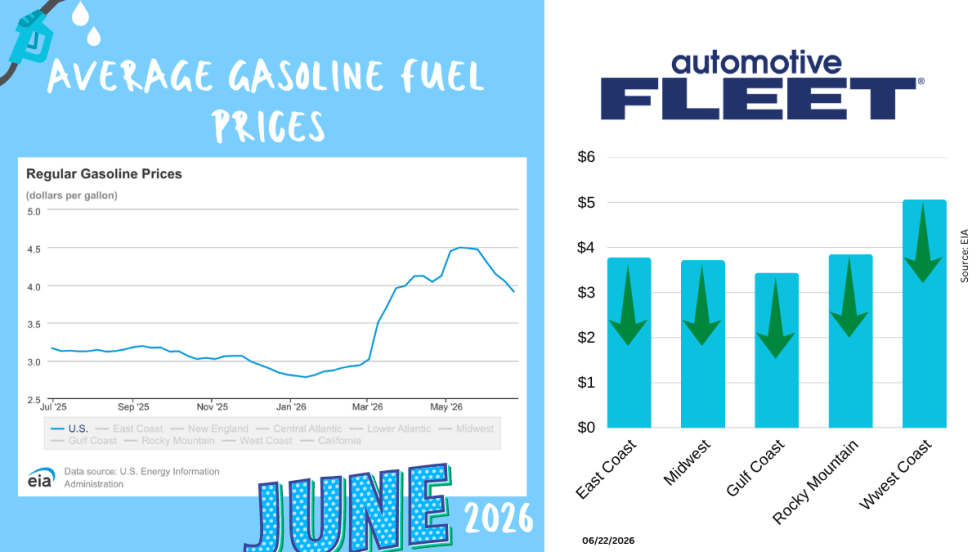
June Fuel Update: Prices Fall Below $4
Drivers are finally getting some relief at the pump. The national average gas price has dropped below $4 a gallon for the first time in months, with prices falling in 47 states as oil markets react to developments in U.S.-Iran negotiations.
Read More →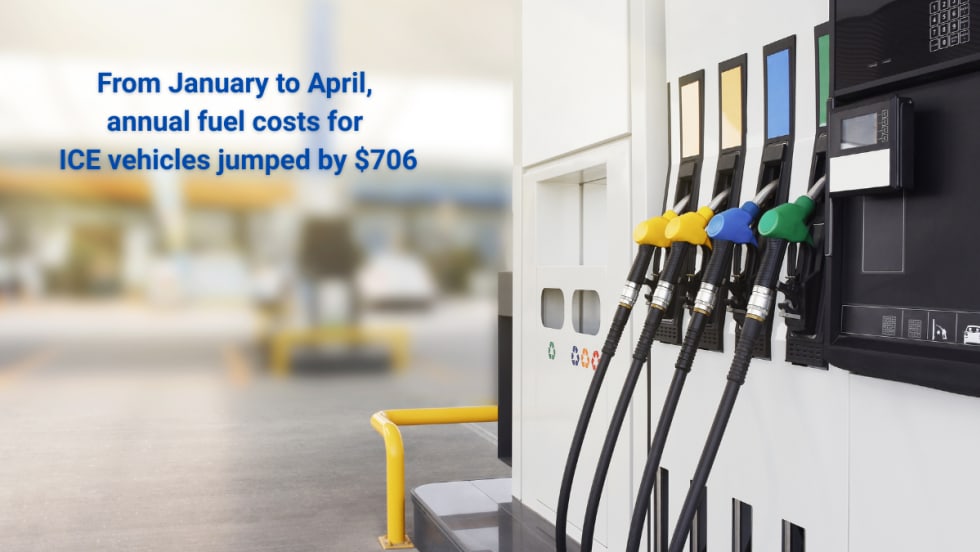
Study: How 2026's Gas Price Hikes Affect Different Vehicle Types
New data from iSeeCars reveals how rising fuel costs have affected different vehicle segments as gasoline prices climbed nearly 46% over the past four months.
Read More →
Are You Tracking Your Fleet's True Total Cost of Ownership?
Bobit Business Media surveyed 190 fleet professionals and found that while most fleets are tracking costs, fragmented systems and data gaps are keeping true TCO visibility out of reach. With rising pressure to control spend in an increasingly volatile environment, the gap between what fleets think they know and what the data actually shows is wider than you might expect. See how your peers are managing costs today and where the industry still has room to improve.
Read More →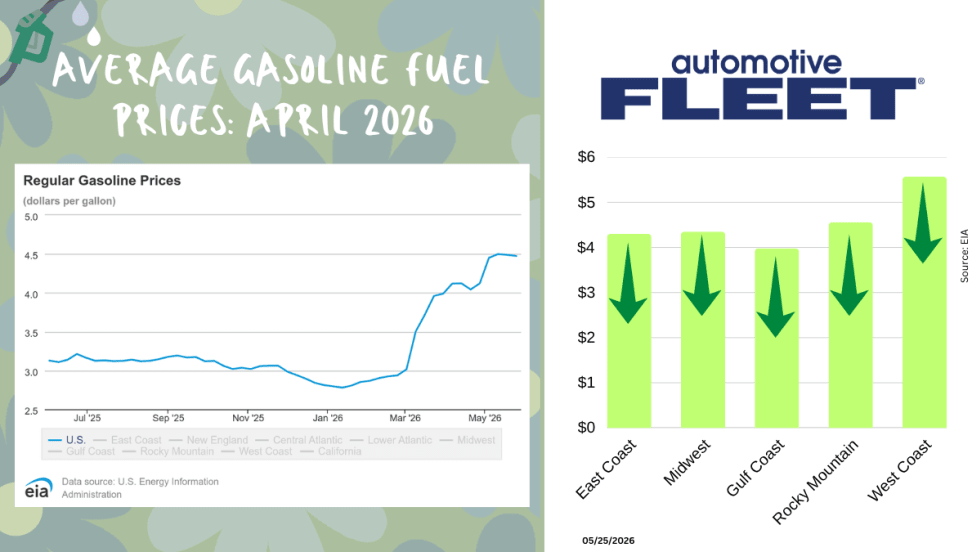
May Fuel Update: All Regions Experience Declines
Gas prices are finally easing in much of the country, but experts warn global tensions could quickly reverse the trend as the national average remains well above last month’s levels.
Read More →